
Modern viticulture is increasingly driven by data. From monitoring soil moisture to predicting harvest dates, vineyard managers are turning to digital tools to optimize operations, reduce risk, and improve grape quality. As climate variability intensifies and labor costs rise, technology has become an essential partner in vineyard success rather than a simple convenience.
TLDR: Vineyard management software helps growers streamline crop planning, irrigation scheduling, and harvest tracking using real-time data and predictive analytics. The best tools combine mapping, weather integration, labor management, and reporting in a single platform. This article explores five leading vineyard software solutions and compares their strengths. A comparison chart and FAQ section are included to help vineyard managers make informed decisions.
Below are five vineyard management software tools that stand out for their capabilities in crop planning, irrigation management, and harvest tracking.
1. Agworld
Agworld is a comprehensive farm management platform widely used in viticulture. It centralizes operational data, allowing vineyard managers to plan, assign, and monitor activities across blocks and varieties.
Key Features:
- Advanced crop planning and task scheduling
- Real-time field data recording via mobile app
- Weather integration and spray records
- Operational cost tracking and reporting
Agworld’s mapping interface enables managers to view vineyard blocks, track treatments, and document input applications seamlessly. Its irrigation coordination tools allow growers to record water usage and align irrigation with crop stage needs.
Harvest tracking is simplified through mobile data entry, ensuring accurate yield records per block. For larger vineyard operations managing multiple properties, Agworld’s centralized dashboard provides strong oversight.
2. Vintrace
Vintrace is tailored specifically for wineries and vineyards looking to connect vineyard operations with winery production. While it is well known for winery management, its vineyard planning capabilities are equally valuable.
Key Features:
- Block-level crop estimation tools
- Harvest scheduling and intake tracking
- Integration between vineyard and winery data
- Compliance and traceability support
Vintrace shines when traceability is a top priority. Vineyard managers can connect grape lots to specific vineyard blocks, improving transparency from vine to bottle.
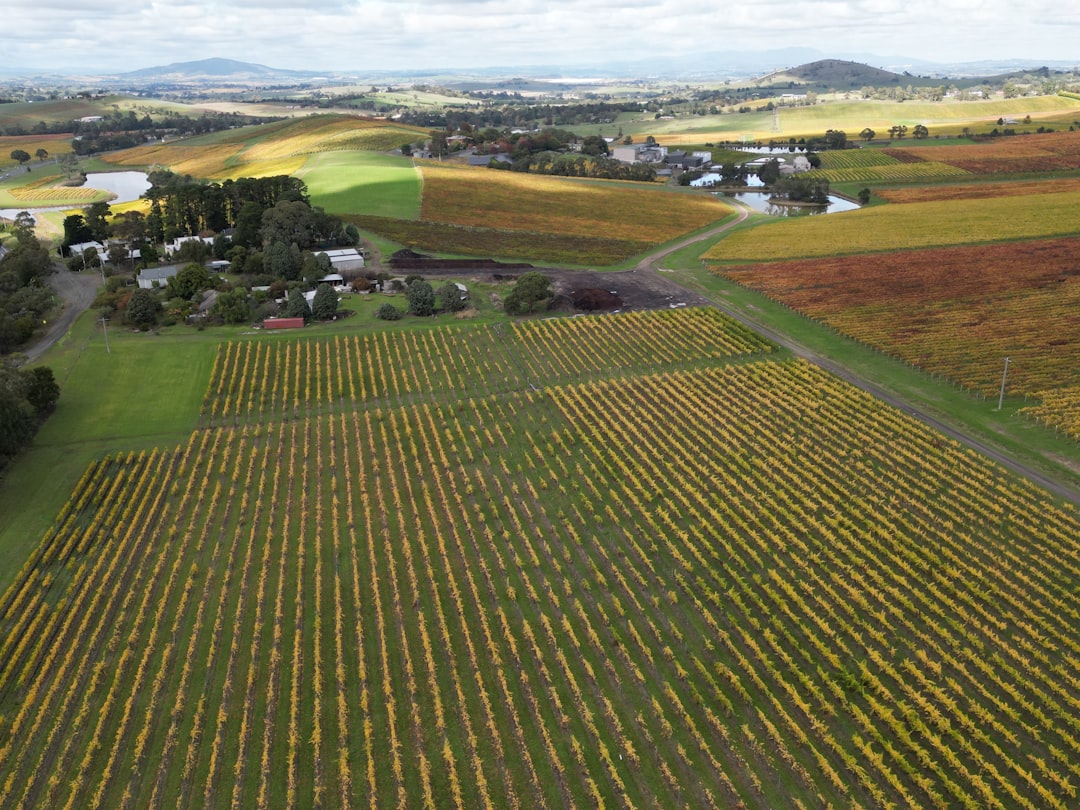
Irrigation tracking is available through integrated field record entries, while harvest management tools allow teams to record pick dates, yield quantities, and quality metrics such as Brix levels. This integration is ideal for estates where vineyard and winery teams collaborate closely.
3. AgCode
AgCode is a farm management and accounting software platform frequently adopted by mid-sized to large agricultural businesses, including vineyards.
Key Features:
- Comprehensive financial and operational tracking
- Field history documentation
- Irrigation and water usage logging
- Labor and equipment cost analysis
What sets AgCode apart is its detailed financial reporting. Vineyard managers can track input costs per block, calculate profit margins per varietal, and analyze irrigation expenses over time.
When it comes to crop planning, AgCode enables long-term production projections by analyzing historical yield trends. Harvest tracking features allow users to record weights, moisture levels, and storage details.
For vineyard owners focused heavily on financial optimization and regulatory compliance, AgCode offers strong accounting integration alongside agronomic planning tools.
4. Tule Technologies
Tule Technologies specializes in irrigation optimization using plant-based sensors and evapotranspiration modeling. Unlike broader farm management platforms, Tule focuses primarily on water management — a critical factor in vineyard performance.
Key Features:
- Plant stress monitoring sensors
- Daily crop water use estimation
- Mobile irrigation recommendations
- Water savings analytics
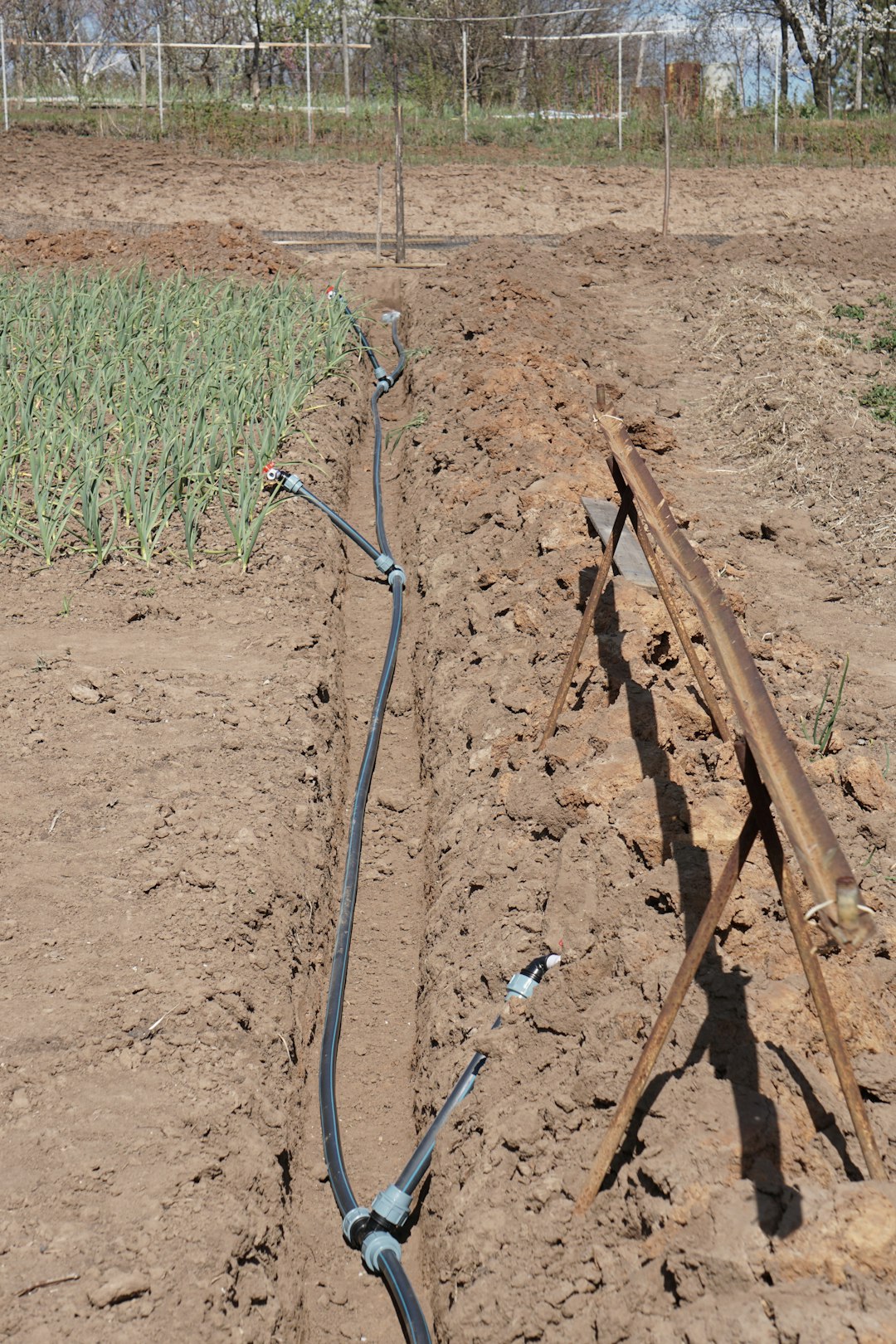
Irrigation decisions in vineyards can significantly influence grape quality, particularly in premium wine production. Tule gathers field data and translates it into actionable irrigation recommendations, reducing guesswork.
Although it does not offer full crop planning or harvest management modules like all-in-one platforms, Tule excels in its niche. Vineyards in drought-prone regions often combine Tule with broader management tools to create a comprehensive tech ecosystem.
5. Croptracker
Croptracker is known for its strong emphasis on traceability, harvest logistics, and food safety compliance. While commonly used in fruit operations, it adapts well to vineyard needs.
Key Features:
- Block-level harvest tracking
- Real-time yield data collection
- Inventory and bin management
- Compliance-ready reporting
Croptracker enables vineyard managers to monitor harvest crews, track bins in real time, and map yield variability across blocks. Its mobile-first design ensures data is captured directly from the field.
Image not found in postmetaThe platform’s irrigation tracking is more record-based than sensor-driven but still provides visibility into applied water and treatment schedules. For vineyards focused on operational visibility during harvest, Croptracker is especially valuable.
Comparison Chart
| Software | Crop Planning | Irrigation Management | Harvest Tracking | Best For |
|---|---|---|---|---|
| Agworld | Advanced block and task planning | Water use logging and weather integration | Mobile yield tracking | Large multi-block vineyards |
| Vintrace | Block estimation tools | Field record irrigation logging | Integrated with winery intake | Estate vineyards with wineries |
| AgCode | Historical production forecasting | Water cost analysis | Yield and financial reporting | Profit-focused operations |
| Tule Technologies | Limited | Sensor-based irrigation optimization | Limited | Drought-sensitive regions |
| Croptracker | Operational scheduling | Application record keeping | Real-time bin and yield tracking | Harvest-intensive vineyards |
Choosing the Right Vineyard Management Software
Selecting the right platform depends on operational priorities. A vineyard focused primarily on water efficiency may favor Tule Technologies. An estate winery seeking full traceability might choose Vintrace. Larger commercial vineyards juggling labor, compliance, and multiple blocks may lean toward Agworld or AgCode.
Important evaluation criteria include:
- Ease of use: Field crews must adopt the system easily.
- Mobile accessibility: Real-time field data input is essential.
- Integration: Compatibility with weather stations, sensors, and accounting software.
- Scalability: Ability to grow with the vineyard’s expansion plans.
- Support and training: Reliable customer service ensures long-term success.
Ultimately, vineyard management software transforms raw data into actionable insights. By aligning irrigation decisions, crop plans, and harvest logistics with data-driven tools, vineyard managers can protect vine health, improve yield consistency, and enhance overall profitability.
Frequently Asked Questions (FAQ)
1. What is vineyard management software?
Vineyard management software is a digital platform designed to help growers plan crops, schedule tasks, monitor irrigation, track harvest yields, and manage compliance and reporting.
2. How does irrigation software improve grape quality?
By using real-time soil and plant data, irrigation tools help maintain optimal vine stress levels. Controlled water management can influence berry size, sugar concentration, and overall wine quality.
3. Is vineyard software suitable for small vineyards?
Yes. Many platforms offer scalable versions suitable for small and mid-sized vineyards. Smaller operations may focus on essential features like record keeping and harvest tracking.
4. Can these tools integrate with weather stations?
Many modern vineyard management systems integrate with local weather data, on-site weather stations, and sensor networks to improve irrigation and spray scheduling decisions.
5. Do these platforms help with regulatory compliance?
Yes. Most vineyard software solutions provide detailed documentation of spray records, water usage, harvest data, and traceability to meet local and international compliance standards.
6. What is the biggest benefit of using vineyard management software?
The primary benefit is improved decision-making. Access to accurate, centralized data allows vineyard managers to reduce waste, optimize yields, and enhance profitability while maintaining consistent grape quality.