
Modern applications are expected to be fast, stable, and always available. Whether it’s a banking platform processing thousands of transactions per second or a SaaS dashboard serving global customers, performance issues quickly translate into lost revenue and damaged reputation. This is where Application Performance Monitoring (APM) tools step in—providing deep visibility into application behavior, infrastructure health, and user experience.
TL;DR: Application Performance Monitoring (APM) tools help teams detect, diagnose, and resolve performance issues before they impact users. Leading platforms like Datadog, New Relic, Dynatrace, AppDynamics, Elastic APM, and Splunk Observability offer real-time insights, distributed tracing, and AI-powered alerting. Choosing the right tool depends on your infrastructure complexity, scalability needs, and budget. The right APM solution dramatically improves reliability, uptime, and customer satisfaction.
Why APM Tools Are Critical for Application Reliability
Today’s applications are rarely monolithic. They’re powered by microservices, containers, cloud platforms, APIs, and third-party integrations. This complexity makes manual monitoring nearly impossible.
APM tools help by providing:
- Real-time performance metrics
- Distributed tracing across services
- Error tracking and diagnostics
- User experience monitoring
- Intelligent alerts and anomaly detection
The result? Faster troubleshooting, fewer outages, and measurable improvements in system resilience.
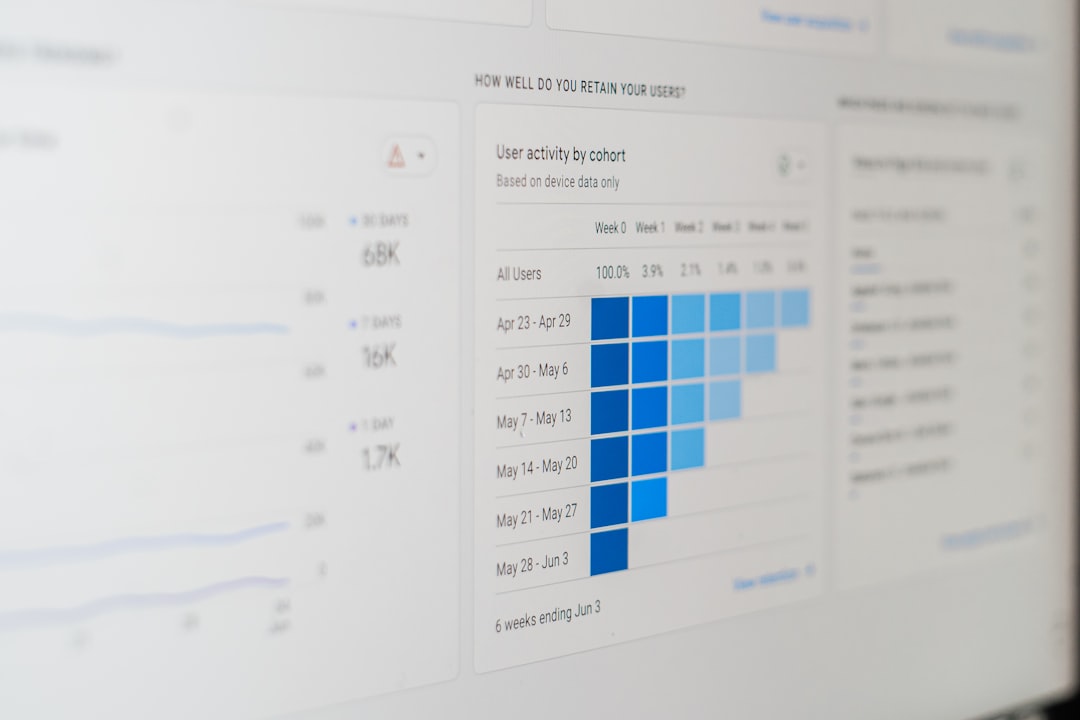
6 Application Performance Monitoring (APM) Tools That Improve Application Reliability
1. Datadog
Best for: Cloud-native and hybrid infrastructures
Datadog has become one of the most popular observability platforms for modern, distributed systems. It offers end-to-end visibility across infrastructure, logs, traces, and user sessions.
Key reliability benefits:
- Automatic service discovery in containerized environments
- AI-driven anomaly detection
- Seamless integration with AWS, Azure, Kubernetes, and 600+ tools
- Unified dashboards combining metrics, traces, and logs
Its real-time monitoring allows DevOps teams to detect performance degradation before it becomes a full outage. Datadog excels in dynamic cloud environments where services scale constantly.
2. New Relic
Best for: Full-stack observability with developer-friendly insights
New Relic provides deep application visibility with powerful analytics capabilities. It offers unified telemetry data across the full stack.
Key reliability benefits:
- Distributed tracing across microservices
- Real User Monitoring (RUM)
- Detailed transaction-level diagnostics
- Customizable alerts and dashboards
New Relic’s strength lies in its usability. Developers can quickly drill into slow database queries, memory leaks, or misconfigured services—dramatically reducing Mean Time to Resolution (MTTR).
3. Dynatrace
Best for: Enterprise-grade automation and AI-powered root cause analysis
Dynatrace differentiates itself with its AI engine, Davis, which automatically identifies performance anomalies and determines their root cause.
Key reliability benefits:
- Automatic dependency mapping
- Smart baselining with AI-driven alerts
- Full-stack monitoring from infrastructure to user experience
- Strong Kubernetes and cloud-native visibility
For large enterprises handling complex digital ecosystems, Dynatrace minimizes alert noise and focuses only on issues that truly impact system reliability.
4. AppDynamics
Best for: Business-centric performance monitoring
Owned by Cisco, AppDynamics connects application performance directly to business outcomes. It not only monitors code performance but also maps technical metrics to revenue impact.
Key reliability benefits:
- Business transaction monitoring
- Code-level diagnostics
- Performance baselining
- End-user experience tracking
This makes AppDynamics particularly valuable for industries where downtime equals financial loss—like e-commerce, finance, and healthcare.
5. Elastic APM
Best for: Open-source flexibility and custom deployments
Elastic APM integrates with the Elastic Stack (Elasticsearch, Logstash, Kibana). It provides detailed application performance data with powerful search capabilities.
Key reliability benefits:
- Open-source and highly customizable
- Strong log and metrics correlation
- Lightweight agents
- Flexible deployment options
Organizations that prefer open architectures and full control over their monitoring stack often gravitate toward Elastic APM.
6. Splunk Observability Cloud
Best for: Advanced analytics and large-scale data environments
Splunk Observability Cloud combines APM, infrastructure monitoring, and log analysis into a unified package.
Key reliability benefits:
- High-speed metrics processing
- Strong distributed tracing capabilities
- AI-assisted troubleshooting workflows
- Enterprise-grade scalability
Splunk shines when dealing with massive data ingestion and complex event correlations across distributed systems.

APM Tools Comparison Chart
| Tool | Best For | AI Capabilities | Cloud Native Support | Open Source Option |
|---|---|---|---|---|
| Datadog | Cloud-native environments | Yes | Excellent | No |
| New Relic | Developer-centric monitoring | Yes | Strong | No |
| Dynatrace | Enterprise automation | Advanced AI engine | Excellent | No |
| AppDynamics | Business transaction monitoring | Moderate | Strong | No |
| Elastic APM | Custom open deployments | Limited | Good | Yes |
| Splunk Observability | Data-heavy enterprises | Yes | Strong | No |
How to Choose the Right APM Tool
Selecting the best APM platform isn’t about picking the most popular name—it’s about aligning with your technical and business needs.
Consider the following factors:
- Infrastructure complexity: Are you running microservices, serverless functions, or legacy systems?
- Scalability requirements: Will your traffic double in the next year?
- Budget constraints: Enterprise tools can be costly at scale.
- Ease of integration: Does it work seamlessly with your cloud provider?
- AI and automation: Can it reduce alert fatigue?
For startups, flexibility and affordability may matter most. For enterprises, automation, governance, and advanced analytics might be critical.
The Real Impact on Application Reliability
Reliability isn’t just about uptime—it’s about consistent, predictable performance under every condition. APM tools improve reliability by:
- Reducing downtime through proactive alerts
- Identifying bottlenecks before they escalate
- Helping teams optimize slow database queries
- Pinpointing failing third-party services
- Improving collaboration across DevOps and engineering teams
In high-availability environments, even a few minutes of performance degradation can lead to thousands of frustrated users. APM tools serve as an early-warning system, ensuring teams stay ahead of potential failures.
Final Thoughts
As applications become more distributed and user expectations rise, monitoring is no longer optional—it’s mission-critical. The right APM tool transforms reactive troubleshooting into proactive optimization.
Whether you choose Datadog for its cloud-native strength, Dynatrace for AI automation, Elastic APM for open-source flexibility, or any of the other powerful platforms discussed here, the ultimate goal remains the same: delivering seamless, reliable digital experiences.
In a world where milliseconds matter and downtime is unacceptable, investing in a robust APM solution may be one of the most impactful decisions your engineering team can make.