
In the fast-paced and competitive world of construction, precision, efficiency, and scalability are more than just buzzwords—they’re essential to survival. Estimating is one of the most critical steps in any construction project. Traditionally manual and tedious, this process has seen a transformation in recent years with the advent of digital technologies. Among them, Onscreen Takeoff software and Artificial Intelligence (AI) are leading a new era of construction estimating—streamlining workflows, reducing errors, and improving profitability.
TLDR:
Construction estimating is undergoing a major shift from traditional, manual techniques to more digital and intelligent methods. With tools like Onscreen Takeoff and AI, estimators can now work more quickly, accurately, and collaboratively across teams. These advancements reduce costs, minimize human error, and help contractors stay competitive. As AI continues to evolve, its impact on construction estimating will only grow more significant.
Understanding the Basics: What is Onscreen Takeoff?
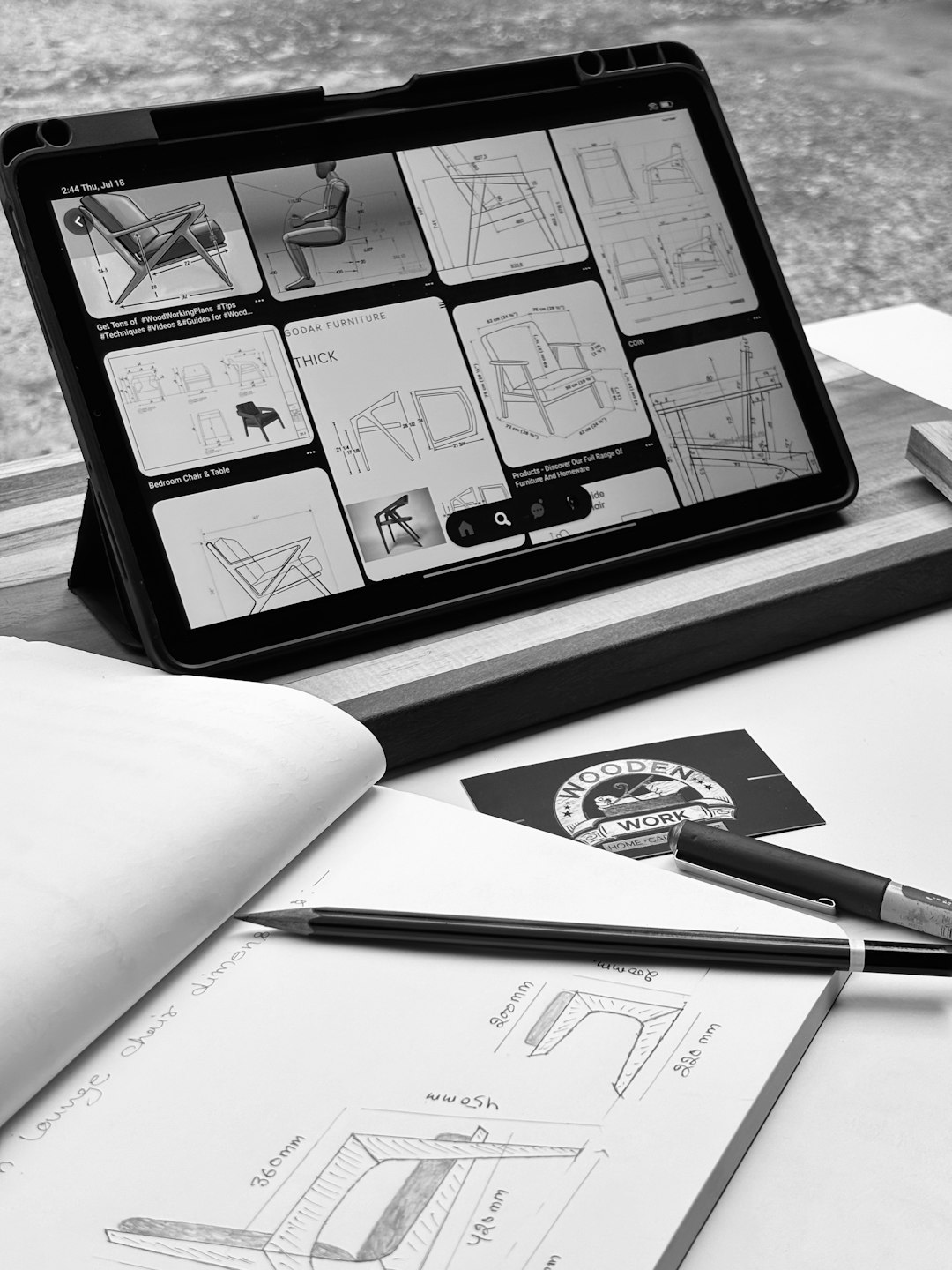
Onscreen Takeoff (OST) is a digital tool that allows estimators to perform quantity takeoffs directly from digital blueprint files like PDFs or CAD drawings. Instead of printing out large-scale architectural plans, marking with highlighters, measuring manually, and entering figures into spreadsheets, estimators use OST software to:
- Zoom in on drawings with precision
- Measure areas, lengths, and counts by clicking directly on the digital plan
- Layer multiple scopes of work on a single document
- Automatically calculate quantities instantly
This transition to digital not only brings higher speed and accuracy to the estimating process but also enables better collaboration and version control. Everyone involved in a project can work from the same set of up-to-date documents.
The Role of AI in Construction Estimating
Artificial Intelligence (AI) is changing nearly every industry, and construction estimating is no exception. When paired with OST tools, AI algorithms can analyze plan sets, interpret architectural symbols, and even predict material cost fluctuations based on historical data. Here’s how AI is specifically enhancing construction estimating:
- Automated Object Recognition: AI models trained on thousands of plan sets can quickly identify doors, windows, electrical symbols, and plumbing fixtures—à la facial recognition, but for blueprints.
- Error Reduction: AI flags inconsistencies across plan versions or missing items that may be overlooked during manual review.
- Material Forecasting: By analyzing projects from the past, AI forecasts material needs and potential overruns more accurately.
- Natural Language Processing: AI can read project specifications and construction notes to pull relevant numbers, dates, and quantities.
This augmentation not only makes estimators faster but dramatically improves bid accuracy, reducing costly surprises later in the project lifecycle.
How Onscreen Takeoff and AI Work Together
Instead of seeing OST and AI as separate tools, industry leaders are integrating them as complementary technologies. The digital takeoff platform becomes exponentially more powerful when infused with machine learning capabilities. Here are a few examples of how this integration is reshaping workflows:
- Smart Takeoffs: Estimators can select one type of item—say, ceiling tiles—and AI will scan the entire set of documents, finding and quantifying every occurrence automatically.
- Real-Time Updates: When an architect uploads a revised plan, AI identifies the changes and adjusts takeoff quantities accordingly without the need for full manual recalculation.
- Predictive Costing: Machine learning models predict total project costs based on similar historical projects tied into your OST platform.
This is more than a new way of working—it represents a paradigm shift from reactive estimating to proactive project intelligence.
The Benefits of This Transformation
For construction firms, integrating AI and OST isn’t just about convenience; it’s a tactical business decision that impacts the bottom line. Here are some of the most significant benefits:
- Reduced Time to Bid: Projects that used to take weeks to estimate can often be quoted in hours or days.
- Increased Accuracy: Fewer mistakes mean a stronger chance of profitability and better trust with clients.
- Improved Team Collaboration: Multiple users can simultaneously review, annotate, and revise takeoffs from any location.
- Centralized Data: All project plans, takeoffs, notes, and cost calculations can be stored in the cloud for access anytime, anywhere.
- Standardization: AI-powered templates create repeatable estimating workflows that can be used across departments and offices.
Challenges and Considerations
While the benefits are compelling, there are also some challenges and considerations to keep in mind:
- Training: Construction firms must invest in training staff to understand not only how to use OST but how to interpret AI-generated insights correctly.
- Integration: Ensuring that OST and AI tools integrate smoothly with other company systems like ERP, accounting, and project management software is essential.
- Initial Costs: Upfront investment in software and infrastructure can be significant, though ROI is often realized within months.
- Change Management: Resistance from traditional estimators to adopt new technology requires careful rollout and strong leadership.
When approached strategically, navigating these challenges can unlock long-term competitive advantages for early adopters.
The Future of Estimating: Smarter, Faster, and More Scalable
Looking ahead, the future of construction estimating is bright, efficient, and increasingly intelligent. AI is likely to take on even greater roles such as interpreting complex engineering diagrams, running full project simulations, and even interacting with RFIs and contractors using natural language interfaces.
Moreover, as digitization becomes more widespread industry-wide, clients and architects may expect faster and more accurate bids as the new norm, pushing every construction firm to innovate. Firms that integrate OST and AI today position themselves for tomorrow’s demands, building a technology foundation that grows with them.
In many ways, embracing these tools is less of a “nice-to-have” and more of a “need-to-adopt” in an increasingly competitive construction landscape.
Conclusion
The transformation of construction estimating through Onscreen Takeoff and AI is not just a technological trend—it’s a strategic necessity. These tools empower estimators to work smarter, faster, and with greater accuracy than ever before. Companies that embrace this shift will improve efficiency, reduce risk, and position themselves at the forefront of an industry on the brink of a digital renaissance.
FAQ: Transforming Construction Estimating with Onscreen Takeoff and AI
- Q: What is Onscreen Takeoff?
A: Onscreen Takeoff is a software tool that allows estimators to perform digital measurements and quantity takeoffs directly from construction plans on a screen, improving speed and accuracy. - Q: How does AI improve construction estimating?
A: AI automates repetitive tasks, identifies objects and symbols in drawings, flags plan inconsistencies, and provides forecasting based on historical data to enhance the quality and accuracy of estimates. - Q: Are these technologies difficult to implement?
A: Adoption requires training and thoughtful integration with existing processes, but many software providers offer support and onboarding tools to ease the transition. - Q: Can AI and OST help small contractors as well?
A: Absolutely. Cloud-based and subscription models make these tools accessible even to smaller firms, offering scalability as they grow. - Q: Will AI replace human estimators?
A: No. AI is a support tool, helping estimators make better decisions faster. Human judgment remains essential, especially in interpreting drawings, handling custom scopes, and client communication.