
Online logo maker tools have matured significantly in recent years, moving beyond basic clip‑art generators into platforms capable of producing high‑resolution, brand‑ready logos. For startups, freelancers, and even established businesses, these tools now represent a practical alternative to lengthy design cycles and high agency fees. The key difference today is not convenience alone, but the availability of professional file formats suitable for digital, print, and large‑scale use.
TLDR: Modern online logo makers can deliver high‑resolution logos suitable for professional branding when chosen carefully. The best tools offer vector files, scalable exports, and clear licensing terms. While they do not replace bespoke design for complex brand identities, they are reliable, cost‑effective solutions for many organizations. Understanding resolution, formats, and customization options is essential before choosing a platform.
Understanding High‑Resolution Logo Requirements
Before evaluating tools, it is important to clarify what high‑resolution actually means in the context of logo design. Resolution is not only about image size, but about scalability, clarity, and consistency across different media.
Professional logos typically require:
- Vector formats such as SVG, EPS, or PDF, which can scale infinitely without loss of quality
- High‑resolution raster files like PNG or JPG at 300 DPI for print applications
- Transparency support for flexible placement on different backgrounds
Low‑resolution logos may appear acceptable on websites or social media but will degrade when used on signage, packaging, or promotional materials. Any online logo maker claiming professional output must address these requirements explicitly.
How Online Logo Maker Tools Achieve Professional Quality
Reputable online logo makers leverage a combination of design systems, typography libraries, and guided customization workflows. Rather than generating random graphics, these platforms use consistent spacing rules, font pairing logic, and layout constraints that reduce common design errors.
Many tools now incorporate AI‑assisted design suggestions. While this does not replace a human designer’s creative reasoning, it helps users avoid unbalanced compositions or unsuitable font choices. Importantly, high‑resolution output depends more on export options than on how the logo was created.
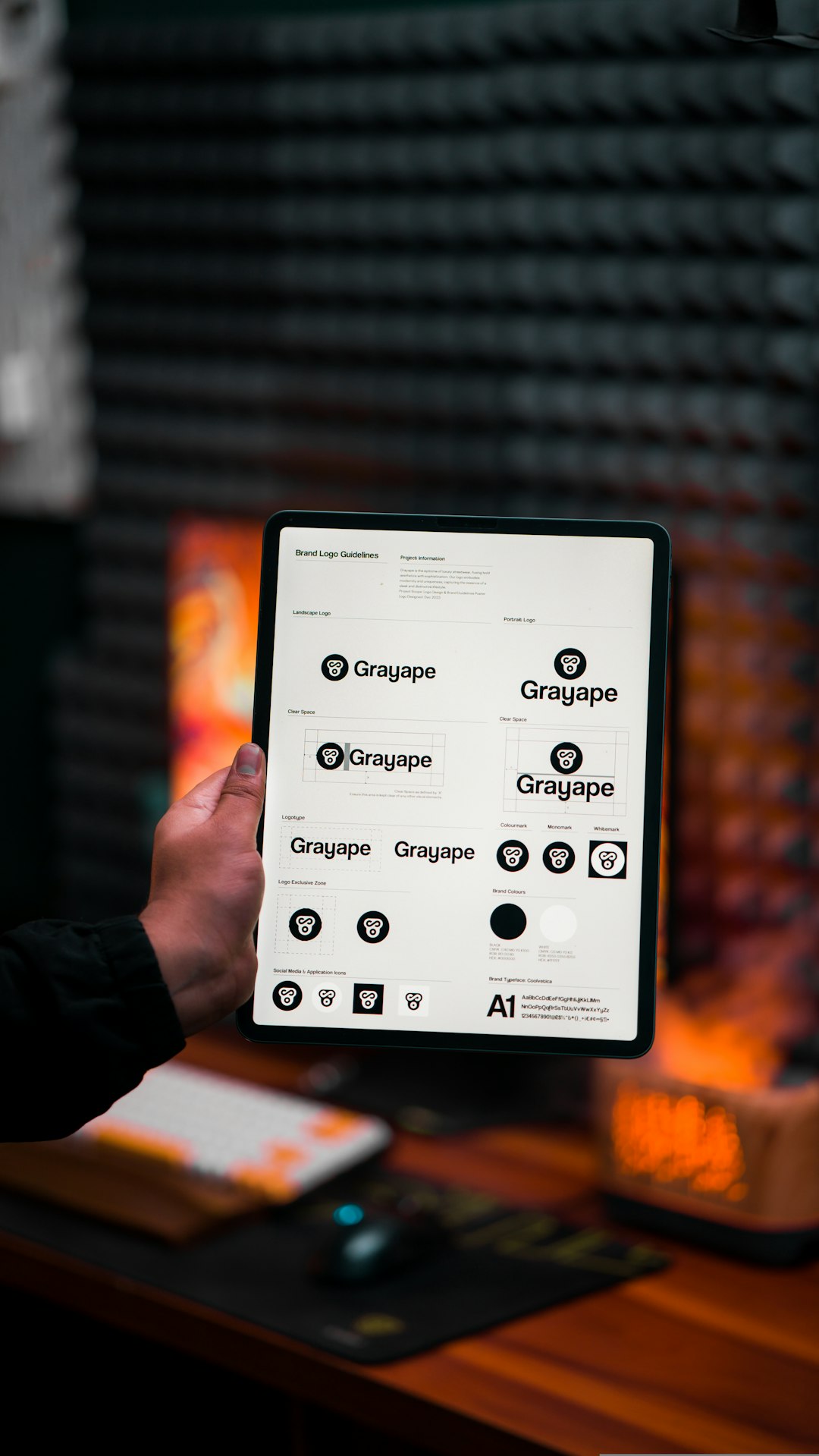
Key Features to Look for in High‑Resolution Logo Makers
Not all logo maker tools are equal. When evaluating options, several features strongly indicate whether a platform can deliver long‑term value.
- Vector file downloads: The ability to export SVG or EPS files is essential for scalability.
- Multiple color versions: Including full color, monochrome, and inverted variants.
- Font licensing transparency: Clear information about commercial usage rights.
- Brand kits: Saved color codes, typography, and logo variations for consistent use.
Platforms that restrict users to low‑resolution PNG files or charge separately for basic formats often fall short of professional expectations.
Popular Online Logo Makers Offering High‑Resolution Downloads
Several established platforms have built a strong reputation by offering reliable high‑resolution outputs and clear licensing structures.
Looka is known for combining AI‑driven logo generation with extensive export options, including SVG and EPS. It also provides brand kits, making it suitable for businesses planning consistent branding across channels.
Tailor Brands focuses on simplicity and speed while still offering scalable formats. Its strength lies in guided creation and brand asset management, though some advanced exports require premium plans.
Wix Logo Maker integrates well with web development workflows and provides high‑resolution downloads suitable for both print and digital applications.
These platforms differ in pricing models, but all recognize that professional use demands more than a single low‑quality image file.
Resolution, DPI, and File Formats Explained
One common source of confusion is the relationship between resolution and file type. Raster images such as JPG or PNG rely on pixel dimensions and DPI (dots per inch). For print materials, 300 DPI at the intended print size is generally required.
Vector files, by contrast, do not rely on DPI in the same way. They use mathematical paths to define shapes, making them ideal for logos. A single vector file can be used for a website favicon, a business card, or a billboard without any quality degradation.
When using an online logo maker, the presence of vector downloads is a stronger indicator of quality than the advertised pixel dimensions of raster files.

Licensing and Ownership Considerations
High‑resolution files are only valuable if you are legally allowed to use them. Trustworthy logo maker tools provide clear licensing terms that specify commercial usage rights.
Important licensing points to review include:
- Exclusive vs non‑exclusive designs: Whether others can generate similar logos
- Rights to modify the logo after download
- Usage across industries and regions
Most online tools do not offer full design exclusivity, but they typically grant broad commercial usage rights. For many small and medium businesses, this is sufficient, provided the terms are clearly documented.
Customization Depth and Its Impact on Quality
The level of customization available directly affects how distinct and adaptable a logo can be. Basic tools allow color and icon selection, while more advanced platforms support precise spacing adjustments, font substitutions, and layout refinements.
Greater customization does not automatically mean better design, but it enables thoughtful refinement. For businesses intending to scale, this flexibility becomes important when adapting logos for new products, formats, or rebrands.
Limitations of Online Logo Makers
Despite their advantages, online logo makers do have limitations. They are optimized for efficiency rather than deep brand strategy. As a result, they may struggle to express complex brand narratives or differentiate strongly in saturated markets.
Additionally, template‑based systems can lead to design similarities across brands, especially within the same industry. While high‑resolution output ensures technical quality, conceptual uniqueness may still be limited.
Organizations with extensive branding needs or highly specialized markets may eventually require custom design services.
When Online Logo Makers Are the Right Choice
Online logo maker tools with high‑resolution downloads are particularly well suited for:
- Startups and early‑stage businesses needing rapid brand deployment
- Freelancers and consultants establishing professional credibility
- Small organizations with limited design budgets
In these contexts, the balance of cost, speed, and quality is often more valuable than complete design exclusivity.
Conclusion
Online logo maker tools have become legitimate resources for producing high‑resolution, commercially usable logos. Their value lies not just in ease of use, but in the availability of scalable formats, transparent licensing, and consistent quality control. When selected thoughtfully, these platforms can support professional branding across both digital and print environments.
While they do not replace the depth of custom design for every situation, they offer a reliable and efficient solution for many modern businesses. Understanding resolution standards, file formats, and usage rights ensures that the logos created through these tools remain assets rather than limitations.