
Choosing the right excavation method is a critical decision for construction firms, utility companies, and municipalities. The excavation approach directly affects project timelines, worker safety, environmental impact, and overall costs. Two primary methods dominate the industry: hydroexcavation and traditional mechanical excavation. Each offers distinct advantages and limitations depending on the project scope, soil conditions, and surrounding infrastructure.
TLDR: Hydroexcavation uses pressurized water and vacuum systems to safely remove soil with minimal damage, while traditional excavation relies on heavy machinery such as backhoes and trenchers. Hydroexcavation generally offers greater precision and improved safety, particularly around utilities, but may have higher upfront costs. Traditional excavation is often faster and more cost-effective for large, open areas. The best choice depends on site conditions, risk tolerance, and long-term financial considerations.
Understanding Hydroexcavation
Hydroexcavation is a non-destructive digging method that combines high-pressure water with an air vacuum system. The water breaks up soil, creating a slurry that is immediately removed by powerful suction into a debris tank. This approach allows crews to expose underground utilities, install poles, or excavate trenches with remarkable precision.
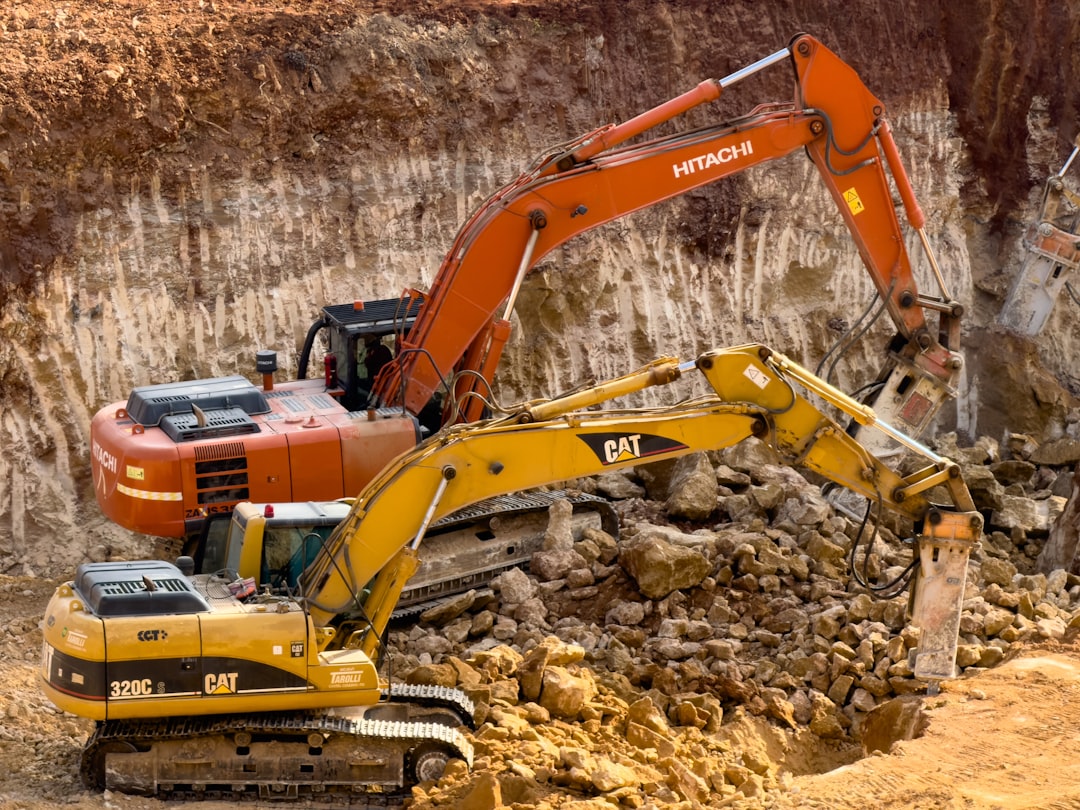
Hydroexcavation is often described as “daylighting” when used to safely expose existing buried infrastructure such as gas lines, water mains, or fiber optic cables. Because it minimizes mechanical contact with subsurface assets, the method significantly reduces the risk of accidental damage.
Key characteristics of hydroexcavation include:
- Precise soil removal
- Minimal ground disturbance
- Reduced risk of underground utility damage
- Improved worker safety in confined or sensitive areas
Understanding Traditional Excavation
Traditional excavation relies on heavy mechanical equipment such as excavators, trenchers, bulldozers, and backhoes. These machines use metal buckets or blades to dig and remove large volumes of soil quickly.
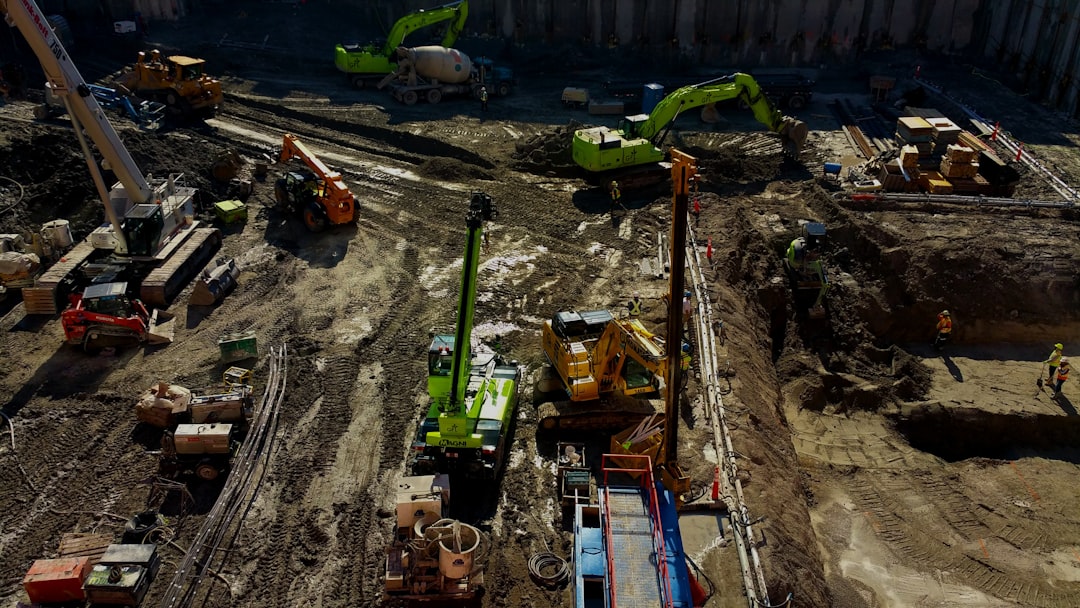
This method has been the backbone of construction projects for decades. It is especially effective for large-scale earthmoving, foundation digging, road construction, and other tasks that involve removing substantial quantities of soil.
Typical advantages of traditional excavation include:
- High-speed soil removal
- Lower immediate operational costs
- Availability of equipment and skilled operators
- Efficiency in open, unobstructed sites
Cost Comparisons
Cost evaluation is rarely straightforward. Both short-term and long-term considerations must be weighed carefully.
Initial Equipment and Operational Costs
Hydroexcavation equipment typically involves specialized trucks equipped with water tanks, heating systems (for frozen ground), and vacuum components. These systems can be more expensive to purchase or rent compared to standard excavation equipment. Daily rental rates for hydroexcavation units are often higher than for backhoes or mini-excavators.
However, traditional equipment may require multiple machines and operators on site, especially for complex or congested areas. Fuel consumption and maintenance costs can also accumulate quickly.
Repair and Liability Costs
Where hydroexcavation frequently demonstrates clear financial benefits is in damage prevention. Striking a buried gas line, electrical conduit, or fiber optic cable during mechanical digging can result in:
- Costly repairs
- Project delays
- Regulatory fines
- Increased insurance premiums
- Potential legal liabilities
Industry data consistently shows that utility strikes contribute significantly to project overruns. Because hydroexcavation dramatically lowers the likelihood of such incidents, companies often realize cost savings over time despite the higher upfront expense.
Restoration and Backfill Costs
Hydroexcavation creates smaller, more controlled excavation zones. This precision reduces the amount of backfill material required and lowers site restoration expenses. Traditional methods often disturb wider areas, increasing both material and labor costs during site rehabilitation.
Cost Conclusion: For large, straightforward excavation jobs, traditional methods may be more economical. For projects involving sensitive underground infrastructure or tight urban corridors, hydroexcavation often proves more cost-effective in the long run.
Safety Comparisons
Safety is perhaps the most compelling differentiator between hydroexcavation and traditional methods.
Worker Safety
Traditional excavation involves heavy machinery operating in close proximity to workers. Risks include:
- Cave-ins and trench collapses
- Equipment-related injuries
- Struck-by accidents
- Contact with live utilities
Hydroexcavation reduces many of these hazards. The pressurized water cuts soil without sharp metal edges, lowering the risk of catastrophic utility strikes. Operators can often control equipment from safer distances, minimizing direct exposure to excavation zones.
Utility Protection
Utility strikes pose serious dangers, including gas leaks, electrical arc flashes, and water main ruptures. Mechanical excavation methods rely heavily on operator awareness and prior utility marking accuracy. Even with thorough planning, accidental contact remains a persistent risk.
Hydroexcavation’s non-mechanical approach makes it far more suitable for exposing and working around known utilities. While caution is always required, the reduced force applied to buried assets significantly decreases the chance of rupture or breakage.
Environmental Safety
Traditional excavation may lead to greater soil displacement and erosion. In environmentally sensitive areas, excessive disturbance can harm vegetation, increase runoff, and disrupt ecosystems.
Hydroexcavation’s targeted soil removal preserves surrounding ground structure. The extracted slurry is contained within a sealed debris tank, reducing contamination and site spillage.
Safety Conclusion: Hydroexcavation consistently demonstrates superior safety performance, particularly in utility-dense or high-risk environments.
Efficiency Comparisons
Efficiency must be measured not only by speed but also by accuracy, downtime, and overall project flow.
Speed of Excavation
For large-scale earthmoving tasks, traditional excavation typically offers faster results. Mechanical equipment can remove substantial volumes of soil rapidly, particularly in open rural or undeveloped sites.
Hydroexcavation, by contrast, focuses on precision rather than volume. While highly effective for targeted digging, it may not match the bulk removal capabilities of heavy machinery.
Precision and Accuracy
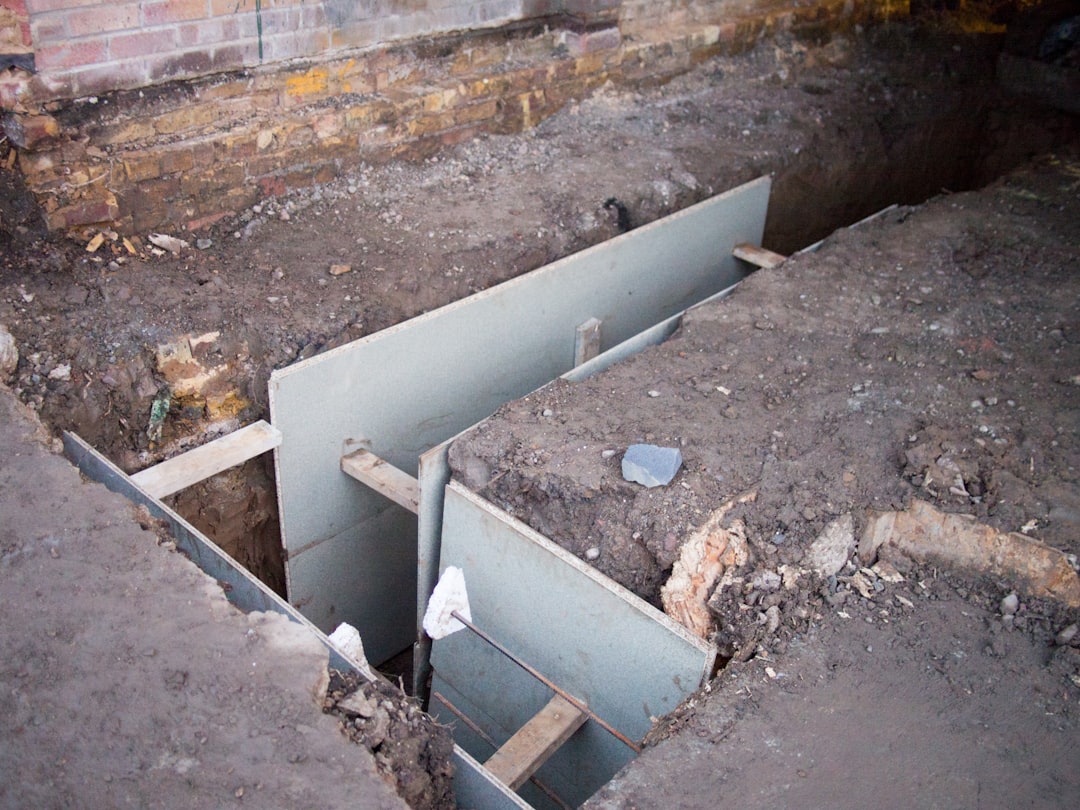
Hydroexcavation excels in precise digging applications. Projects such as pole installations, trenching for utilities, and potholing require exact location control. Excess digging can lead to added restoration work and material costs.
Traditional excavation often necessitates careful manual assistance near utilities, slowing progress and introducing additional labor demands.
Weather and Soil Conditions
Hydroexcavation systems often include heated water capabilities, allowing operators to work effectively in frozen ground conditions. Mechanical excavation can struggle in such environments without prior ground thawing.
In clay-heavy or rocky soils, however, hydroexcavation efficiency may decrease. Mechanical tools may handle compacted earth more directly and quickly under certain geological conditions.
Efficiency Conclusion: Traditional excavation leads in high-volume removal, while hydroexcavation excels in controlled, complex, and utility-sensitive projects.
Regulatory and Industry Considerations
Regulatory agencies increasingly emphasize safe digging practices. Damage prevention initiatives and “Call Before You Dig” programs reflect growing concerns over underground infrastructure protection.
Many municipalities and utility providers now recommend or mandate hydroexcavation for certain high-risk applications. Insurance providers may also offer more favorable terms for contractors who incorporate non-destructive excavation methods into their procedures.
Compliance with evolving safety standards can influence long-term operational costs and company reputation.
Choosing the Right Method
The decision between hydroexcavation and traditional excavation should not be viewed as an either-or proposition. Instead, it requires an honest assessment of:
- Project scale and scope
- Soil composition
- Presence of underground utilities
- Environmental sensitivity
- Budget constraints
- Timeline requirements
Many sophisticated contractors integrate both techniques into their operations. For example, hydroexcavation may be used initially to expose and verify utilities, followed by mechanical excavation for broader trenching once risks are mitigated.
Final Assessment
Hydroexcavation represents a modern, safety-focused approach that prioritizes precision and damage prevention. While it may involve higher upfront costs and slightly slower bulk removal speeds, it significantly reduces risk and often lowers total project costs over time.
Traditional excavation remains indispensable for large-scale construction and projects requiring rapid earthmoving. Its durability, accessibility, and raw power make it highly efficient in appropriate settings.
Ultimately, the most responsible project managers evaluate not only immediate expenses but also safety performance, regulatory compliance, environmental stewardship, and long-term financial impact. A method that appears cheaper at the outset may prove far more expensive if accidents, delays, or damage occur.
In today’s construction environment, where infrastructure networks grow increasingly complex and safety standards continue to evolve, hydroexcavation has established itself as a critical tool. However, traditional excavation retains its essential role in foundational earthwork.
The most effective strategy is informed selection — choosing the right technology for the right conditions, guided by a commitment to safety, efficiency, and fiscal responsibility.