
The rental property market is undergoing a structural transformation driven by artificial intelligence. What was once a relationship-based, manually managed sector is rapidly evolving into a data-centric ecosystem powered by predictive analytics, automation, and machine learning. From tenant screening and pricing optimization to maintenance forecasting and virtual leasing, AI is redefining how landlords, property managers, and tenants interact. This transformation is not speculative—it is actively reshaping operational standards and investment strategies worldwide.
TLDR: Artificial intelligence is fundamentally changing the rental property market through automation, predictive analytics, and data-driven decision-making. Property managers are using AI to optimize pricing, screen tenants, forecast maintenance needs, and improve tenant communication. These technologies increase efficiency, reduce risk, and enhance profitability while improving renter experiences. As adoption grows, AI is becoming a competitive necessity rather than an optional advantage.
The Shift Toward Data-Driven Property Management
Traditionally, rental management relied heavily on experience, intuition, and manual workflows. Decisions about rental pricing, maintenance timing, or tenant approvals were often reactive. AI introduces a proactive framework by analyzing vast datasets, including market trends, tenant behavior, economic indicators, and property performance metrics.
Today’s AI systems can process:
- Local market rent trends
- Occupancy rates across comparable properties
- Tenant payment histories
- Maintenance service patterns
- Neighborhood economic indicators
This allows property managers to move from reactive problem-solving to predictive optimization, resulting in improved occupancy, reduced turnover, and more stable revenue streams.
AI-Powered Rental Pricing Optimization
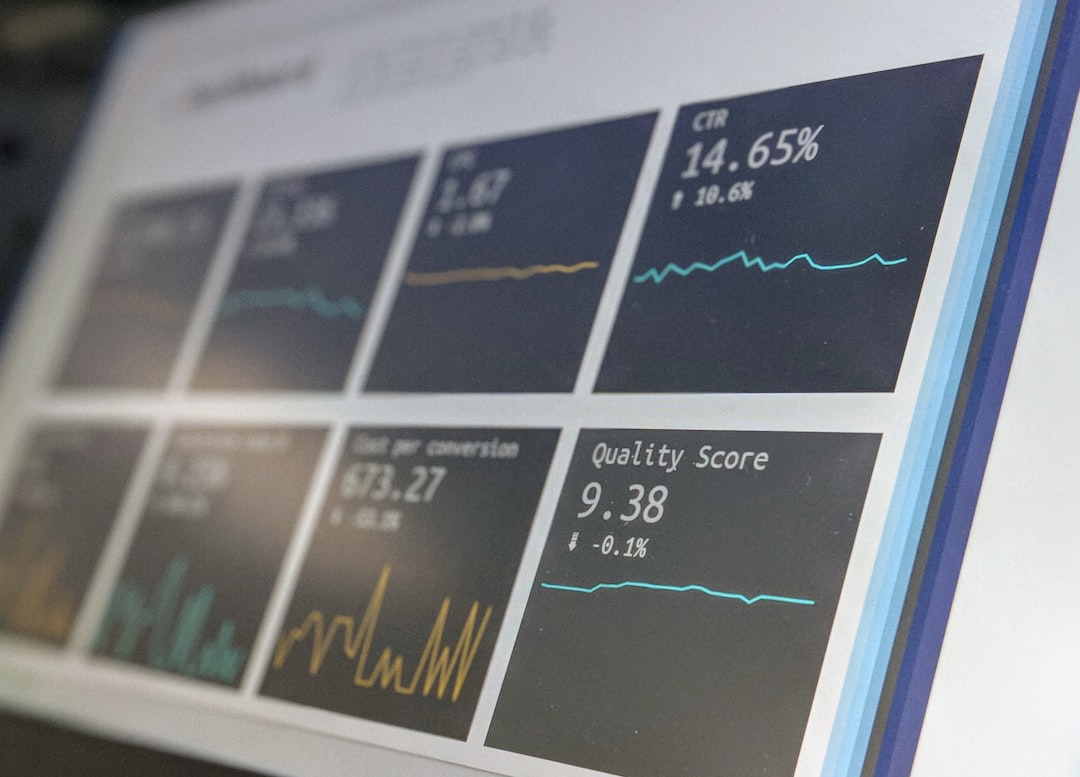
One of the most visible applications of artificial intelligence in the rental market is dynamic pricing. Similar to how airlines and hotels adjust prices based on demand, AI-driven rental platforms now enable landlords to optimize rent in real time.
Machine learning models evaluate factors such as:
- Seasonal demand patterns
- Neighborhood competitiveness
- Unit features and amenities
- Historical leasing velocity
- Macroeconomic signals
This ensures that properties are neither underpriced nor overpriced. Underpricing reduces profitability, while overpricing increases vacancy durations. AI systems monitor fluctuations continuously and recommend adjustments that maximize both occupancy and yield.
For institutional investors operating large portfolios, even a 2–3% optimization in rental pricing can translate into substantial annual revenue gains. As a result, algorithmic pricing tools are quickly becoming standard across professional management firms.
Revolutionizing Tenant Screening and Risk Assessment
Tenant screening has historically involved credit checks, employment verification, and manual background reviews. While still important, these processes are now enhanced by AI risk modeling systems that identify patterns beyond traditional metrics.
Advanced screening platforms assess:
- Payment behavior trends rather than static credit scores
- Income stability indicators
- Rental history consistency
- Behavioral risk models built from anonymized datasets
By analyzing diverse data points, AI improves predictive accuracy regarding late payments or lease defaults. However, this area requires careful regulatory compliance to ensure fairness and avoid discriminatory bias. Responsible implementation includes oversight mechanisms, explainable models, and adherence to housing laws.
When applied ethically, AI reduces risk exposure for landlords while simultaneously enabling more inclusive assessments of prospective tenants who may not fit traditional credit profiles.
Automating Tenant Communication and Leasing
The leasing process has become significantly more streamlined through AI-powered chatbots and virtual assistants. These tools handle inquiries 24/7, schedule showings, pre-qualify applicants, and answer frequently asked questions.
For property managers, this means:
- Reduced administrative burden
- Faster lead response times
- Higher conversion from inquiry to lease
- Consistent communication quality
For tenants, it translates into transparency and convenience. Prospective renters can receive immediate answers about pricing, pet policies, availability, and amenities without waiting for office hours.
Virtual tours enhanced by AI-driven personalization tools further refine the process. Some platforms now recommend units based on previous search behavior, lifestyle indicators, or location preferences, effectively replicating e-commerce recommendation engines within real estate.

Predictive Maintenance and Smart Property Operations
Maintenance has historically been reactive—issues were addressed only after tenants reported them. AI is shifting this model by integrating predictive maintenance systems with Internet of Things (IoT) sensors.
Smart buildings now collect real-time data on:
- HVAC performance
- Water usage anomalies
- Electrical load patterns
- Appliance efficiency metrics
AI algorithms analyze this information to detect irregularities before they become failures. For example, subtle changes in vibration or energy consumption may indicate that equipment requires servicing.
The benefits are threefold:
- Cost Reduction: Preventative repairs are generally less expensive than emergency fixes.
- Tenant Satisfaction: Fewer unexpected disruptions improve retention rates.
- Asset Longevity: Extending equipment lifespan increases long-term property value.
Over time, predictive maintenance reduces capital expenditure volatility and enables more accurate budgeting.
Portfolio-Level Intelligence for Investors
AI is also redefining how investors analyze and manage rental property portfolios. Instead of evaluating assets individually, machine learning tools aggregate performance across markets to identify patterns and optimize strategic allocation.
Institutional investors use AI to:
- Identify undervalued acquisition targets
- Forecast neighborhood appreciation trends
- Evaluate regulatory changes
- Model risk-adjusted returns across regions
This macro-level insight allows for portfolio diversification strategies that mitigate geographic or economic concentration risk. Smaller investors increasingly gain access to similar capabilities through proptech platforms that democratize advanced analytics.
The result is a rental investment landscape that is more analytical, transparent, and performance-driven than at any previous point.
Enhancing Tenant Experience Through Personalization
Modern renters expect seamless digital experiences. Artificial intelligence enables personalization that enhances engagement and satisfaction.
Examples include:
- Automated reminders tailored to payment behavior
- Customized renewal offers based on residency history
- Community engagement recommendations
- Energy usage insights to reduce utility costs
Retention is critical in rental operations. Turnover can cost property owners thousands per unit. AI systems identify tenants most likely to move and prompt proactive retention strategies before notices are submitted.
By combining behavioral analytics with operational data, property managers shift from a reactive to a relationship-oriented approach—supported by technology rather than replacing human interaction.

Fraud Detection and Security Improvements
Rental fraud has become increasingly sophisticated, particularly in online leasing environments. AI-enhanced verification systems detect anomalies in application data, identify synthetic identities, and flag suspicious documentation.
These systems cross-reference information against large data networks, recognizing patterns that manual oversight might miss. This reduces financial exposure from fraudulent leases while protecting communities from potential bad actors.
In addition, AI-assisted surveillance and smart access control systems enhance physical property security, strengthening tenant trust.
Ethical and Regulatory Considerations
Despite its advantages, AI implementation requires careful governance. Concerns around algorithmic bias, data privacy, and transparency must be addressed thoughtfully.
Responsible AI adoption includes:
- Regular bias auditing
- Explainable model documentation
- Compliance with fair housing regulations
- Clear tenant data consent practices
The rental market operates within a heavily regulated framework. Ensuring that AI systems align with legal standards is essential not only to avoid liability but also to maintain market trust.
The Competitive Frontier
The integration of artificial intelligence in rental property management is no longer experimental. It represents a structural shift in how the market operates. Early adopters benefit from cost efficiencies, stronger tenant retention, and improved revenue predictability.
As AI becomes deeply embedded in property technology platforms, expectations will rise. Tenants will demand seamless digital experiences. Investors will expect data-backed performance optimization. Properties lacking intelligent systems may struggle to compete.
Importantly, AI does not replace human expertise—it augments it. Strategic oversight, ethical judgment, and relationship management remain central to successful rental operations. The difference is that decisions are now supported by deeper insights, faster processing, and scalable automation.
In the coming years, continued advancements in machine learning, natural language processing, and predictive analytics will further transform leasing, maintenance, and investment models. The rental property market is evolving into a sophisticated ecosystem where information drives performance.
Artificial intelligence is not simply enhancing the rental industry—it is redefining its operational foundation.