
Google Earth has become one of the most widely used tools for viewing satellite imagery, whether for professional research, urban planning, environmental monitoring, or simple curiosity. Yet one of the most common and often misunderstood questions is: how often does Google Earth update its satellite images? The answer is not straightforward. Update frequency depends heavily on location, population density, geopolitical importance, and the availability of commercial satellite imagery.
TLDR: Google Earth does not update all locations at the same time or on a fixed global schedule. Major cities and high‑interest regions may be refreshed every few months, while rural or remote areas may go years without visible updates. Imagery updates depend on data sources, cloud cover, and commercial satellite passes. The best way to check your area’s freshness is to use Google Earth’s historical imagery feature.
How Google Earth Gets Its Imagery
To understand update frequency, it is essential to know how Google Earth obtains its images. Contrary to a common belief, Google does not operate its own fleet of imaging satellites exclusively for Earth. Instead, the company licenses and integrates imagery from multiple sources, including:
- Commercial satellite providers such as Maxar Technologies and Airbus.
- Aerial photography providers for high-resolution urban imagery.
- Government and public datasets where available.
This layered sourcing explains why imagery quality and update timing can vary dramatically from one place to another. Some areas rely primarily on high-resolution aerial photography flights, while others depend on periodic satellite passes.
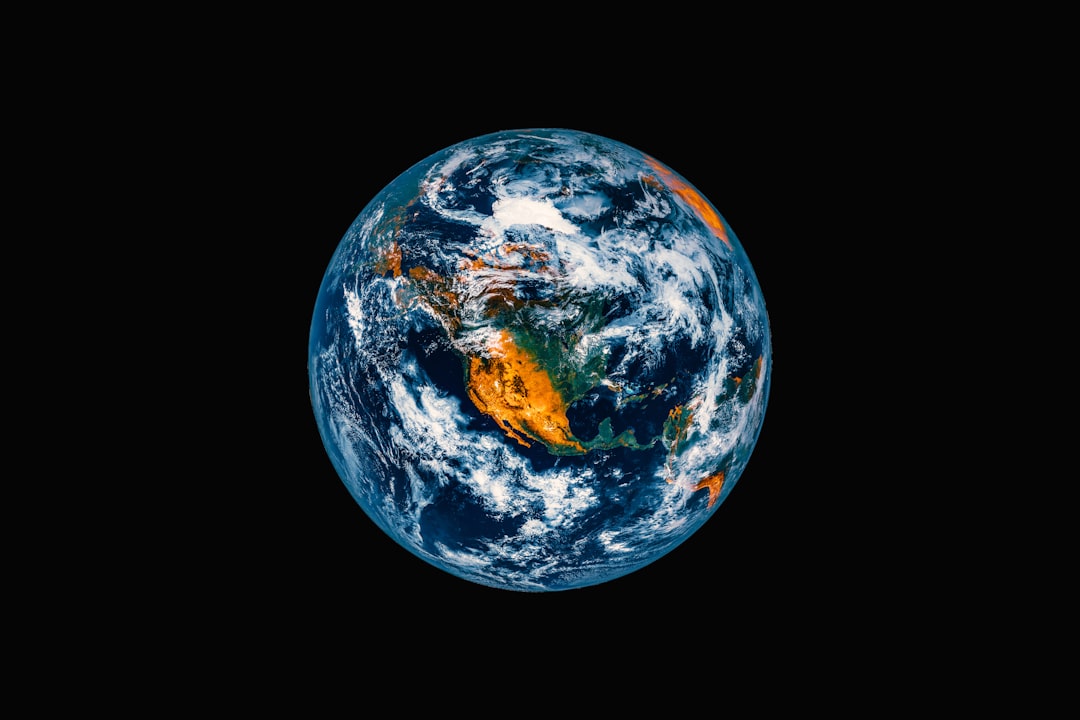
Average Update Frequency: What to Expect
There is no universal update timetable, but certain general patterns are observable:
- Major metropolitan areas: Typically updated every 6 months to 1 year.
- Suburban regions: Often updated every 1–3 years.
- Rural or remote areas: May go 3–5 years or longer without visible updates.
- Rapidly changing regions: Construction zones, disaster areas, or conflict zones may receive faster updates when high demand exists.
In densely populated cities such as New York, London, or Tokyo, updates tend to appear more frequently because imagery providers prioritize commercially and geopolitically significant locations. These areas generate high demand from businesses, researchers, and governments.
By contrast, sparsely populated desert regions, mountainous terrain, or agricultural land may not justify the same update frequency from a cost perspective.
Differences Between Satellite and Aerial Updates
Another critical factor is the distinction between satellite imagery and aerial photography. In many urban areas, the crisp, detailed imagery visible in Google Earth actually comes from aircraft rather than satellites.
- Satellite imagery is captured from orbit and covers vast geographic areas.
- Aerial imagery is captured by planes flying at much lower altitudes, producing sharper resolution.
Aerial surveys are typically commissioned periodically by governments or mapping agencies. As a result, some cities may appear to “jump” forward in clarity and accuracy after a scheduled aerial survey project is completed.
This explains why buildings may suddenly look sharper in a new update, even if satellite passes occurred more frequently behind the scenes.
Why Some Areas Update Faster Than Others
Several practical and economic factors determine update frequency by location:
1. Population Density
Higher population centers tend to receive updates more often because they are commercially valuable and widely used.
2. Economic Significance
Financial districts, transportation hubs, and industrial centers are more likely to be prioritized.
3. Political or Strategic Interest
Regions experiencing major geopolitical events may see faster refresh cycles due to demand for current data.
4. Construction and Urban Expansion
Fast-growing cities in areas such as Southeast Asia or the Middle East are commonly updated to reflect new infrastructure.
5. Cloud Cover and Weather
Persistent cloud cover can delay updates significantly. Tropical regions, for example, may require multiple satellite passes before a usable cloud-free image is obtained.
Image not found in postmetaHow to Check When Your Area Was Last Updated
Google Earth allows users to verify imagery dates directly. On the desktop version of Google Earth Pro:
- Open Google Earth Pro.
- Navigate to your desired location.
- Observe the imagery date at the bottom of the screen.
- Use the Historical Imagery slider to compare previous captures.
This feature is particularly useful for identifying whether your location receives regular updates or has remained unchanged for years.
It is important to note that the date shown reflects when the imagery was captured, not when it was uploaded to Google Earth. There can be a delay of weeks or months between acquisition and publication.
Google Maps vs. Google Earth: Are Updates the Same?
Although they share infrastructure, Google Maps and Google Earth do not always update simultaneously. Google Maps often prioritizes navigational accuracy, meaning road changes, new businesses, and traffic patterns may appear sooner than high-resolution satellite imagery changes.
Google Earth, in contrast, focuses more heavily on visual satellite and aerial data. Therefore:
- Street information may update faster in Google Maps.
- 3D building models may update independently.
- Imagery refresh cycles may differ between the platforms.
This distinction contributes to confusion when users notice map data changes without corresponding aerial image updates.
How Natural Disasters Affect Update Frequency
In the aftermath of major natural disasters such as hurricanes, earthquakes, or wildfires, update frequency can accelerate dramatically. Commercial satellite providers often capture post-event imagery quickly for insurance companies, governments, and humanitarian relief agencies.
Once available, this imagery may be incorporated into Google Earth sooner than routine regional updates. However, integration speed depends on licensing and processing timelines.
For example, major hurricanes in the United States have historically led to relatively fast post-disaster imagery refreshes in affected areas.
Resolution vs. Recency
One critical point that users often overlook is the trade-off between resolution and recency. Higher-resolution imagery is generally more expensive to collect and process. As a result:
- An area may have frequent low-to-medium resolution satellite passes.
- However, high-resolution imagery may only be updated periodically.
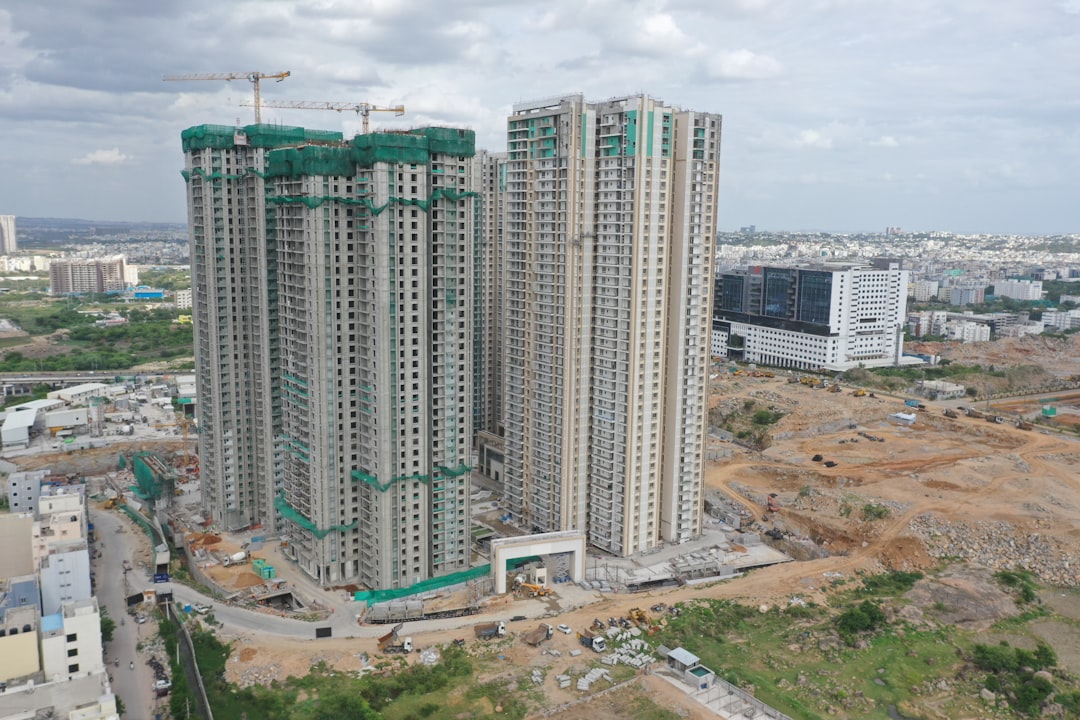
This explains why certain rapidly developing areas may show signs of change in low-detail imagery before crisp aerial updates become available.
Why Updates Can Seem Inconsistent
From a user perspective, updates can feel random. However, the apparent inconsistency is the result of multiple overlapping systems:
- Different satellite providers operate on different schedules.
- Imagery must pass quality control checks.
- Cloud obstruction may invalidate otherwise recent captures.
- Regional licensing agreements may affect publication timing.
In addition, Google continuously refines color correction and stitching techniques, which can result in visible mosaic boundaries between image segments captured at different times.
Can You Request an Update?
Google does not provide a formal mechanism for individuals to request updated satellite images for specific private properties. While feedback can be submitted, update decisions are driven primarily by large-scale data acquisition strategies rather than individual inquiries.
Organizations with professional needs often turn to commercial satellite providers directly if they require more recent imagery than what is publicly available on Google Earth.
Future Trends in Satellite Imagery Updates
The satellite imaging industry is evolving rapidly. Increasingly, smaller satellites in low Earth orbit can capture imagery of the same location daily. While much of this data is lower resolution compared to premium commercial imagery, technological advances continue to narrow that gap.
As launch costs decrease and satellite constellations expand, more frequent global coverage is becoming technically feasible. However, public platforms like Google Earth must balance cost, licensing, processing requirements, and storage scalability before integrating these streams at scale.
It is reasonable to expect that update frequency in urban areas will continue improving over the next decade, while extremely remote regions may still experience longer refresh cycles.
Conclusion
There is no single answer to how often Google Earth updates its satellite images. The update schedule depends on geography, demand, commercial agreements, weather conditions, and the availability of high-quality data. Major cities may see updates every year or sooner, while remote regions might wait several years between refreshes.
By using Google Earth Pro’s historical imagery tool, users can determine the capture date of their location and assess update patterns themselves. Understanding the economic and technical factors behind image acquisition helps set realistic expectations.
Ultimately, Google Earth reflects a complex ecosystem of satellite technology, aerial surveys, and commercial partnerships—an ecosystem that continues to evolve as imaging capabilities expand worldwide.