
Environmental monitoring has become a cornerstone of modern laboratory operations. Whether working in pharmaceuticals, biotechnology, food testing, healthcare, or academic research, labs must maintain strict environmental controls to ensure data accuracy, product safety, and regulatory compliance. From temperature and humidity to air quality and differential pressure, even minor fluctuations can compromise sensitive experiments or violate regulatory standards. As regulations tighten and digital transformation accelerates, environmental monitoring software tools are no longer optional—they are essential infrastructure.
TLDR: Environmental monitoring software helps laboratories track temperature, humidity, air quality, and other critical parameters to ensure compliance and data integrity. Leading tools such as ELPRO Cloud, Vaisala viewLinc, Tive, Labguru, and DicksonOne offer real-time alerts, data logging, audit trails, and regulatory-ready reporting. Choosing the right solution depends on lab size, regulatory requirements, integration needs, and scalability. Investing in the right platform reduces risk, improves accuracy, and simplifies audits.
Below, we explore five leading environmental monitoring software tools that help laboratories maintain compliance, safeguard research, and ensure operational efficiency.
Why Environmental Monitoring Software Matters
Before diving into specific tools, it’s important to understand what makes environmental monitoring software so critical. Many regulatory bodies—such as the FDA, ISO, GMP, GLP, CAP, and WHO—require documented environmental control and traceable records. Manual logging methods are increasingly seen as inadequate due to human error, lack of real-time alerts, and limited audit readiness.
Modern monitoring platforms provide:
- Continuous real-time data tracking
- Automated alerts for parameter deviations
- Audit-ready reports with digital records
- Cloud-based access for remote oversight
- Integration with laboratory systems and equipment
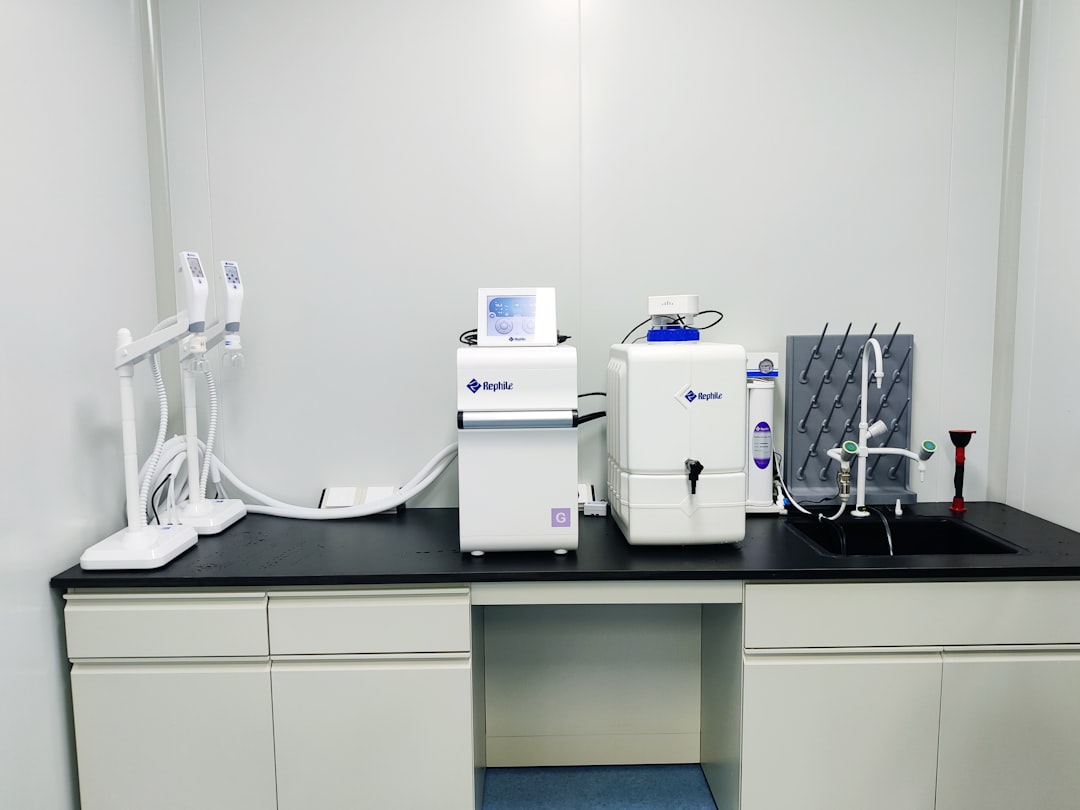
With these capabilities, labs not only prevent costly incidents like freezer failures or contamination but also streamline inspections and accreditation processes.
1. ELPRO Cloud
Best for: Pharmaceutical and GMP-regulated laboratories
ELPRO Cloud is a comprehensive environmental monitoring solution tailored for highly regulated environments. It is widely used in pharmaceutical, life sciences, and biotech facilities where compliance demands are stringent.
Key Features:
- Real-time monitoring of temperature, humidity, CO2, and pressure
- Audit-ready documentation aligned with FDA 21 CFR Part 11
- Automated deviation alerts via email and SMS
- Secure cloud-based data storage
- Scalable deployment across facilities
What sets ELPRO apart is its emphasis on validation and compliance documentation. For labs operating under GMP standards, the system simplifies validation processes and supports smooth regulatory inspections.
Why labs choose ELPRO: Robust compliance infrastructure combined with user-friendly dashboards.
2. Vaisala viewLinc
Best for: Large facilities requiring enterprise-level oversight
Vaisala viewLinc is known for precision sensor technology combined with powerful monitoring software. Designed for complex and multi-site operations, it delivers accurate data with centralized management capabilities.
Key Features:
- High-accuracy sensors for critical environments
- Real-time alarm notifications
- Multi-site monitoring capabilities
- Comprehensive reporting tools
- Configurable user access controls
Vaisala’s strength lies in sensor reliability and calibration traceability. Facilities managing cleanrooms, stability chambers, or cold storage areas often choose viewLinc for its dependable performance.
Why labs choose Vaisala: Trusted sensor accuracy and scalable enterprise control.
3. DicksonOne
Best for: Mid-sized labs seeking easy implementation
DicksonOne provides a cloud-based monitoring platform that balances functionality and simplicity. Installation is straightforward, making it an attractive option for labs transitioning from paper-based systems.
Key Features:
- Wireless data loggers
- Continuous environmental tracking
- Instant alerts for excursions
- Customizable reporting dashboards
- Secure data storage and backup
Its intuitive interface reduces the learning curve for staff, while automated alerts help prevent equipment failures that could damage valuable samples or invalidate experiments.
Why labs choose DicksonOne: User-friendly design with reliable compliance support.
4. Tive
Best for: Labs managing environmental monitoring during transport
Tive specializes in real-time shipment visibility, making it essential for labs shipping biological samples, pharmaceuticals, or temperature-sensitive materials.
Key Features:
- Live shipment tracking
- Temperature and humidity monitoring
- Location visibility via GPS
- Instant notifications for threshold breaches
- Data sharing across stakeholders
For research organizations collaborating across borders, maintaining environmental integrity during transit is critical. Tive provides actionable data that protects sample viability and regulatory compliance.
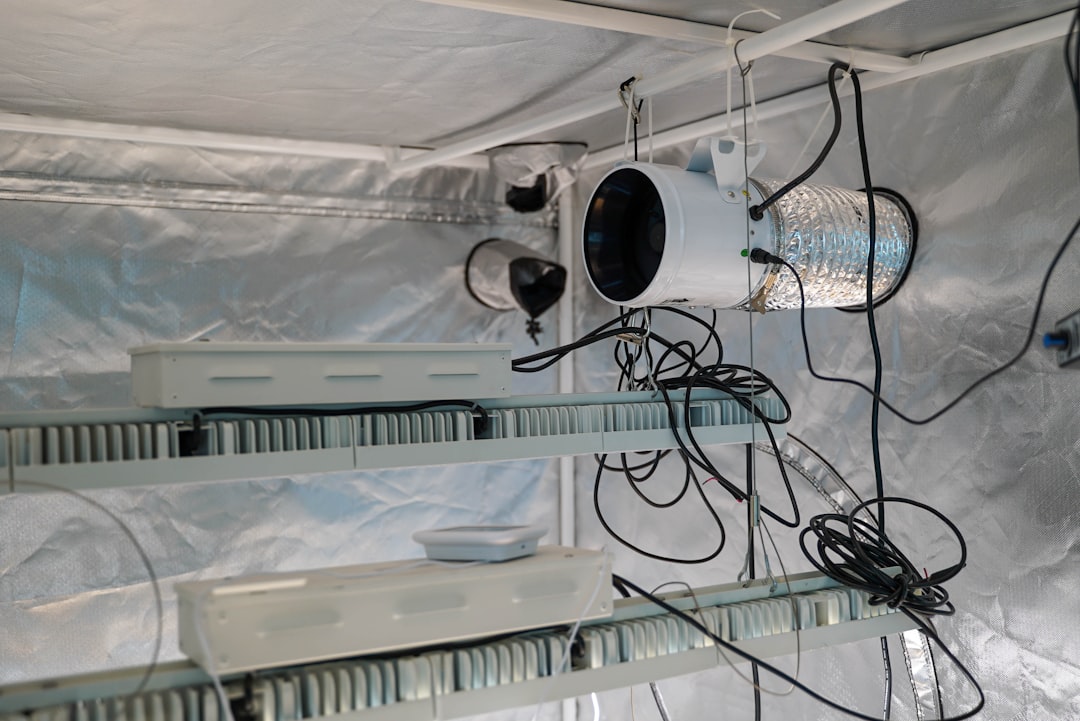
Why labs choose Tive: Real-time shipment transparency and cold chain protection.
5. Labguru (with Monitoring Integrations)
Best for: Labs integrating environmental data with research workflows
While primarily a laboratory information management system (LIMS), Labguru integrates environmental monitoring capabilities through compatible sensors and third-party tools. This allows labs to centralize research data and environmental records in one platform.
Key Features:
- Data integration with experiments and inventory
- Centralized digital recordkeeping
- Regulatory-compliant audit trails
- Cloud collaboration capabilities
- Custom reporting and documentation
Labs aiming to unify operational data with research outputs benefit from Labguru’s streamlined ecosystem.
Why labs choose Labguru: All-in-one research management with environmental oversight.
Comparison Chart: Environmental Monitoring Software Tools
| Tool | Best For | Compliance Support | Cloud Based | Real Time Alerts | Unique Strength |
|---|---|---|---|---|---|
| ELPRO Cloud | Pharma, GMP labs | FDA 21 CFR Part 11, GMP | Yes | Yes | Regulatory validation support |
| Vaisala viewLinc | Enterprise facilities | FDA, ISO, GxP | Yes | Yes | High precision sensors |
| DicksonOne | Mid sized labs | CAP, Joint Commission | Yes | Yes | Easy deployment |
| Tive | Cold chain transport | GDP compliant | Yes | Yes | Shipment tracking visibility |
| Labguru | Integrated research labs | Audit trails, Part 11 support | Yes | Integrated | LIMS plus monitoring integration |
How to Choose the Right Environmental Monitoring Software
Selecting the right platform requires assessing several factors beyond cost.
- Regulatory Requirements: Ensure compatibility with applicable guidelines such as GMP, GLP, or CAP.
- Scalability: Consider future growth and multi-site expansion.
- Ease of Validation: Especially crucial for pharmaceutical environments.
- Integration: Can the system connect with LIMS, ERP, or facility management tools?
- User Accessibility: Cloud dashboards and mobile alerts improve responsiveness.
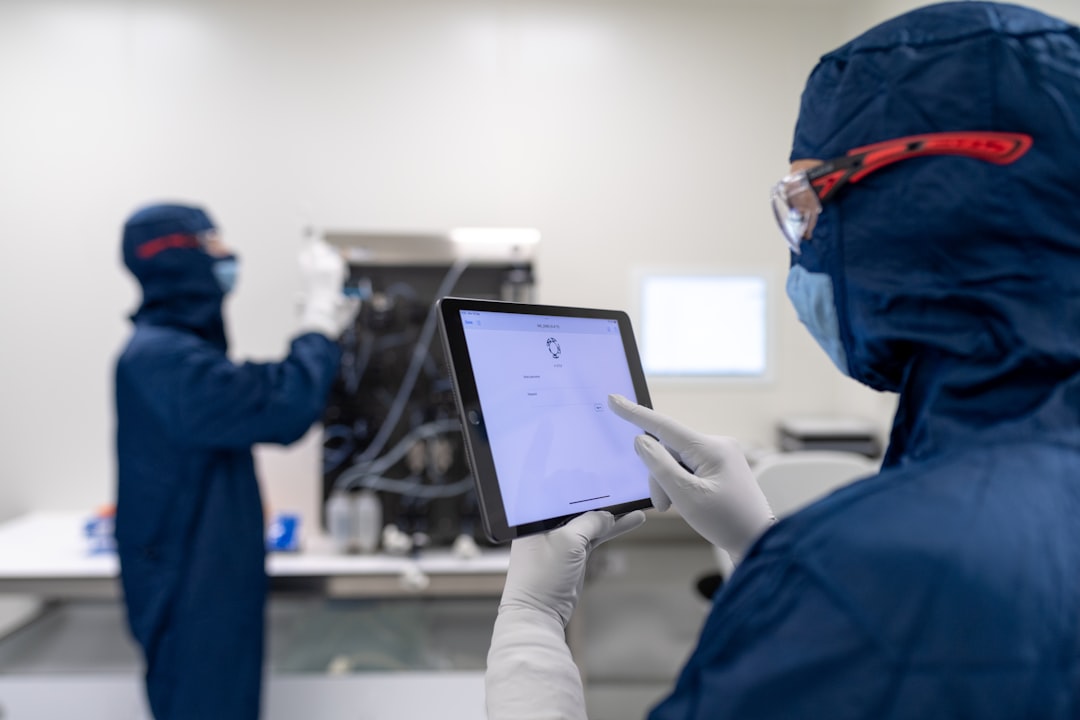
A small testing lab may prioritize ease of installation and affordability, while a multinational pharmaceutical company may require centralized enterprise monitoring with detailed compliance documentation.
The Impact on Accuracy and Compliance
Environmental stability directly impacts data reliability. Incubators operating outside validated temperature ranges or cleanrooms with fluctuating particle levels can introduce variability into research outcomes. Automated monitoring eliminates guesswork and ensures consistent environmental conditions.
Additionally, during regulatory inspections, digital audit trails significantly reduce stress and preparation time. Instead of compiling handwritten logs, lab managers can generate reports in minutes. This transparency fosters confidence with regulators and stakeholders alike.
Beyond compliance, these platforms enhance operational efficiency. Remote alerts allow staff to respond immediately to freezer malfunctions or HVAC failures—even outside working hours—potentially saving thousands of dollars in inventory and research investment.
Future Trends in Environmental Monitoring
The future of environmental monitoring in laboratories will likely include:
- AI-driven predictive analytics to anticipate equipment failures
- IoT sensor expansion for deeper data collection
- Automated compliance documentation
- Greater cybersecurity measures to protect sensitive lab data
As digital ecosystems expand, environmental data will become more integrated with laboratory workflows, equipment automation, and enterprise management systems.
Final Thoughts
Environmental monitoring software has evolved from simple temperature logging to comprehensive compliance management systems. Whether your lab focuses on pharmaceuticals, academic research, clinical diagnostics, or logistics, the right monitoring platform safeguards both scientific integrity and regulatory standing.
ELPRO Cloud and Vaisala viewLinc offer enterprise-grade compliance and precision. DicksonOne provides simplicity and reliability for growing labs. Tive protects environmental integrity during transport. Labguru connects monitoring with broader research management.
Ultimately, investing in robust environmental monitoring software is not merely about meeting regulations—it is about ensuring accuracy, protecting valuable assets, and building trust in your laboratory’s results. In a world where data precision and compliance scrutiny continue to intensify, these tools have become indispensable partners in laboratory excellence.