
Managing your household assets is no longer a luxury reserved for large estates or meticulous accountants. In today’s environment—where insurance claims, warranty tracking, and financial planning are increasingly complex—maintaining a detailed home inventory is both practical and prudent. Whether you own a house, rent an apartment, or manage multiple properties, having an organized record of your belongings can save time, money, and stress.
TLDR: A home inventory app helps you catalog possessions, track warranties, and simplify insurance claims. The best solutions combine cloud storage, photo documentation, and reporting features. This article reviews six leading home inventory apps and explores practical DIY alternatives for those who prefer manual control. A comparison chart is included to help you choose the most suitable option for your needs.
A proper inventory system does more than create a list of belongings. It provides documentation for insurance claims, proof of ownership for tax reporting, and clarity when making estate planning decisions. Below, we examine six trusted apps followed by do-it-yourself alternatives, ensuring you can select the right method for your household.
Why a Home Inventory Matters
Before reviewing specific tools, it is important to understand the value of maintaining a current inventory:
- Insurance Claims: Speeds up reimbursement after theft, fire, or natural disasters.
- Financial Awareness: Clarifies the value of household assets.
- Warranty Tracking: Prevents missed repair or replacement opportunities.
- Estate Planning: Assists executors in asset distribution.
- Moving Efficiency: Simplifies relocation logistics.
With that foundation in mind, let’s examine the top digital tools currently available.
Top 6 Home Inventory Apps
1. Sortly
Best for: Visual organization and intuitive design
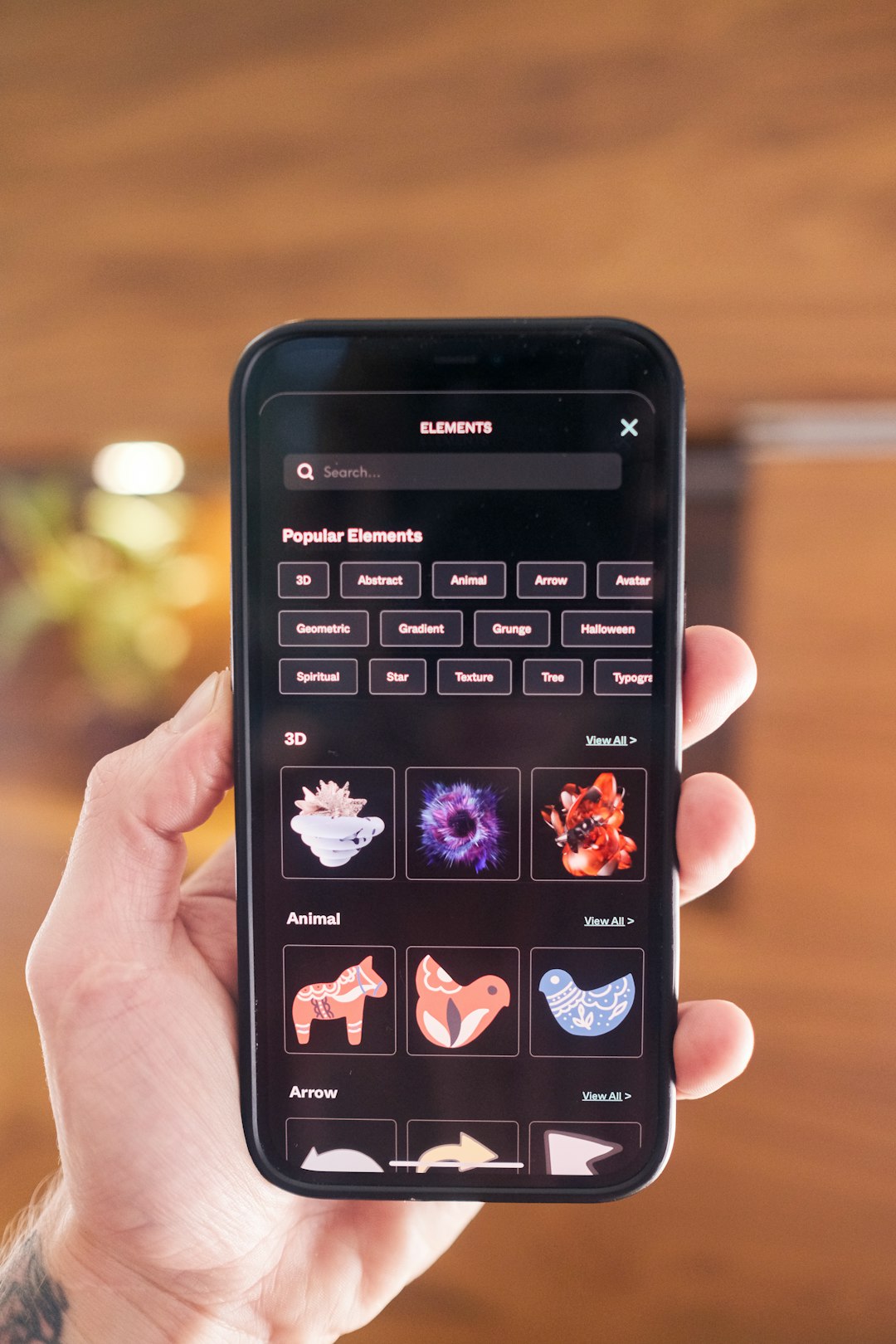
Sortly is widely recognized for its clean interface and flexibility. Users can create folders by room, category, or custom grouping. The app allows photo uploads, QR code labels, and detailed item notes.
Key strengths:
- Photo-based cataloging
- Custom fields for model numbers and serial numbers
- Cloud synchronization
- Exportable reports (PDF and CSV)
Sortly is especially suitable for homeowners who prefer a visually organized system and straightforward mobile experience.
2. Encircle
Best for: Detailed property and insurance documentation
Encircle was designed with insurance professionals in mind. It offers structured documentation tools, including room-by-room categorization and advanced reporting.
- Video capture capabilities
- Cloud storage with secure backups
- Collaboration features for families
This app is particularly strong for homeowners in disaster-prone areas who want comprehensive coverage documentation.
3. Home Inventory (by Binary Formations)
Best for: Apple ecosystem users
This Mac-focused software offers robust reporting and barcode scanning. Its detailed categorization options make it powerful for users with extensive collections or high-value assets.
- Barcode integration
- Insurance-focused reports
- Data syncing across Apple devices
This is a professional-grade choice for users invested in macOS and iOS platforms.
4. Nest Egg
Best for: Simple and quick setup
Nest Egg provides an easy method to catalog items with photos, receipts, and notes. It does not overwhelm users with advanced customization, making it appropriate for small households or renters.
- Room-based categorization
- Offline functionality
- One-time purchase model
5. Memento Database
Best for: Advanced customization
Memento is not strictly a home inventory app—it is a customizable database platform. However, this flexibility allows users to build highly detailed asset systems tailored to unique needs.
- Custom forms and templates
- Cloud and desktop syncing
- Data export options
For analytical users comfortable designing their own structure, Memento offers substantial control.
6. BluePlum Home Inventory
Best for: Multi-property management
BluePlum enables tracking by location, making it well suited for landlords and property managers. It also offers depreciation tracking—an advantage for tax documentation.
- Location-based categorization
- Receipt storage
- Report generation
Comparison Chart
| App | Best For | Cloud Backup | Photo Support | Reporting | Platform |
|---|---|---|---|---|---|
| Sortly | Visual organization | Yes | Yes | PDF, CSV | iOS, Android, Web |
| Encircle | Insurance documentation | Yes | Yes, video | Advanced | iOS, Android |
| Home Inventory | Apple users | Yes | Yes | Detailed insurance | Mac, iOS |
| Nest Egg | Simplicity | Limited | Yes | Basic | iOS |
| Memento | Customization | Yes | Yes | Custom | Android, Web, Desktop |
| BluePlum | Multi-property | Yes | Yes | Tax focused | Web, Mobile |
DIY Alternatives for Home Inventory Management
While apps provide convenience, some individuals prefer hands-on control or want to avoid subscription fees. Below are practical do-it-yourself approaches.
1. Spreadsheet System
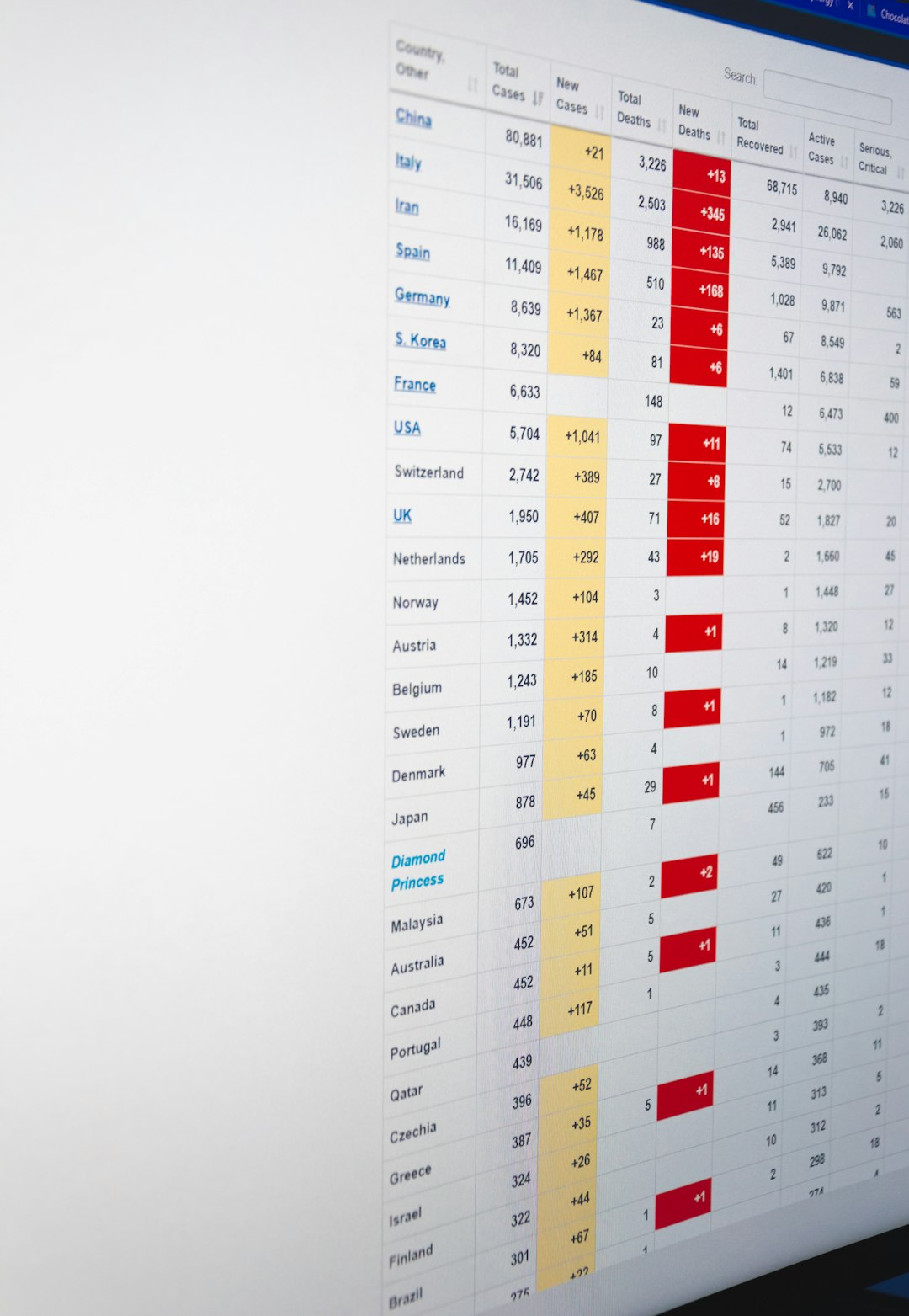
Using Excel or Google Sheets is one of the most cost-effective methods.
Suggested columns:
- Item name
- Category
- Serial number
- Purchase date
- Cost
- Current estimated value
- Warranty expiration
- Location
Cloud-based spreadsheets allow automatic backup and easy sharing with family members.
2. Digital Photo Archive
For minimalists, simply photographing each room and high-value object provides baseline documentation. Store images in clearly labeled folders such as “Living Room 2026” or “Electronics Receipts.”
Enhance this approach by:
- Recording short video walkthroughs annually
- Emailing copies to yourself for offsite backup
- Using cloud storage with two-factor authentication
3. Binder-Based Physical Inventory
Some homeowners prefer tangible records. A structured binder can include:
- Printed photographs
- Receipts in protective sleeves
- Appraisal certificates
- Warranty documents
Store the binder in a fire-resistant safe for maximum protection.
4. Hybrid System
A hybrid method combines digital tracking with physical copies of critical documents. For instance, you may maintain a master spreadsheet while storing key receipts in a physical folder.
This strategy often provides the most resilient protection against data loss or device failure.

Best Practices for Effective Asset Management
Regardless of the method chosen, certain principles ensure accuracy and usefulness:
- Update regularly: Review inventory every 6–12 months.
- Photograph serial numbers: Especially for electronics and appliances.
- Track high-value items separately: Jewelry, collectibles, and artwork may require appraisals.
- Maintain offsite backup: Cloud storage or secure external drives.
- Review insurance coverage: Confirm policy limits align with documented values.
Consistency is more important than complexity. A simple system maintained diligently is far more valuable than a sophisticated platform left outdated.
Choosing the Right Solution
Selecting the best home inventory tool depends on your priorities:
- If visual simplicity is key: Choose Sortly.
- If insurance documentation is your focus: Encircle may be preferable.
- If you value customization and data flexibility: Memento Database stands out.
- If you prefer full control and zero subscription costs: A spreadsheet-based DIY solution is entirely sufficient.
No system guarantees protection against loss—but preparation significantly reduces financial disruption. A well-maintained inventory serves as both a financial safeguard and an organizational asset.
Final Thoughts
Managing household assets efficiently requires foresight and discipline, yet modern tools make the process achievable for virtually anyone. Whether you adopt a specialized home inventory app or construct your own structured database, the critical step is beginning the process. Documenting your possessions today can prevent confusion, disputes, and financial setbacks tomorrow.
A trustworthy inventory system does more than list belongings—it reinforces financial transparency, strengthens insurance readiness, and supports long-term planning. In an uncertain world, preparedness remains one of the most valuable assets a household can possess.