
Efficient cash flow management is one of the most critical components of a successful business. Yet for many organizations, invoicing and payment tracking remain time-consuming, error-prone tasks that drain financial and administrative resources. Modern invoice generation software addresses these challenges by automating billing, payment reminders, reconciliation, and reporting. The result is improved accuracy, faster payments, and greater financial visibility.
TLDR: Invoice generation software automates the creation, delivery, and tracking of invoices, reducing manual errors and delays. It streamlines payment collection through reminders, integrations, and real-time status updates. Businesses gain improved cash flow visibility, compliance support, and financial reporting. Ultimately, automation strengthens operational efficiency and financial control.
In today’s competitive business environment, relying on spreadsheets or manual invoicing systems is no longer sustainable. Automation is not simply a matter of convenience—it is a strategic decision that directly impacts profitability, operational agility, and client relationships.
The Importance of Automated Invoice Generation
Manual invoicing often leads to inconsistencies, calculation errors, missed follow-ups, and delayed payments. Even small inaccuracies can strain client relationships and compromise financial reporting. Automated invoice generation software ensures that:
- Invoices are created accurately using predefined templates and tax rules.
- Billing schedules are consistent, especially for recurring payments.
- Payment reminders are sent automatically, reducing overdue accounts.
- Financial records remain centralized and accessible.
Automation transforms invoicing from a reactive administrative task into a proactive financial management process. By removing manual intervention where it is not needed, businesses can focus on higher-value strategic functions.

Key Features That Enable Payment Automation
Reliable invoice generation software typically includes a comprehensive set of features designed to automate the entire billing cycle. These capabilities work together to create a seamless workflow from invoice creation to payment confirmation.
1. Customizable Invoice Templates
Professional presentation builds trust. Customizable templates allow companies to incorporate logos, color schemes, payment terms, and tax information. Standardization ensures brand consistency and legal compliance across all invoices.
2. Recurring Billing and Subscription Management
For businesses offering subscription services or long-term contracts, recurring billing is essential. Automation ensures that invoices are generated at predefined intervals without manual input. This reduces administrative burden and eliminates the risk of missed billing cycles.
3. Automated Payment Reminders
Late payments can disrupt cash flow. Automated reminder systems send notifications before, on, and after due dates. These reminders are professional, consistent, and timely—helping maintain strong client relationships while encouraging prompt payment.
4. Online Payment Integration
Integration with secure payment gateways allows clients to pay directly from the invoice. When customers can complete payment in just a few clicks, payment cycles shorten significantly.
5. Real-Time Payment Tracking
Tracking mechanisms provide immediate insight into whether invoices are sent, viewed, paid, or overdue. This transparency allows finance teams to take swift action when necessary.
Improving Cash Flow Through Structured Tracking
Cash flow stability is central to business sustainability. Invoice generation software contributes to financial stability through structured tracking systems that provide:
- Accounts receivable dashboards for instant analysis.
- Aging reports to monitor overdue invoices.
- Payment forecasting tools based on historical patterns.
- Automated reconciliation with banking data.
Instead of manually compiling financial data from multiple sources, businesses can rely on a centralized system that continuously updates in real time.
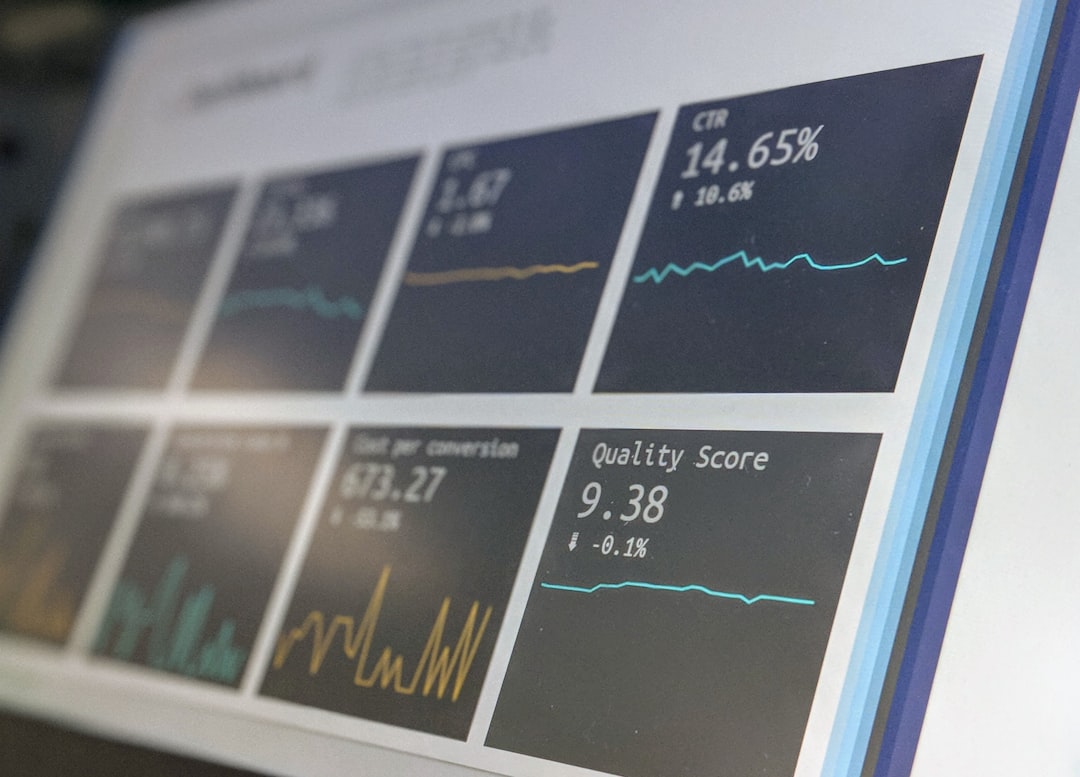
This level of visibility enables informed strategic decisions. Leaders can identify bottlenecks, address chronic late payments, and adjust credit policies with confidence.
Reducing Human Error and Operational Risk
Human error is inevitable in manual systems. Misapplied tax rates, incorrect client details, and mathematical mistakes can damage credibility and create compliance risks. Automated systems dramatically reduce such vulnerabilities.
Advanced solutions incorporate:
- Automatic tax calculations based on jurisdiction.
- Client data validation to prevent duplicate entries.
- Pre-approved billing rules to standardize charges.
- Secure data storage with encrypted access controls.
By minimizing manual handling, businesses reduce exposure to costly financial inaccuracies and audit discrepancies.
Enhancing Compliance and Record Keeping
Regulatory compliance is a serious responsibility. Tax authorities and financial regulators often require detailed documentation and accurate reporting. Invoice generation software supports compliance efforts by:
- Maintaining secure archives of invoices and payment records.
- Providing exportable reports for audits.
- Applying tax rules and rate structures automatically.
- Keeping timestamped logs of actions and edits.
Well-maintained records not only protect against penalties but also improve internal accountability and governance standards.
Streamlining Collaboration Across Departments
Financial management rarely operates in isolation. Sales teams, operations managers, and external accountants frequently require access to billing information. Centralized invoicing platforms allow secure, role-based access so stakeholders can retrieve relevant data without compromising sensitive information.
For example:
- Sales teams can confirm payment status before extending further credit.
- Management can review revenue reports in real time.
- Accountants can reconcile books without chasing documents.
This structured collaboration reduces miscommunication and accelerates workflows.
Scalability for Growing Businesses
As organizations expand, invoicing complexity increases. A growing customer base, multiple pricing tiers, expanding geographic markets, and evolving tax regulations require adaptable systems. Manual methods struggle to scale efficiently.
Invoice generation software grows alongside the business by:
- Managing high invoice volumes effortlessly.
- Supporting multiple currencies and tax jurisdictions.
- Integrating with accounting and enterprise resource planning systems.
- Allowing custom automation workflows.
Scalable solutions protect businesses from operational disruption during periods of accelerated growth.

Strengthening Client Relationships
Billing clarity directly influences customer experience. Confusing invoices, inconsistent formatting, or delayed communication can harm otherwise strong partnerships. Professional, automated invoicing reinforces reliability and transparency.
Clear breakdowns of services rendered, payment terms, and due dates reduce disputes and foster trust. Additionally, automated confirmation receipts reassure clients that payments have been successfully processed.
When invoicing is smooth and predictable, it strengthens a company’s professional reputation.
Data-Driven Financial Insights
Beyond simple billing automation, advanced platforms provide analytical tools that help leadership make strategic financial decisions. Over time, invoicing data reveals patterns related to:
- Average payment cycles.
- Client profitability.
- Seasonal revenue fluctuations.
- Chronic late-paying accounts.
Such insights empower executives to refine pricing models, optimize payment terms, and implement targeted financial controls. Automation turns invoicing data into actionable intelligence.
Cost Efficiency and Return on Investment
Although implementing invoice generation software requires initial investment, the long-term financial benefits are substantial. Administrative time savings, reduced errors, improved collection rates, and minimized disputes collectively contribute to measurable returns.
Businesses often experience:
- Faster invoice turnaround times.
- Reduced printing and mailing expenses.
- Lower administrative staffing needs.
- Improved liquidity through shorter payment cycles.
By accelerating inbound cash flow, organizations improve their capacity to invest in growth opportunities and strategic initiatives.
Choosing the Right Solution
Selecting an invoice generation platform should be approached methodically. Decision-makers should evaluate:
- Security standards and data protection measures.
- Ease of use and user interface design.
- Integration capabilities with existing systems.
- Customer support reliability.
- Customization options for unique business workflows.
A thorough assessment ensures the chosen system aligns with organizational needs and long-term objectives. A structured implementation plan also facilitates smooth transition and staff adoption.
Conclusion
Invoice generation software is no longer a luxury reserved for large enterprises. It has become a foundational tool for organizations seeking efficiency, precision, and financial transparency. By automating invoice creation, payment reminders, tracking, and reporting, businesses strengthen cash flow stability and reduce administrative burdens.
In an environment where financial accuracy and operational efficiency are essential, automation delivers measurable advantages. Companies that adopt robust invoicing systems position themselves for sustainable growth, stronger client relationships, and improved financial governance. The transition from manual processes to intelligent automation represents not just technological progress—but a commitment to disciplined, forward-thinking financial management.