
Radiology imaging software is changing the way doctors see the human body. It turns raw scan data into clear, detailed images. It helps radiologists read X-rays, CT scans, MRIs, and ultrasounds faster and with more confidence. And it makes the entire diagnostic workflow smoother, from scan to report.
TLDR: Radiology imaging software helps doctors read medical images faster and more accurately. It organizes scans, enhances images, and even uses AI to flag problems. This improves diagnostic workflows and reduces errors. The result is better care and happier patients.
What Is Radiology Imaging Software?
Radiology imaging software is a digital tool. It stores, displays, and analyzes medical images. These images come from machines like:
- X-ray systems
- CT scanners
- MRI machines
- Ultrasound devices
- PET scanners
In the past, doctors looked at films on lightboxes. That took time. Films could get lost. Sharing them was hard.
Now, everything is digital. Images are stored in secure cloud systems or hospital servers. Radiologists can access them with a few clicks. Even from another city.
Why Diagnostic Workflows Matter
A diagnostic workflow is the step-by-step process that turns a scan into a diagnosis. It usually looks like this:
- The patient gets scanned.
- The images are uploaded to the system.
- A radiologist reviews the images.
- The radiologist writes a report.
- The referring doctor receives the report.
If any step is slow, the whole system slows down. That can delay treatment. And delays can increase stress for everyone.
Radiology imaging software helps fix these bottlenecks.
Faster Image Access
Time matters in medicine. Especially in emergencies.
Modern imaging software connects directly to scanning devices. As soon as the scan is done, images appear in the system. No waiting for physical transfers.
Many platforms use PACS (Picture Archiving and Communication Systems). PACS stores and organizes thousands of studies. It allows radiologists to:
- Search by patient name or ID
- Filter by date or scan type
- Compare current and past images side by side
This speed improves decision-making. A stroke patient, for example, can be diagnosed in minutes instead of hours.
Image not found in postmeta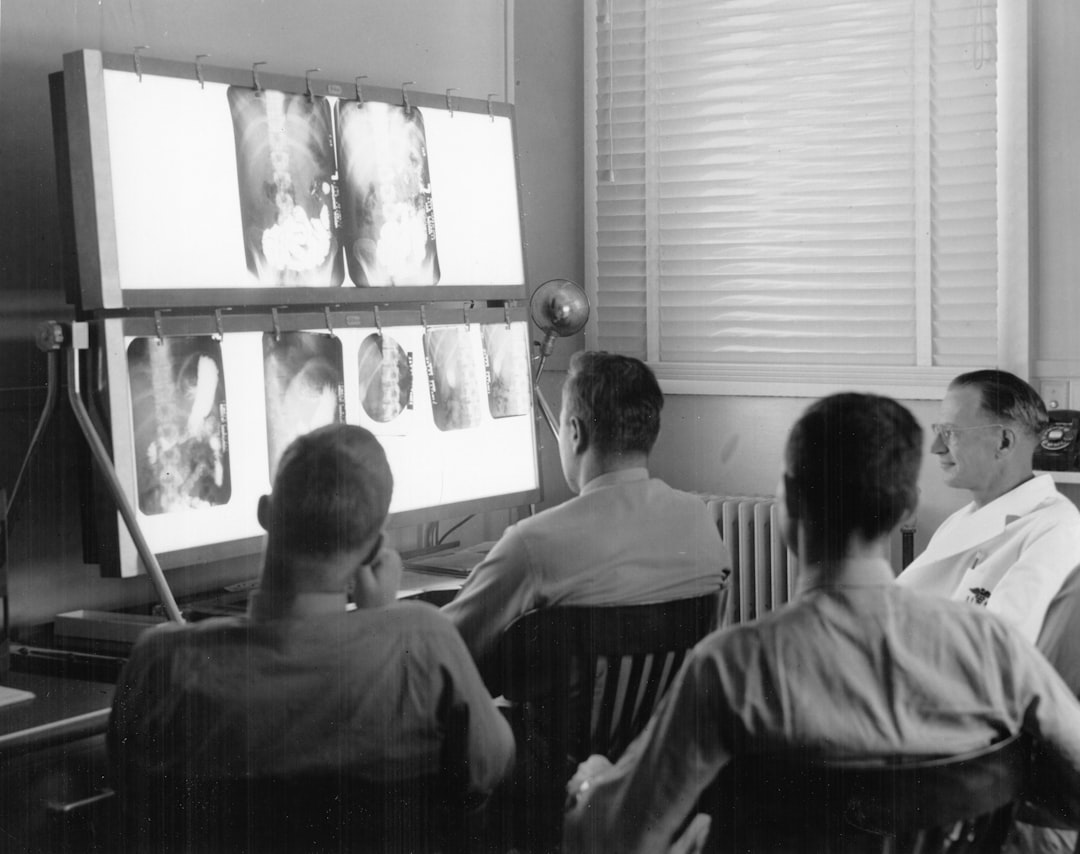
Clearer Images, Better Diagnoses
Good software does more than display images. It enhances them.
Radiologists can adjust:
- Brightness
- Contrast
- Zoom level
- Image orientation
They can also use advanced tools like:
- 3D reconstruction
- Multiplanar reformats
- Measurement tools
- Annotation markers
These tools help doctors see tiny fractures. Or small tumors. Or subtle bleeding.
A clearer image reduces guesswork. And less guesswork means fewer errors.
Artificial Intelligence Joins the Team
AI is now part of many radiology platforms. It acts like a smart assistant.
AI algorithms can:
- Detect lung nodules
- Flag possible brain bleeds
- Identify fractures
- Measure organ volumes
AI does not replace radiologists. It supports them. It highlights areas of concern. It prioritizes urgent cases.
For example, if the system detects signs of a pulmonary embolism, it can push that scan to the top of the reading list.
This saves time. It can even save lives.
Image not found in postmeta
Structured Reporting Made Easy
Writing reports used to be time-consuming. Radiologists dictated notes. Someone transcribed them. Edits were common.
Now, many imaging platforms include structured reporting tools.
These tools offer:
- Pre-built templates
- Voice recognition
- Auto-filled measurements
- Standardized language
Structured reports are clear and consistent. Referring physicians can quickly find key findings. No long paragraphs to decode.
And because templates follow clinical guidelines, compliance improves too.
Seamless Integration with Hospital Systems
Radiology imaging software does not work alone. It connects with other systems such as:
- EHR (Electronic Health Records)
- RIS (Radiology Information Systems)
- Billing platforms
This integration means patient data is synced automatically. No double data entry. Fewer mistakes.
For example, when a doctor orders a CT scan in the EHR, that information flows directly into the radiology system. The technologist sees the order instantly.
When the report is finalized, it flows back into the patient’s chart.
Everything stays connected.
Better Collaboration
Healthcare is a team effort. Imaging software makes teamwork easier.
Radiologists can share images with other specialists in real time. Surgeons can review scans before operations. Oncologists can track tumor changes over months.
Some platforms even allow screen sharing during live consultations. A radiologist in New York can discuss a case with a doctor in London.
This level of collaboration improves diagnostic confidence.
Image not found in postmeta
Workflow Automation Reduces Burnout
Radiologists read hundreds of scans per week. Sometimes more.
Burnout is a real problem. Long hours. Heavy workloads. High pressure.
Imaging software helps by automating repetitive tasks.
Examples include:
- Auto-routing cases to available radiologists
- Prioritizing urgent studies
- Sending automatic notifications when reports are ready
- Tracking turnaround times
When the system handles logistics, doctors can focus on diagnosis. That makes work more manageable.
Data Security and Compliance
Medical images contain sensitive information. Security is critical.
Modern radiology platforms use:
- Data encryption
- Role-based access controls
- Audit trails
- Secure cloud storage
These features protect patient privacy. They also help hospitals meet legal requirements.
A secure system builds trust. And trust is key in healthcare.
Mobile and Remote Access
Radiology is no longer tied to one room.
With secure web-based viewers, radiologists can review images from home. Or while on call. All they need is a laptop and secure login.
This flexibility speeds up off-hour diagnoses. Emergency cases do not have to wait until morning.
Patients benefit from faster answers. Doctors benefit from more flexible schedules.
Analytics and Performance Tracking
Imaging software also collects data about the workflow itself.
Hospitals can track:
- Average report turnaround time
- Number of cases per radiologist
- Peak workload hours
- Error rates
This data helps managers spot inefficiencies. They can adjust staffing. Improve scheduling. Add resources where needed.
In short, the software not only reads images. It improves the whole system.
Improving Patient Experience
Patients may never see the radiology software. But they feel its impact.
Faster workflows mean:
- Shorter waiting times
- Quicker diagnoses
- Earlier treatment
Some platforms even allow patients to access their images online. This promotes transparency. It also makes second opinions easier.
When results come quickly, anxiety decreases. That alone makes a big difference.
The Future Looks Bright
Radiology imaging software is still evolving.
Future innovations may include:
- More advanced AI models
- Predictive analytics for disease risk
- Fully automated preliminary reports
- Deeper integration with wearable health devices
Imagine software that not only detects a tumor but predicts how it will grow. Or suggests personalized treatment options based on imaging patterns.
That future is closer than many think.
Final Thoughts
Radiology imaging software is the quiet hero of modern medicine. It speeds up workflows. It reduces errors. It supports doctors with smart tools and AI.
Most importantly, it helps patients get answers faster.
Simple tools. Powerful impact. Better care.
As healthcare grows more complex, smart imaging systems will become even more important. They turn data into insight. Insight into action. And action into better outcomes.
That is the power of radiology imaging software.