
Smart lighting systems have evolved from novelty gadgets into powerful tools that enhance home ambiance, security, and energy efficiency. With advances in LED technology, wireless connectivity, and intelligent automation, today’s smart lighting solutions offer homeowners precise control over brightness, color temperature, scheduling, and integration with broader smart home ecosystems. Choosing the right system, however, requires careful evaluation of reliability, compatibility, long-term savings, and security features.
TLDR: Smart lighting systems can significantly improve ambiance, strengthen home security, and reduce electricity costs when chosen wisely. Leading options like Philips Hue, LIFX, Lutron Caséta, and TP-Link Kasa offer dependable performance and diverse features. The best system for you depends on integration needs, budget, and desired automation level. Investing in a reputable, scalable solution ensures long-term value and efficiency.
Why Smart Lighting Matters
Lighting influences more than visibility. It affects mood, productivity, safety, and overall comfort. Smart systems allow homeowners to shift from static, one-size-fits-all lighting toward adaptive, responsive environments. Beyond aesthetics, these systems contribute to measurable energy savings and enhanced home security.
- Ambiance: Adjustable color temperature and brightness allow precise mood setting.
- Security: Automated schedules and remote control simulate occupancy.
- Energy efficiency: LED technology combined with automation reduces unnecessary power use.
- Convenience: Voice assistants and mobile apps provide centralized control.
When assessing smart lighting systems, key evaluation criteria include compatibility with existing smart home platforms, ease of installation, reliability of wireless connections, and ongoing software support.
1. Philips Hue: Industry Benchmark for Versatility
Philips Hue remains one of the most established and comprehensive smart lighting ecosystems available. Known for its reliability and extensive product range, it offers bulbs, light strips, outdoor lighting, and fixtures compatible with major platforms such as Amazon Alexa, Google Home, and Apple HomeKit.

Key Advantages:
- Wide color spectrum: Up to 16 million colors plus adjustable white tones.
- Hue Bridge stability: A dedicated hub ensures strong connectivity and reduced Wi-Fi congestion.
- Advanced automation: Geofencing, sunrise routines, and integration with security systems.
- Extensive ecosystem: Indoor and outdoor solutions with seamless expansion.
For ambiance, Philips Hue excels with scene customization and synchronization with music or media. From a security perspective, timed routines and remote access give homeowners effective occupancy simulation. While it carries a higher upfront cost, its durability and regular software updates justify the investment.
2. LIFX: High Brightness Without a Hub
LIFX distinguishes itself with powerful, vibrant bulbs that connect directly to Wi-Fi without requiring an additional hub. This simplifies setup and lowers initial costs.
Strengths:
- No hub required: Direct Wi-Fi connectivity.
- Exceptional brightness: Ideal for larger rooms.
- Rich color performance: Deep saturation for dramatic effects.
- Integration: Compatible with major voice assistants.
LIFX bulbs are particularly effective for dynamic lighting designs, accent walls, and entertainment spaces. However, because each bulb connects individually to Wi-Fi, network strain can increase in larger installations. For smaller homes or apartments, LIFX offers a strong balance of simplicity and advanced functionality.
3. Lutron Caséta: Reliability and Professional-Grade Control
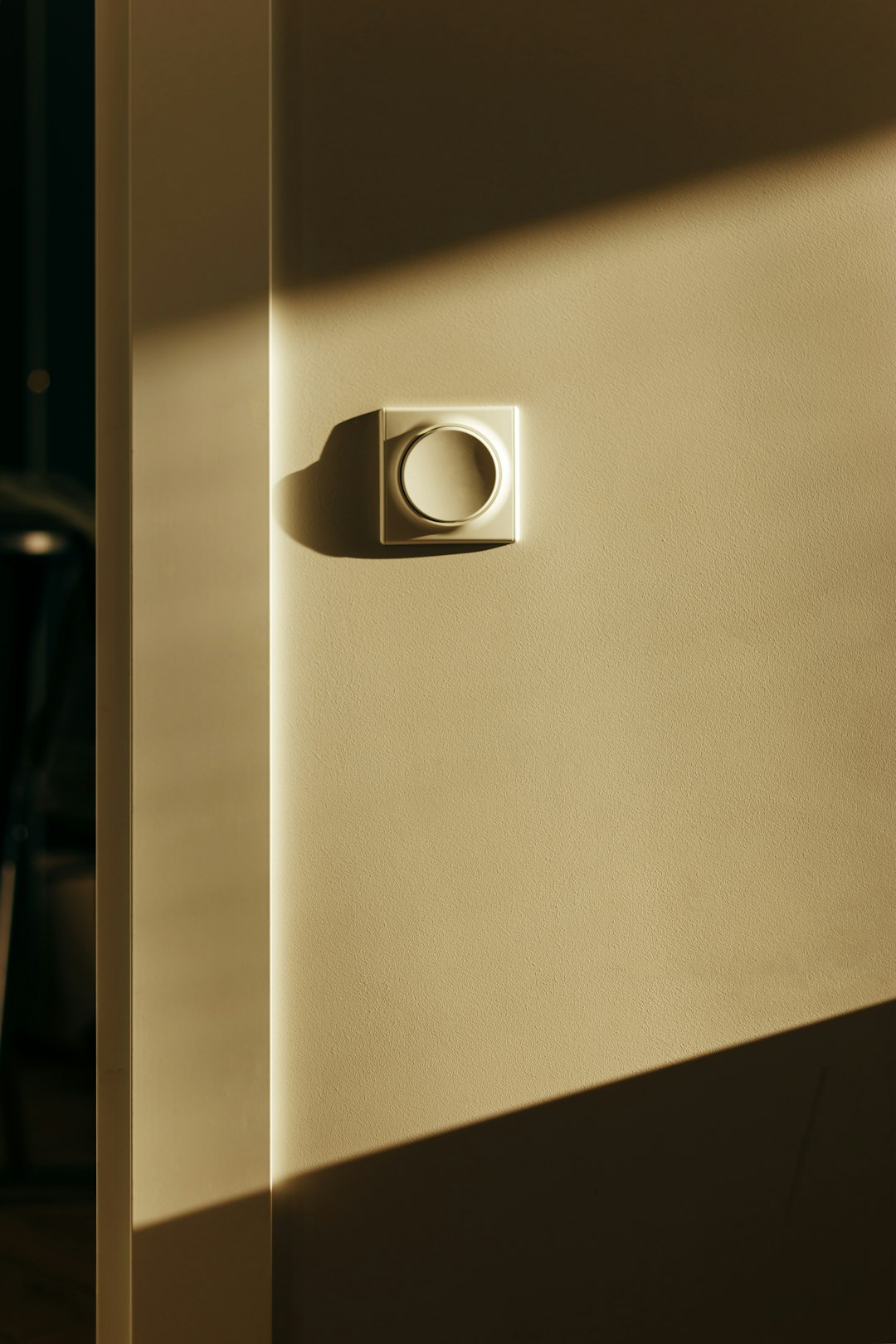
Lutron Caséta approaches smart lighting from a slightly different angle. Instead of focusing primarily on color-changing bulbs, it emphasizes smart dimmer switches and integrated lighting control systems.
Notable Features:
- Dimmer-based system: Works with existing bulbs.
- Ultra-reliable Clear Connect technology: Minimal interference.
- Professional-grade integration: Compatible with security and shading systems.
- Physical controls: Wall-mounted remotes for guests and manual operation.
Because it replaces switches rather than bulbs, Lutron Caséta is particularly suited for homeowners seeking whole-home reliability and seamless aesthetic integration. From a security standpoint, its stable connectivity ensures lighting schedules operate consistently, even in larger properties.
4. TP-Link Kasa Smart: Affordable and Dependable
For budget-conscious consumers seeking dependable performance, TP-Link Kasa Smart provides a practical entry point. Kasa offers both bulbs and smart plugs with easy app-based control.
Advantages:
- Affordable pricing: Lower cost per bulb.
- Simple installation: No hub required.
- Scheduling and timers: Basic but effective automation.
- Voice integration: Works with Alexa and Google Assistant.
While Kasa may not provide the advanced color range or ecosystem depth of premium brands, it is reliable for essential automation and energy-saving routines.
Enhancing Ambiance with Smart Lighting
Ambiance extends beyond color selection. It involves layering, dimming precision, and contextual automation. The best systems enable:
- Warm-to-cool temperature adjustments: Warmer tones for relaxation, cooler for productivity.
- Scene presets: Morning boost, evening unwind, dinner mode.
- Zoning: Independent control of different rooms or areas.
Lighting synced to circadian rhythms can also support better sleep patterns and daytime alertness. Smart systems can gradually brighten in the morning to simulate sunrise and dim slowly in the evening to encourage relaxation.
Strengthening Home Security
Smart lighting plays a subtle yet critical role in home security. Strategically automated lights deter potential intruders by creating the appearance of occupancy. Leading systems integrate with cameras, motion sensors, and alarm platforms.
Effective Security Uses:
- Randomized scheduling: Prevents predictable lighting patterns.
- Motion-triggered outdoor lights: Immediate visibility around entry points.
- Remote override: Immediate activation via smartphone.
- Vacation mode: Simulated occupancy while away.
For comprehensive protection, pairing smart lighting with door sensors and security cameras multiplies effectiveness. Lighting responses triggered by detected motion provide both deterrence and situational awareness.
Energy Savings and Long-Term Cost Benefits
Modern LED smart bulbs consume significantly less power than traditional incandescent or halogen alternatives. Combined with automation, the savings become more substantial over time.
Where Savings Occur:
- Reduced idle time: Automatic shutoff when rooms are vacant.
- Dimming efficiency: Lower energy draw at reduced brightness.
- Remote monitoring: Avoid leaving lights on unnecessarily.
Although smart bulbs are more expensive upfront, their extended lifespan—often exceeding 15,000 to 25,000 hours—reduces replacement frequency. Over several years, lower energy consumption and durability offset initial investment.
Key Considerations Before Purchasing
Before selecting a system, homeowners should evaluate:
- Compatibility: Ensure integration with existing smart assistants and hubs.
- Scalability: Choose a system that can grow with your needs.
- Network capacity: Confirm your Wi-Fi can handle multiple devices.
- Security protocols: Prefer brands with strong encryption and regular updates.
- Warranty and support: Long-term reliability depends on ongoing manufacturer backing.
It is often advisable to begin with a starter kit and expand gradually, observing performance and ease of use before scaling further.
Conclusion
Smart lighting systems represent a practical and forward-looking investment in home improvement. Whether your primary objective is creating refined ambiance, enhancing security measures, or lowering electricity costs, reputable systems such as Philips Hue, LIFX, Lutron Caséta, and TP-Link Kasa provide proven solutions.
The most effective choice depends on property size, budget, desired feature depth, and integration needs. By prioritizing reliability, scalability, and security, homeowners can transform lighting from a passive utility into a dynamic component of a safer, more efficient, and more comfortable living environment.
Careful selection today ensures not only immediate aesthetic benefits but also long-term operational savings and strengthened peace of mind.