
QR codes have become a practical bridge between offline attention and online action. For marketers, brand managers, event teams, retailers, restaurants, publishers, and agencies, a reliable QR code generator is no longer just a convenience; it is part of campaign infrastructure. The right platform can help you create branded codes, track scans, update destinations, segment audiences, and measure whether print, packaging, signage, or out of home media is producing real engagement.
TLDR: The best QR code generators for marketing offer more than basic code creation: they provide dynamic QR codes, customization, analytics, campaign management, and security features. For professional use, prioritize platforms that support editable destinations, scan tracking, branded design, and team workflows. This article reviews 18 serious QR code generators suitable for branding, advertising, events, retail, and digital campaigns.
What to Look for in a Marketing QR Code Generator
Before choosing a tool, it is important to understand the difference between a simple QR code and a campaign-ready QR code. A basic static QR code points to one fixed destination and cannot be changed after printing. A dynamic QR code, by contrast, routes through a managed link that can be edited later. This matters for posters, packaging, brochures, product labels, restaurant menus, and event materials where reprinting is expensive or impractical.
For marketing and branding, the most important features include:
- Dynamic destination editing so campaigns can be updated after launch.
- Scan analytics including device, location, date, time, and campaign source.
- Brand customization such as colors, logos, frames, and calls to action.
- High resolution exports for print, packaging, signage, and large format use.
- Team access and permissions for agencies and marketing departments.
- Security and reliability, especially for customer facing campaigns.
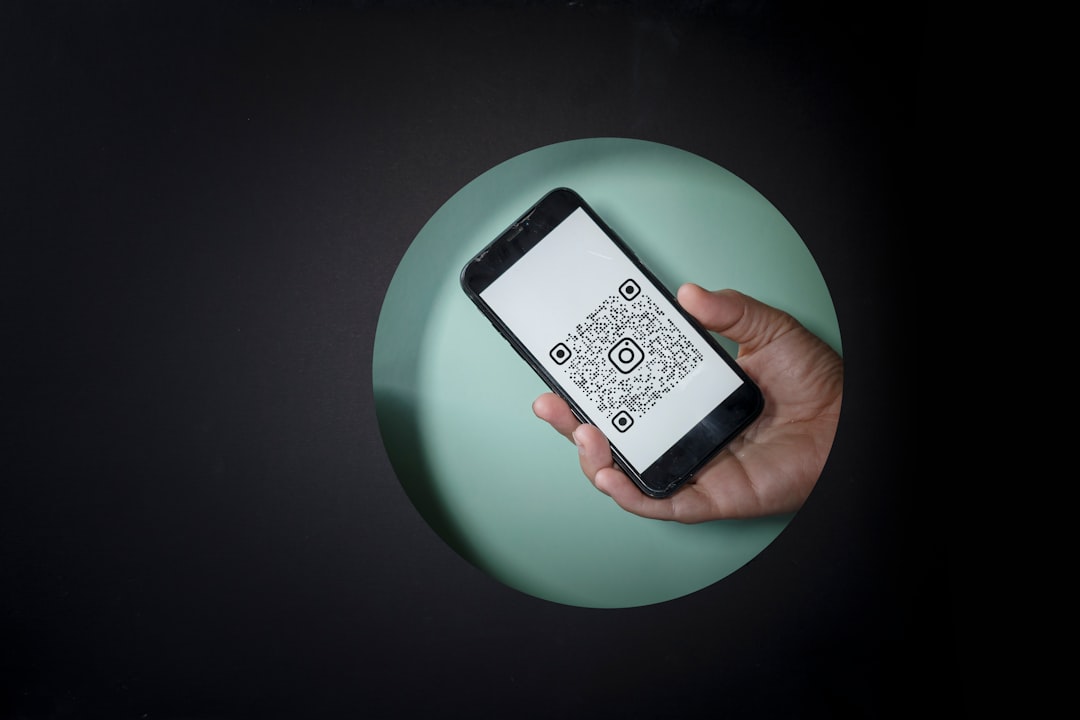
18 QR Code Generators for Marketing, Branding, and Digital Campaigns
1. QR Code Generator Pro
QR Code Generator Pro is a well known option for businesses that need branded, dynamic QR codes with analytics. It supports multiple QR code types, including website links, PDFs, vCards, app downloads, social pages, and landing pages. Its dashboard is straightforward, making it suitable for marketing teams that want a professional tool without an overly technical setup.
Best for: Businesses that need reliable campaign tracking and polished branded codes.
2. Bitly QR Codes
Bitly is widely recognized for link management, and its QR code features are useful for organizations already using short links and campaign tracking. Marketers can combine shortened links, QR codes, UTM parameters, and analytics in one workflow. This is especially valuable when teams want a unified view of clicks and scans across channels.
Best for: Brands that already use Bitly for link management and attribution.
3. Uniqode
Uniqode, formerly known as Beaconstac, is designed for enterprise grade QR code campaigns. It offers dynamic QR codes, advanced analytics, custom domains, bulk creation, retargeting options, and strong governance features. It is particularly useful for larger companies that need scalable QR code management across departments or regions.
Best for: Enterprise marketing teams, agencies, and multi location brands.
4. Scanova
Scanova provides a robust set of QR code options for marketing, including dynamic QR codes, landing pages, event registrations, document sharing, and lead generation. Its design tools allow users to add logos, select patterns, and create more visually distinctive QR codes. Scanova is also useful for campaigns where forms, lists, and digital content need to be connected quickly.
Best for: Campaigns involving lead capture, event promotion, and branded print materials.
5. QR TIGER
QR TIGER is a popular professional QR code platform offering dynamic QR codes, analytics, bulk generation, API access, and multiple content formats. Marketers can create QR codes for URLs, social media, videos, menus, WiFi, files, coupons, and app downloads. It is especially practical for businesses that need a balance between design flexibility and performance data.
Best for: Small to midsize businesses that want flexible features at a practical scale.
6. Flowcode
Flowcode emphasizes branded QR experiences and is often used for consumer engagement campaigns, events, packaging, and media activations. Its visual QR code styles are distinctive, and the platform supports landing pages, analytics, and audience engagement tools. Flowcode is a strong choice when the QR code itself needs to look less generic and more integrated with the brand.
Best for: Consumer brands, entertainment campaigns, and visually driven promotions.
7. Canva QR Code Tools
Canva includes QR code creation within its design environment, making it useful for marketers who need to place QR codes inside posters, flyers, menus, business cards, and social graphics. While it may not offer the same advanced dynamic analytics as dedicated enterprise platforms, it is convenient for quick design projects where layout and presentation are the priority.
Best for: Fast branded design work, simple campaigns, and internal marketing materials.
8. Adobe Express QR Code Generator
Adobe Express offers a simple QR code generator that fits naturally into a design focused workflow. Users can create clean QR codes and use them within digital or print assets. It is best suited to straightforward campaigns rather than complex tracking environments, but it benefits from Adobe’s broader ecosystem for visual content creation.
Best for: Designers and marketers creating polished assets quickly.
9. Hovercode
Hovercode is a practical QR code generator with dynamic QR code support, customization, and analytics. It offers a clean user experience and is particularly approachable for small businesses and creators. Marketers can generate codes for common use cases such as websites, menus, contact cards, and campaign landing pages.
Best for: Small businesses that want dynamic QR codes without unnecessary complexity.

10. The QR Code Generator
The QR Code Generator is a straightforward tool for creating QR codes for URLs, text, email, phone numbers, SMS, and WiFi. It is useful for simple business needs and quick deployments. For marketers planning long running campaigns, it is important to check which features are static and which are dynamic before relying on it for printed materials.
Best for: Quick QR creation and simple business use cases.
11. ME QR
ME QR supports a wide range of QR code types, including links, images, PDFs, social media, apps, audio, video, and maps. It also offers statistics and customization options. The platform is useful for marketers who need to connect physical materials to rich media content without building separate landing pages from scratch.
Best for: Content rich campaigns, multimedia promotions, and local business marketing.
12. QRStuff
QRStuff has been available for many years and supports numerous QR code data types. It can generate codes for URLs, plain text, phone numbers, emails, locations, social profiles, and payments. Its broad functionality makes it useful for practical business applications, although professional marketers should evaluate its dynamic and analytics features based on campaign needs.
Best for: Users who need many QR code formats and straightforward generation.
13. Kaywa
Kaywa is one of the older names in QR code services and offers business oriented QR management. It supports dynamic QR codes, campaign management, and tracking. While its interface may feel more traditional than some newer platforms, it remains relevant for organizations that value stability and established QR code functionality.
Best for: Businesses seeking established QR code management with tracking.
14. Visualead
Visualead focuses on visually integrated QR codes that can blend into images and branded designs. This approach can make codes more appealing for advertising and packaging, especially when aesthetics are important. However, marketers should always test scannability carefully, as overly stylized QR codes can sometimes reduce performance if contrast or structure is compromised.
Best for: Design led campaigns where QR codes must support the visual identity.
15. uQR.me
uQR.me provides dynamic QR code creation, editable content, campaign management, and analytics. It is suitable for business cards, menus, product information, events, and promotional materials. Its emphasis on editable QR codes makes it a practical choice for campaigns where destinations may change over time.
Best for: Businesses that need ongoing control over printed QR code destinations.
16. BL.INK
BL.INK is primarily a link management platform, but its QR capabilities can be useful for professional campaign tracking. For organizations focused on attribution, branded short links, and governance, combining QR codes with structured link management can improve reporting discipline. It is especially relevant for teams that care about data integrity and campaign naming conventions.
Best for: Data driven marketing teams and organizations with link governance needs.
17. Short.io QR Codes
Short.io is another link management platform that supports QR code generation for branded short links. It can be useful when marketers want QR codes tied to custom domains, segmented links, and analytics. For brands that value consistent link branding, this approach can be stronger than using generic QR redirect URLs.
Best for: Brands that want QR codes connected to custom short domains.
18. Google Chrome Built In QR Code Generator
Google Chrome includes a simple built in QR code option for sharing web pages. It is not a full marketing platform and does not provide advanced branding, dynamic editing, or analytics. However, it can be useful for quick internal sharing, testing, or low risk use cases where tracking is not required.
Best for: Informal sharing, quick tests, and non campaign use.
How to Choose the Right QR Code Generator
The best QR code generator depends on the seriousness of the campaign. If you are printing a QR code on thousands of product packages, do not rely on a basic static tool. Use a platform that offers dynamic editing, high resolution downloads, and reliable analytics. If you are creating a temporary poster for a small internal event, a simpler tool may be enough.
For brand campaigns, consider how the QR code will appear in the customer journey. A code on a luxury package, a trade show booth, or a retail window should feel intentional. Add a short call to action such as “Scan for product details”, “Scan to claim offer”, or “Scan to register”. A QR code without context often performs poorly because users do not know what they will receive.

Best Practices for Marketing QR Codes
- Test before publishing: Scan the code on multiple phones, operating systems, lighting conditions, and distances.
- Use sufficient contrast: Dark codes on light backgrounds usually scan best.
- Include a clear benefit: Tell users what happens after scanning.
- Track with UTM parameters: Connect QR performance to your analytics platform.
- Avoid overcrowded designs: Branded QR codes should still be simple enough to scan reliably.
- Use dynamic codes for print: Printed materials should never be locked to a destination that may change.
Final Thoughts
QR codes are effective when they are treated as measurable campaign assets rather than decorative add ons. The strongest QR code generators help marketers create branded codes, manage destinations, analyze scans, and improve performance over time. For serious marketing, branding, and digital campaigns, tools such as Uniqode, QR TIGER, Scanova, Flowcode, Bitly, and QR Code Generator Pro are especially worth evaluating.
Ultimately, the right choice should match your campaign risk, brand standards, reporting needs, and operational scale. A reliable QR code can turn packaging, signage, print advertising, direct mail, menus, and event displays into measurable digital entry points. Used carefully, it can make offline marketing more accountable, flexible, and connected to real customer behavior.