
Advanced email marketing software has become a central system for organizations that want to communicate with audiences at scale while maintaining relevance, consistency, and measurable performance. Rather than sending one-off campaigns to broad contact lists, modern platforms enable marketing teams to automate journeys, personalize content, monitor behavior, and connect email activity to revenue outcomes.
TLDR: Advanced email marketing software helps businesses automate campaigns, segment audiences, personalize messages, and track performance from a single platform. It improves efficiency by sending the right message to the right person at the right time based on behavior, preferences, and lifecycle stage. Strong reporting tools reveal what is working, what needs improvement, and how email contributes to engagement, sales, and customer retention.
Why Advanced Email Marketing Software Matters
Email remains one of the most reliable digital marketing channels because it gives organizations direct access to subscribers, customers, and prospects. However, as audiences grow and customer journeys become more complex, basic newsletter tools often fall short. Advanced email marketing software gives teams the ability to manage sophisticated communication strategies without manually building every message, list, or follow-up.
These platforms are especially valuable because they combine automation, segmentation, personalization, and performance tracking. A business can welcome new subscribers, nurture leads, recover abandoned carts, re-engage inactive customers, and reward loyal buyers through automated workflows that operate continuously in the background.
The result is a more intelligent email program that reacts to customer behavior rather than relying only on fixed campaign calendars.
Core Automation Capabilities
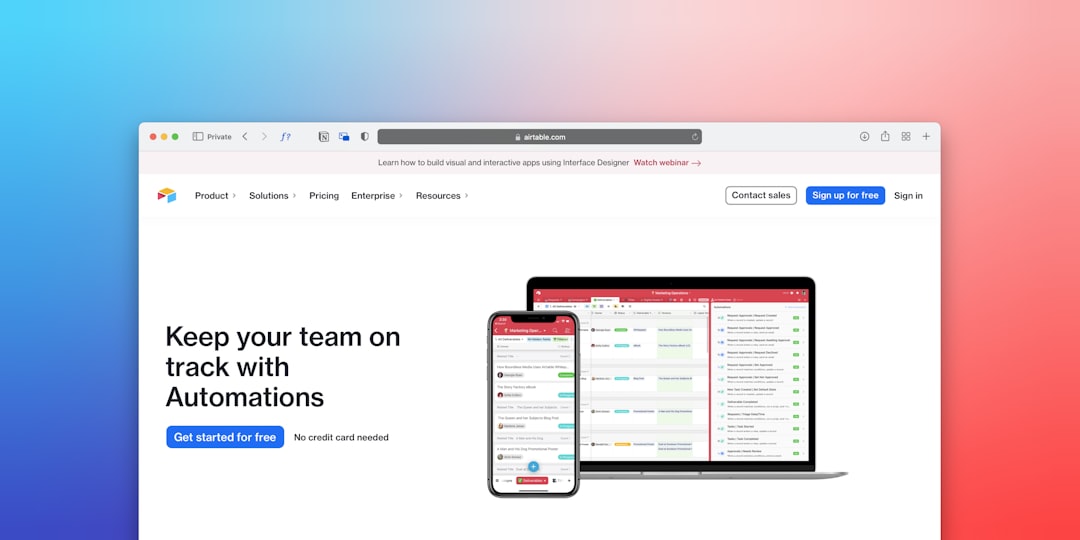
Automation is one of the defining features of advanced email marketing software. It allows marketers to build sequences of messages triggered by specific events, actions, or conditions. These workflows can range from simple welcome emails to complex multi-step customer journeys with branching logic.
Common automation workflows include:
- Welcome sequences: A series of emails that introduces new subscribers to a brand, product, or service.
- Lead nurturing campaigns: Automated messages that educate prospects and move them closer to conversion.
- Abandoned cart reminders: Emails sent when shoppers leave items in a cart without completing a purchase.
- Post-purchase follow-ups: Messages that confirm satisfaction, request reviews, or recommend related products.
- Re-engagement campaigns: Emails designed to win back contacts who have stopped opening or clicking.
- Customer loyalty programs: Automated rewards, milestone messages, or VIP offers based on purchase behavior.
Advanced tools often include visual workflow builders, allowing teams to map out journeys with triggers, delays, conditions, and actions. For example, if a subscriber clicks a link about a specific product category, the software can move that person into a targeted sequence featuring related case studies, offers, or educational content.
Segmentation and Audience Targeting
Effective email marketing depends on sending messages that match the needs and interests of different audience groups. Advanced platforms make this possible through detailed segmentation. Instead of treating all contacts the same, marketers can divide audiences based on behavior, demographics, purchase history, engagement level, location, lifecycle stage, or custom data fields.
Segmentation can be simple or highly sophisticated. A retailer may create segments for first-time buyers, repeat customers, high-value customers, and dormant shoppers. A software company may segment leads based on company size, industry, product interest, or trial activity. A nonprofit may segment supporters by donation frequency, event participation, or volunteer interest.
Dynamic segmentation is particularly powerful because contacts automatically enter or leave segments as their behavior changes. If a subscriber makes a purchase, the person can be removed from a prospect list and added to a customer onboarding sequence. If a customer has not engaged for several months, the software can add that contact to a reactivation campaign.
Personalization Beyond First Names
Basic personalization often means inserting a recipient’s first name into a subject line or greeting. Advanced email marketing software goes much further by tailoring content based on individual data and behavior. This may include product recommendations, location-specific offers, personalized content blocks, loyalty status, browsing history, or past purchases.
For example, an online store can send different product suggestions to customers based on what they viewed or bought previously. A training company can recommend courses based on a subscriber’s job role or completed lessons. A travel brand can promote destinations based on a customer’s preferred region, budget, or booking history.
When personalization is used thoughtfully, emails feel less like mass promotions and more like relevant conversations. This relevance can increase open rates, click-through rates, conversions, and long-term customer satisfaction.
Performance Tracking and Analytics
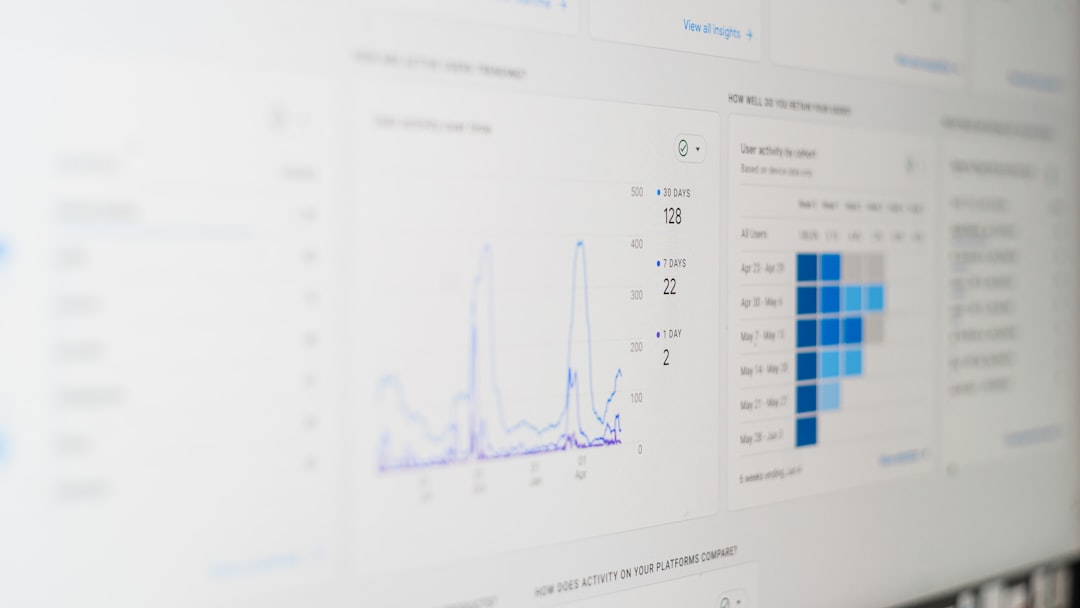
Performance tracking is another essential advantage of advanced email marketing software. Strong analytics help organizations understand how campaigns are performing and where improvements are needed. Instead of relying on assumptions, teams can make decisions based on real data.
Important email marketing metrics include:
- Open rate: The percentage of recipients who open an email.
- Click-through rate: The percentage of recipients who click a link inside an email.
- Conversion rate: The percentage of recipients who complete a desired action, such as purchasing or registering.
- Bounce rate: The percentage of emails that cannot be delivered.
- Unsubscribe rate: The percentage of recipients who opt out after receiving an email.
- Spam complaint rate: The percentage of recipients who mark an email as spam.
- Revenue per email: The amount of revenue generated by a campaign or automation.
- Customer lifetime value: The long-term revenue associated with contacts influenced by email.
Advanced reporting dashboards often display trends over time, campaign comparisons, engagement by segment, device usage, geographic performance, and revenue attribution. These insights help teams determine which subject lines, offers, content formats, and timing strategies are most effective.
A/B Testing and Optimization
A/B testing, also known as split testing, allows marketers to compare different versions of an email to see which performs better. Advanced email marketing software may support testing for subject lines, preview text, sender names, call-to-action buttons, content layouts, images, offers, and send times.
For instance, one version of an email may use a direct subject line focused on a discount, while another may use a curiosity-based subject line. The software sends each version to a sample of the audience and identifies the winner based on open rate, click rate, or conversions. The winning version can then be sent to the remaining audience automatically.
Optimization is not limited to individual campaigns. Over time, testing results can reveal broader patterns about what motivates an audience. Marketing teams may discover that educational content outperforms promotional offers in early-stage nurture campaigns, while limited-time discounts perform better for customers with high purchase intent.
Integrations with CRM, Ecommerce, and Sales Tools
Advanced email marketing software becomes more valuable when it integrates with other business systems. Integrations allow data to move between platforms, creating a more complete view of each contact. Common integrations include customer relationship management systems, ecommerce platforms, analytics tools, webinar software, customer support systems, and payment processors.
When email software is connected to a CRM, sales and marketing teams can coordinate communication more effectively. A lead’s email engagement can help sales representatives understand interest level and timing. If a prospect clicks multiple emails about a specific service, that behavior may signal readiness for a follow-up conversation.
For ecommerce businesses, integrations can sync product catalogs, purchase history, cart activity, order status, and customer value. This enables automated campaigns such as abandoned cart emails, replenishment reminders, product recommendations, and win-back offers.
Deliverability and Compliance Features
Even the most carefully designed email campaign has limited value if it does not reach the inbox. Advanced platforms include deliverability tools that help maintain sender reputation and improve inbox placement. These may include bounce management, spam testing, authentication support, list cleaning, engagement monitoring, and suppression management.
Compliance is also a critical consideration. Email marketing software often includes tools that support consent management, unsubscribe handling, preference centers, and data privacy requirements. Depending on the region and audience, organizations may need to follow regulations such as GDPR, CAN-SPAM, or other privacy laws.
Responsible email marketing depends on permission, transparency, and respect for subscriber preferences. Advanced platforms make it easier to manage these responsibilities at scale.

How Automation Improves Team Efficiency
Automation does not replace strategy or creativity; it reduces repetitive work so marketing teams can focus on higher-value tasks. Once workflows are properly designed, reviewed, and optimized, they can run continuously while still feeling timely and relevant to subscribers.
This efficiency is especially important for growing organizations. A small team can manage thousands or millions of personalized interactions without building every email manually. Automated systems can handle routine communication, while marketers focus on campaign planning, content development, audience research, and performance analysis.
Automation also improves consistency. New leads receive the same carefully planned onboarding journey. Customers receive timely post-purchase communication. Inactive subscribers receive re-engagement attempts before being removed from active lists. These processes help create a more organized and professional customer experience.
Choosing the Right Advanced Email Marketing Platform
Selecting the right software requires more than comparing prices or feature lists. The best platform depends on an organization’s goals, audience size, technical resources, data structure, and marketing maturity. A small ecommerce brand may prioritize cart recovery and product recommendations, while a B2B company may focus on lead scoring, CRM integration, and nurture workflows.
Key factors to evaluate include:
- Ease of use: The platform should offer a clear interface for building campaigns, workflows, and reports.
- Automation depth: The software should support the triggers, conditions, and branching logic needed for complex journeys.
- Segmentation options: The system should allow flexible targeting using behavioral, demographic, and transactional data.
- Analytics quality: Reports should connect email activity to engagement, conversions, and revenue.
- Integration ecosystem: The platform should connect smoothly with existing sales, ecommerce, analytics, and customer data tools.
- Scalability: The software should support growth in contact volume, campaign complexity, and data needs.
- Deliverability support: The provider should offer tools and guidance for maintaining strong inbox placement.
- Compliance features: Consent, preferences, and unsubscribe management should be easy to maintain.
Best Practices for Long-Term Success
Advanced software delivers the greatest value when paired with a thoughtful strategy. Organizations should avoid automating poor communication practices or overwhelming subscribers with too many messages. Instead, they should build journeys around customer needs, intent, and timing.
Successful teams often follow several best practices:
- Start with clear goals: Each campaign or workflow should have a defined purpose, such as onboarding, education, conversion, retention, or reactivation.
- Maintain clean data: Accurate contact data improves segmentation, personalization, and reporting.
- Use behavior-based triggers: Messages should respond to meaningful actions such as clicks, purchases, downloads, or inactivity.
- Monitor engagement: Low engagement may indicate irrelevant content, poor timing, or list quality problems.
- Test continuously: Regular testing helps improve subject lines, content, offers, and workflows.
- Respect subscriber preferences: Preference centers and frequency controls can reduce unsubscribes and complaints.
- Review automation regularly: Workflows should be updated as products, offers, audience behavior, and business goals change.
The Future of Email Marketing Automation
The future of advanced email marketing software is likely to involve deeper use of artificial intelligence, predictive analytics, and real-time personalization. Platforms are already helping marketers identify optimal send times, predict customer churn, recommend content, and score leads based on engagement patterns.
As customer expectations continue to rise, email marketing will become more adaptive. Campaigns will respond more quickly to behavior across websites, apps, purchases, support interactions, and offline events. Performance tracking will also become more connected to broader business outcomes, allowing organizations to measure the full impact of email across the customer lifecycle.
Ultimately, advanced email marketing software is not just a tool for sending emails. It is a system for managing relationships, improving communication, and turning customer data into meaningful action. When used strategically, it helps organizations build trust, increase efficiency, and improve measurable marketing performance.
FAQ
What is advanced email marketing software?
Advanced email marketing software is a platform that helps organizations create, automate, personalize, and measure email campaigns. It typically includes features such as workflow automation, segmentation, analytics, testing, deliverability tools, and integrations with other business systems.
How does email automation improve marketing performance?
Email automation improves performance by sending timely and relevant messages based on subscriber behavior or lifecycle stage. This can increase engagement, reduce manual work, and help guide prospects or customers toward desired actions.
What metrics should be tracked in email marketing?
Important metrics include open rate, click-through rate, conversion rate, bounce rate, unsubscribe rate, spam complaints, revenue per email, and engagement by segment. Advanced teams also track customer lifetime value and attribution across campaigns.
Is personalization important in email marketing?
Yes. Personalization helps make messages more relevant to each recipient. Effective personalization may include product recommendations, content based on interests, location-specific offers, or messages tailored to purchase history and behavior.
How often should automated email workflows be reviewed?
Automated workflows should be reviewed regularly, especially when products, services, pricing, customer behavior, or business goals change. Many organizations review key automations quarterly and monitor performance metrics continuously.
What should a business consider when choosing email marketing software?
A business should evaluate automation capabilities, segmentation flexibility, reporting depth, integrations, ease of use, deliverability support, compliance tools, scalability, and overall alignment with marketing goals.