
Organizations that manage complex contracts, regulated funding, project cost accounting, and multi-entity operations need an ERP platform that does more than record transactions. JAMIS Prime M1 is commonly positioned as a serious, project-focused enterprise resource planning solution for government contractors, professional services firms, and other organizations that require disciplined financial control, audit-ready data, and operational visibility across the full contract lifecycle.
TLDR: JAMIS Prime M1 is an ERP platform designed for project-based organizations that need integrated accounting, contract management, purchasing, timekeeping, billing, and reporting. Its strengths are most relevant to companies operating in regulated or compliance-heavy environments, especially those that must track costs by project, contract, task, labor category, or funding source. The system is built to improve visibility, enforce controls, and support more reliable decision-making across finance and operations.
What Is JAMIS Prime M1?
JAMIS Prime M1 is an enterprise resource planning system centered on contract and project accounting. Rather than treating projects as a secondary reporting dimension, the platform is structured around the way project-driven organizations actually operate: contracts are awarded, budgets are established, labor and expenses are incurred, invoices are generated, and performance must be measured continuously.
For many organizations, the appeal of JAMIS Prime M1 is its ability to connect financial management with operational execution. Finance teams need accurate ledgers, compliance controls, and billing support. Project managers need real-time cost visibility, budget tracking, and forecast data. Executives need consolidated reporting and performance indicators. JAMIS Prime M1 is intended to bring these requirements into a single, integrated environment.
Image not found in postmeta
Core Purpose and Market Fit
JAMIS Prime M1 is especially relevant for organizations that must manage complex contract structures. This includes businesses that work with federal, state, or local government agencies, as well as firms that deliver engineering, consulting, research, construction management, technical services, or similar project-based work.
These organizations often face challenges such as:
- Strict cost tracking requirements across projects, tasks, phases, and cost elements.
- Complex billing rules, including cost-plus, time and materials, fixed price, and milestone-based billing.
- Regulatory compliance expectations, including audit trails and documentation.
- Labor distribution needs that require accurate time collection and cost allocation.
- Multi-entity or multi-location reporting for growing organizations.
- Management visibility into profitability, backlog, utilization, and contract performance.
Because of these requirements, a generic accounting package may become difficult to maintain as the business grows. JAMIS Prime M1 addresses this gap by combining ERP functions with industry-specific support for contract-driven operations.
Financial Management and Accounting
At the center of JAMIS Prime M1 is a financial management framework designed to support accurate, controlled, and timely accounting. The platform typically includes general ledger, accounts payable, accounts receivable, cash management, fixed assets, and financial reporting capabilities. These modules allow finance teams to process transactions while maintaining the structure necessary for project-level accountability.
A key advantage is the connection between the general ledger and project accounting. Costs are not simply posted to broad expense accounts; they can be associated with specific contracts, projects, tasks, departments, employees, vendors, and cost categories. This level of detail is important for organizations that must prove where funds were used and whether costs are allowable, allocable, and reasonable under applicable rules.
Auditability is another important theme. A serious ERP system must provide clear transaction histories, approval records, and supporting documentation. JAMIS Prime M1 is designed to help organizations reduce manual spreadsheet work, improve consistency, and make financial records easier to review.
Project and Contract Accounting
Project accounting is one of the strongest areas of focus for JAMIS Prime M1. In project-driven companies, the project is often the main unit of financial performance. Leaders need to know whether each contract is on budget, whether labor costs are trending higher than expected, and whether revenue recognition and billing are aligned with contract terms.
The platform supports detailed project structures that can reflect real-world contract requirements. This may include contract, project, task, subtask, funding source, contract line item, or work breakdown structure elements. By capturing costs and revenue at the right level, organizations gain more accurate performance reporting.
Important project accounting capabilities may include:
- Budget setup and control to establish planned costs and compare them against actual activity.
- Cost accumulation for labor, materials, subcontractors, travel, overhead, and other expenses.
- Revenue calculations based on contract type and billing method.
- Funding management to monitor authorized amounts and prevent overrun risk.
- Project profitability analysis across contracts, customers, departments, and business units.
This structure helps project managers and finance teams work from the same data rather than relying on separate systems or manually reconciled spreadsheets.
Time and Expense Management
For companies where labor is a major cost driver, timekeeping accuracy is essential. JAMIS Prime M1 includes time and expense functionality intended to capture employee labor, route approvals, and distribute costs to the correct project accounts. This is particularly important for government contractors and professional services organizations, where labor charging must be precise and well documented.
Employees can typically enter time against authorized projects and tasks, while managers review and approve submissions. Expense reporting can capture travel, materials, mileage, per diem, or other reimbursable costs. Once approved, the data flows into payroll, billing, and project cost records, reducing duplicate entry and improving consistency.
Reliable time and expense processing is not simply an administrative convenience. It directly affects billing accuracy, project margin reporting, labor utilization analysis, and compliance confidence.
Image not found in postmeta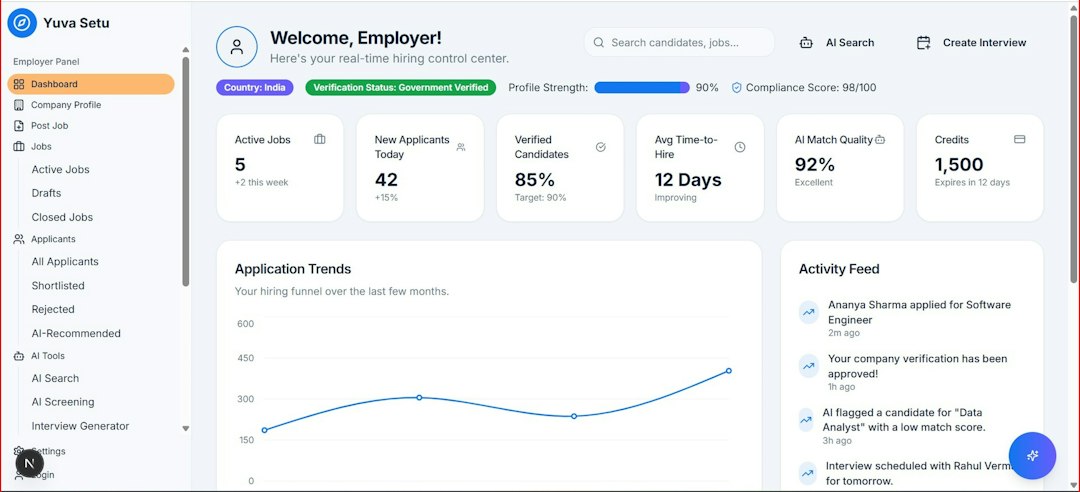
Billing and Revenue Management
Contract billing is often one of the most complex and risk-sensitive areas for project-based organizations. JAMIS Prime M1 supports billing processes that reflect different contract types, including time and materials, cost reimbursable, fixed price, and milestone arrangements. The goal is to generate accurate invoices based on approved costs, contract rules, rates, and funding limits.
Strong billing functionality can reduce revenue leakage and improve cash flow. When labor and expenses are captured properly, reviewed, and connected to billing rules, invoices can be produced more efficiently and with fewer disputes. The platform can also support documentation needs by tying invoice amounts back to underlying cost detail.
Revenue recognition is another major consideration. Organizations need to recognize revenue in accordance with their accounting policies and applicable standards. JAMIS Prime M1 provides a framework to support consistent revenue calculations and reporting, helping finance teams manage period-end close with better control.
Procurement and Subcontract Management
Many project-based organizations rely heavily on suppliers and subcontractors. JAMIS Prime M1 includes procurement-related features that help manage purchase requisitions, purchase orders, vendor records, receiving, approvals, and accounts payable integration. This creates a controlled process from request through payment.
Subcontract management is especially valuable when subcontractor costs must be charged to specific projects and tracked against funding or contract limitations. By integrating procurement data with project accounting, organizations can see committed costs in addition to actual posted costs. This improves forecasting and reduces the likelihood of unpleasant surprises late in the project lifecycle.
For management, visibility into open commitments, vendor performance, and projected cost exposure is critical. A well-integrated procurement process helps support responsible spending and more accurate project financial reviews.
Compliance and Internal Controls
Compliance is one of the most important reasons organizations evaluate ERP systems like JAMIS Prime M1. Companies working in regulated markets may need to satisfy customer audits, government reviews, internal control assessments, and strict documentation practices. A system that enforces rules at the transaction level can greatly reduce operational risk.
Useful control features may include role-based access, approval workflows, audit trails, segregation of duties, configurable business rules, and documented transaction histories. These controls help ensure that only authorized users can perform sensitive actions, that approvals are completed before transactions are posted, and that the organization can explain how financial results were produced.
While no ERP system automatically guarantees compliance, a purpose-built platform can provide the structure and evidence needed to maintain stronger discipline. For organizations subject to demanding oversight, this can be a significant advantage.
Reporting, Dashboards, and Business Intelligence
ERP value depends heavily on reporting. JAMIS Prime M1 provides reporting and analytics capabilities intended to give leaders timely insight into financial and operational performance. Instead of waiting for manually prepared month-end reports, managers can monitor key indicators such as project costs, billing status, utilization, receivables, backlog, and budget variance.
Typical reporting needs include:
- Project performance reports showing budget, actual cost, revenue, and margin.
- Contract funding reports to track authorized funds and remaining balances.
- Labor utilization reports for workforce planning and productivity measurement.
- Accounts receivable aging to support cash collection efforts.
- Executive dashboards summarizing operational health across the enterprise.
When reporting is tied directly to transaction records, the organization gains greater confidence in the numbers. This is especially important for board reporting, lender discussions, customer reviews, and strategic planning.
Image not found in postmeta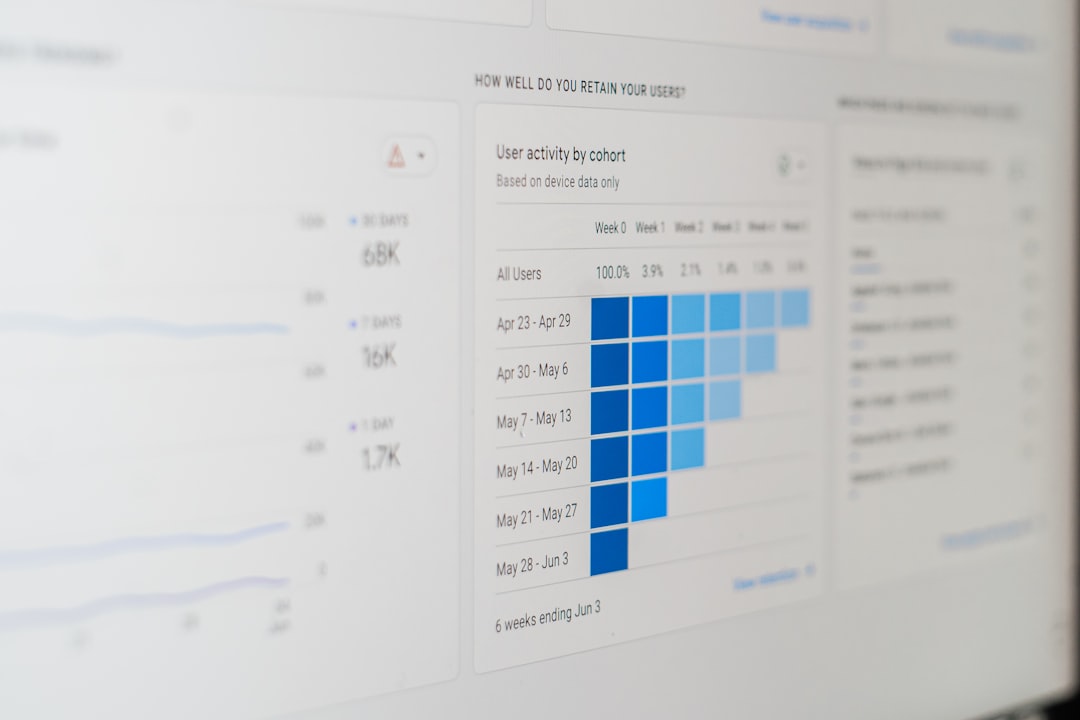
Cloud Accessibility and Modern ERP Expectations
Modern ERP buyers expect secure access, streamlined updates, and usability across distributed organizations. JAMIS Prime M1 is commonly associated with a cloud-based delivery model, which can reduce the burden of maintaining on-premises infrastructure. Cloud deployment may also benefit organizations with remote employees, multiple offices, or field-based teams that need access to time entry, approvals, and reporting tools.
From a business perspective, cloud ERP can support faster scalability and more consistent system availability. However, organizations should still evaluate security, data ownership, integration needs, service levels, backup policies, and implementation responsibilities before making a final decision.
Implementation Considerations
Adopting JAMIS Prime M1 should be treated as a serious business transformation project, not just a software installation. The value of the platform depends on clean master data, properly designed project structures, disciplined workflows, informed users, and strong executive sponsorship.
Key implementation priorities include:
- Chart of accounts and project structure design, ensuring that reporting needs are supported without unnecessary complexity.
- Data migration planning, including customer, vendor, employee, project, contract, and historical financial records.
- Workflow configuration for purchasing, time approval, expense approval, billing, and financial close.
- User training, particularly for project managers, accounting staff, approvers, and executives.
- Testing and reconciliation before go-live to confirm that transactions, reports, and integrations work as expected.
A thoughtful implementation approach helps prevent delays and ensures that the system reflects how the organization actually operates. Companies should also plan for post-go-live support, process refinement, and continuous improvement.
Who Benefits Most from JAMIS Prime M1?
JAMIS Prime M1 is best suited for organizations that have outgrown basic accounting tools and need deeper control over project finances. It is particularly relevant when projects involve complex billing terms, compliance obligations, multiple funding sources, or detailed labor distribution.
Smaller organizations with very simple accounting needs may find the platform more robust than necessary. However, companies expecting growth, increased audit scrutiny, or more complicated contract requirements may benefit from implementing a system that can scale with them.
Final Assessment
JAMIS Prime M1 offers a comprehensive ERP approach for organizations that need reliable project accounting, contract management, billing, procurement, timekeeping, and reporting in one controlled environment. Its value is strongest where accuracy, traceability, and compliance are not optional but central to business performance.
For decision-makers, the most important question is not simply whether the software has many features. The more important question is whether its structure matches the organization’s operating model. For government contractors and project-based firms that need disciplined financial management, JAMIS Prime M1 is a serious platform worthy of careful evaluation.