
Veneers remain one of the most popular cosmetic dental treatments because they can dramatically improve the appearance of chipped, stained, uneven, or gapped teeth. However, veneers are not permanent, and repairs may become necessary when a veneer chips, cracks, debonds, stains at the edges, or no longer fits properly. In 2026, the average cost of veneer repair depends on the veneer material, the type of damage, the dentist’s location, and whether the veneer can be repaired or must be replaced.
TLDR: In 2026, veneer repair typically costs between $150 and $450 per tooth for minor bonding or polishing, while more complex repairs can range from $500 to $1,500 or more. If a veneer must be fully replaced, the cost is often similar to getting a new veneer, usually $900 to $2,500 per tooth depending on the material and location. Dental insurance rarely covers cosmetic veneer repair, but coverage may apply if the damage affects dental function or results from injury.
What Is Veneer Repair?
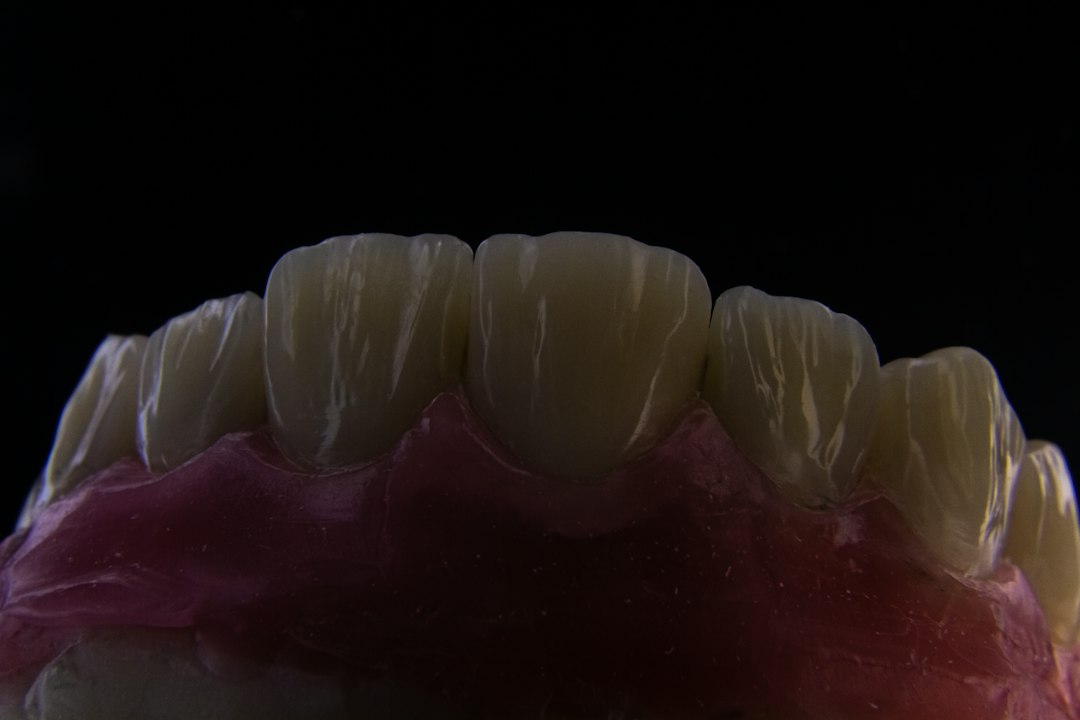
Veneer repair refers to any dental procedure used to restore a damaged or loose veneer. A veneer is a thin shell, usually made from porcelain or composite resin, that is bonded to the front surface of a tooth. When it becomes chipped, cracked, stained, or detached, a dentist evaluates whether the existing veneer can be repaired or whether replacement is necessary.
Minor repairs may involve smoothing a rough edge, adding composite resin to a small chip, or rebonding a veneer that has fallen off but remains intact. More serious cases may require removing the veneer and creating a new one. Because veneers are customized to the patient’s smile, even small repairs require careful shade matching and shaping.

Average Cost of Veneer Repair in 2026
In 2026, the average cost of veneer repair is expected to fall into several broad categories. While actual prices vary by dental office and region, most patients can expect the following ranges:
- Minor polishing or smoothing: $100 to $250 per tooth
- Small chip repair with composite bonding: $150 to $450 per tooth
- Rebonding a loose or detached veneer: $200 to $600 per tooth
- Repairing cracks or moderate damage: $400 to $900 per tooth
- Full veneer replacement: $900 to $2,500 or more per tooth
For many patients, a simple veneer repair costs less than replacing the veneer entirely. However, if the veneer is fractured, badly discolored, poorly fitting, or weakened, a dentist may recommend replacement for a more predictable and long-lasting result.
Porcelain Veneer Repair Costs
Porcelain veneers are known for their durability, stain resistance, and natural appearance. They are also more expensive to repair or replace than composite veneers. In 2026, minor porcelain veneer repair may cost around $200 to $600 per tooth, depending on the type of damage.
Porcelain cannot always be repaired directly in the same way as composite resin. If a small chip occurs, a dentist may be able to smooth the area or add a tooth-colored composite patch. However, the repair may not be as strong or seamless as the original porcelain. If the porcelain veneer is cracked through the surface or broken into multiple pieces, replacement is usually more appropriate.
Replacing a porcelain veneer in 2026 may cost between $1,100 and $2,500 per tooth. The fee often includes digital imaging, shade matching, lab fabrication, temporary veneer placement, and final bonding.
Composite Veneer Repair Costs
Composite veneers are generally less expensive than porcelain veneers and are often easier to repair. Since composite resin can be added directly to the existing surface, small chips and worn areas may be restored in a single visit.
In 2026, composite veneer repair commonly costs between $150 and $450 per tooth. If the veneer has extensive staining, cracking, or loss of structure, a dentist may recommend replacing the composite veneer, which may cost $400 to $1,200 per tooth. Composite repairs are usually less costly than porcelain repairs, but they may not last as long and may require more frequent maintenance.
Factors That Affect Veneer Repair Prices
The price of veneer repair can vary significantly from one patient to another. Several factors influence the final cost:
- Material type: Porcelain repairs and replacements generally cost more than composite repairs.
- Extent of damage: A tiny chip is far less expensive to fix than a cracked or detached veneer.
- Number of veneers: Repairing multiple veneers increases the total cost, though some offices may offer package pricing.
- Dentist’s expertise: Cosmetic dentists with advanced training may charge higher fees.
- Location: Dental fees tend to be higher in large cities and affluent areas.
- Laboratory fees: Porcelain veneers often involve dental lab costs, especially when replacement is needed.
- Emergency appointments: Same-day or after-hours repairs may involve additional charges.
Patients should also consider diagnostic fees. Some dental offices charge separately for exams, X-rays, scans, or photographs before recommending treatment. These fees may range from $75 to $300 depending on the practice.
Repair Versus Replacement: Which Is More Cost Effective?
Whether repair or replacement is more cost effective depends on the condition of the veneer. If the damage is cosmetic and minor, repair is usually the less expensive choice. A small chip or rough edge may be corrected quickly without removing the veneer.
However, replacement may be the better long-term investment when the veneer has structural damage. A cracked veneer may continue to weaken even after a surface repair. Similarly, if the veneer no longer fits well or the bonding material has failed, simply patching the problem may lead to repeated costs.
A dentist typically considers the following before recommending repair or replacement:
- Whether the veneer is still securely bonded
- Whether the tooth underneath is healthy
- Whether the damage affects bite alignment
- Whether the repair will blend naturally with nearby teeth
- Whether the repaired veneer is likely to last
In some cases, paying more for replacement may save money over time by preventing repeated repairs.
Does Insurance Cover Veneer Repair?
Dental insurance usually does not cover veneer repair when the veneer was placed for cosmetic reasons. Since veneers are typically considered elective cosmetic treatment, patients often pay out of pocket for repairs and replacements.
However, there are exceptions. Insurance may provide partial coverage if the veneer repair is medically necessary, such as when the damage results from an accident, affects chewing, exposes the tooth structure, or causes pain. Coverage may also depend on whether the veneer functions like a crown or restoration rather than a purely cosmetic shell.
Patients should ask the dental office to submit a pre-treatment estimate when possible. This allows the insurance provider to clarify whether any portion of the repair may be covered.
Additional Costs Patients May Encounter
The advertised repair fee may not include every possible expense. In 2026, patients may also need to budget for related costs, including:
- Consultation or emergency exam: $75 to $200
- Dental X-rays or imaging: $50 to $250
- Digital scans: $100 to $300
- Temporary veneer: $100 to $400
- Night guard: $300 to $800
- Bite adjustment: $75 to $300
A night guard may be recommended if the veneer damage was caused by teeth grinding or clenching. Although it adds to the upfront cost, a custom night guard can help protect both natural teeth and dental restorations.
How Long Does a Veneer Repair Last?
The lifespan of a veneer repair depends on the material, the quality of the repair, and the patient’s habits. A small composite repair on a porcelain veneer may last a few years, but it may stain or wear faster than the original veneer. A repaired composite veneer may last 3 to 7 years, while a replaced porcelain veneer may last 10 to 15 years or longer with proper care.
Patients who bite fingernails, chew ice, open packages with their teeth, or grind their teeth are more likely to need repeat repairs. Good oral hygiene and regular dental checkups help extend the life of veneers and repairs.
Signs a Veneer Needs Repair
A person may need veneer repair if any of the following signs appear:
- A visible chip or crack appears on the veneer
- The veneer feels rough against the tongue
- The veneer becomes loose or falls off
- Dark lines or stains appear near the gumline
- The bite feels uneven after damage
- There is tooth sensitivity or discomfort
- The veneer looks different from surrounding teeth
Prompt treatment is important because a loose or broken veneer may expose the natural tooth underneath. If bacteria enter the area, the risk of decay or sensitivity may increase.
How Patients Can Reduce Veneer Repair Costs
While veneer repair can be expensive, patients may reduce costs by taking preventive steps and comparing payment options. Many dental offices offer financing plans, membership programs, or staged treatment when several veneers need attention.
Cost-saving strategies may include:
- Scheduling regular dental visits to catch small problems early
- Wearing a night guard if grinding or clenching is an issue
- Avoiding hard foods such as ice, hard candy, and nutshells
- Using scissors instead of teeth to open packaging
- Asking for a written estimate before treatment begins
- Checking insurance benefits for accident-related damage
- Considering dental financing for larger replacement costs
What to Expect During a Veneer Repair Appointment
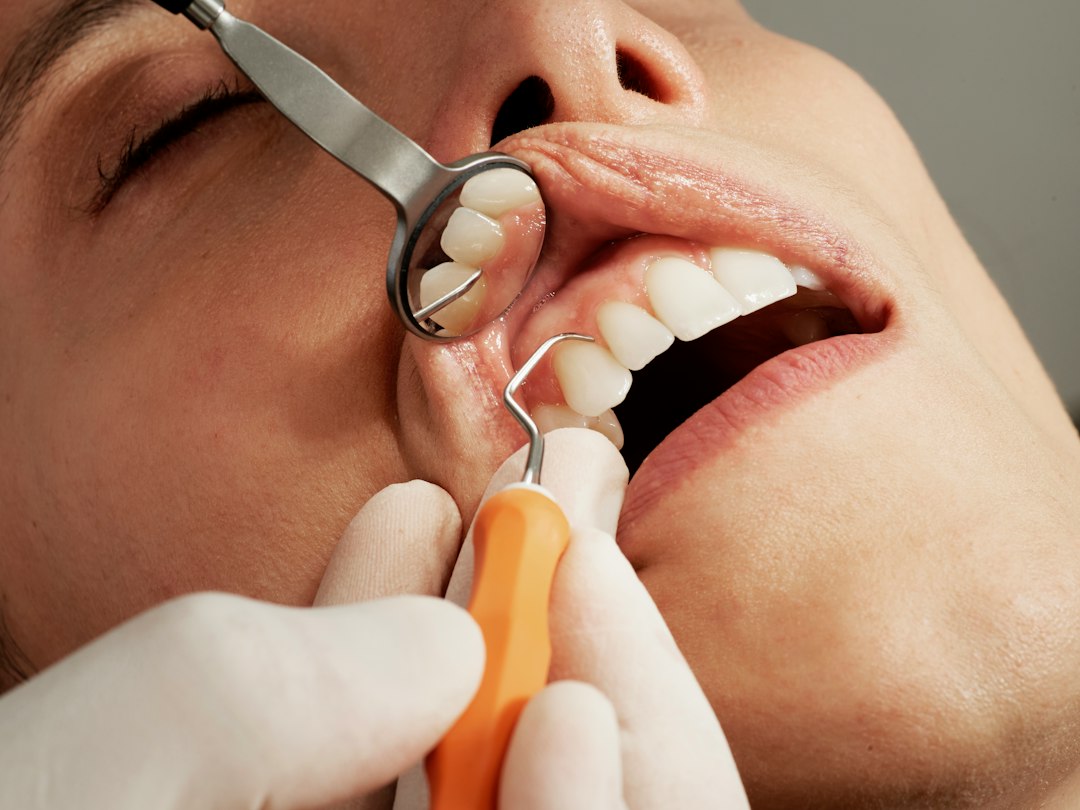
During a veneer repair appointment, the dentist first examines the veneer and the underlying tooth. If the veneer is chipped, the area may be cleaned, etched, and restored with tooth-colored resin. The dentist then shapes and polishes the repair so it blends with the surrounding teeth.
If the veneer has come off but is still intact, the dentist may clean both the veneer and tooth surface before rebonding it. If the veneer is broken or no longer fits, a new impression or digital scan may be taken so a replacement can be fabricated. A temporary veneer may be placed while the permanent one is made.
FAQ: Average Cost of Veneer Repair in 2026
How much does veneer repair cost in 2026?
In 2026, veneer repair generally costs between $150 and $450 per tooth for minor repairs. More complex repairs may cost $500 to $1,500 or more, especially if porcelain is involved.
How much does it cost to replace a veneer?
Replacing a veneer usually costs about the same as getting a new veneer. In 2026, replacement commonly ranges from $900 to $2,500 per tooth, depending on the material, dentist, and location.
Can a chipped porcelain veneer be repaired?
A small chip in a porcelain veneer can sometimes be smoothed or repaired with composite resin. However, larger cracks or fractures often require full replacement for the best cosmetic and structural result.
Is composite veneer repair cheaper than porcelain veneer repair?
Yes. Composite veneer repair is usually less expensive because the material can often be repaired directly in the mouth. Porcelain repair may involve more specialized techniques or replacement through a dental lab.
Does dental insurance pay for veneer repair?
Insurance usually does not cover cosmetic veneer repair. However, partial coverage may be possible if the damage is related to an accident, pain, tooth exposure, or functional dental problems.
How long does veneer repair take?
Minor repairs may be completed in one visit. If a veneer must be replaced, the process may require two or more appointments, especially when a dental lab is involved.
Is repairing a veneer worth it?
Repairing a veneer is often worth it when the damage is minor and the veneer is still secure. If the veneer is severely cracked, loose, or poorly fitting, replacement may provide a better long-term value.
How can veneer damage be prevented?
Veneer damage can be reduced by avoiding hard foods, wearing a night guard when needed, maintaining good oral hygiene, and visiting the dentist regularly for checkups and professional cleanings.