
As companies scale, their revenue teams often discover that a customer relationship management system is only as effective as the strategy, data, and processes behind it. Velocity RevOps CRM optimization services are designed to help organizations turn a CRM from a simple contact database into a reliable revenue engine that supports sales, marketing, customer success, and leadership decision-making.
TLDR: Velocity RevOps CRM optimization services help businesses improve how their CRM is structured, used, and connected to revenue operations. These services typically focus on cleaner data, better workflows, stronger reporting, and improved alignment across teams. The goal is to create a CRM environment that supports faster decisions, more predictable growth, and better customer experiences.
What CRM Optimization Means in Revenue Operations
CRM optimization is the process of improving the way a company’s CRM supports its revenue goals. It goes beyond basic platform setup. Instead of simply adding fields, importing contacts, or creating sales pipelines, optimization examines whether the CRM reflects how the business actually attracts, converts, retains, and expands customers.
In a revenue operations context, CRM optimization connects people, processes, technology, and data. Sales needs accurate pipeline visibility. Marketing needs reliable attribution and lead handoff processes. Customer success needs a clear view of customer health and expansion opportunities. Leadership needs dashboards that show what is really happening across the revenue cycle.
Velocity RevOps approaches CRM optimization as a system-wide improvement effort, not a one-time technical task. The focus is typically on making the CRM easier to use, easier to trust, and easier to scale.
Why Businesses Need CRM Optimization
Many organizations invest in CRM platforms but struggle to receive full value from them. Common problems include duplicate records, inconsistent lifecycle stages, unclear pipeline definitions, poor reporting, unused fields, and disconnected tools. Over time, these issues create friction that slows down revenue teams.
When a CRM becomes cluttered or unreliable, team members often create workarounds. Sales representatives may track deals in spreadsheets. Marketing may question lead source data. Executives may receive reports that do not match reality. Customer success teams may lack visibility into previous sales conversations. These problems are rarely caused by the platform alone; they usually result from gaps in process design, governance, and adoption.
CRM optimization services help address these issues by bringing structure and clarity to the system. A well-optimized CRM can reduce manual work, improve forecasting, shorten sales cycles, and support better collaboration between departments.
Core Components of Velocity RevOps CRM Optimization Services
While every engagement may differ depending on the business, CRM optimization generally includes several important areas.
- CRM audit: A detailed review of the current CRM setup, including objects, fields, workflows, permissions, integrations, data quality, and reporting.
- Process mapping: Documentation of how leads, accounts, opportunities, customers, renewals, and expansions move through the revenue lifecycle.
- Data cleanup: Identification and correction of duplicate, incomplete, outdated, or inconsistent records.
- Pipeline optimization: Refinement of deal stages, qualification criteria, probability settings, required fields, and handoff rules.
- Automation improvement: Creation or refinement of workflows that reduce repetitive tasks and increase process consistency.
- Reporting and dashboards: Development of reliable reports that support strategic, tactical, and operational decisions.
- User adoption support: Guidance, documentation, and training to help teams use the CRM correctly and consistently.
The CRM Audit: Finding the Root Causes
A CRM audit is often the first major step in the optimization process. It reveals where the system is working well and where it is creating confusion. Velocity RevOps may examine how fields are used, whether data is complete, which workflows are active, how integrations behave, and whether reports are based on trustworthy information.
The audit also looks at business alignment. For example, if sales defines a qualified opportunity one way and marketing defines it another way, the CRM may show misleading conversion rates. If customer success tracks renewals outside the CRM, leadership may not have a complete picture of recurring revenue risk. Optimization begins by uncovering these disconnects.
Improving Data Quality and Governance
Data quality is one of the most important parts of CRM optimization. A CRM filled with inaccurate or inconsistent information cannot support confident decisions. Clean data helps teams understand where leads come from, which deals are most likely to close, which customers need attention, and where revenue growth is likely to occur.
Governance ensures that data stays clean over time. This may include rules for required fields, naming conventions, duplicate management, lifecycle stage definitions, and ownership responsibilities. Without governance, even a freshly cleaned CRM can become disorganized again within months.
Effective CRM governance creates accountability. It defines who owns data quality, how changes are approved, and how teams should use the system. This structure helps protect the CRM from becoming overly complex or inconsistent as the business grows.
Workflow and Automation Optimization
Automation can be powerful, but poorly designed automation can create unnecessary complexity. CRM optimization services review existing workflows to determine which ones help the business and which ones cause confusion, delays, or errors.
Well-designed workflows may automate lead routing, task creation, follow-up reminders, lifecycle updates, renewal alerts, and customer onboarding steps. These automations help teams move faster while maintaining consistent processes. However, every automation should have a clear business purpose and should be easy to monitor.
Velocity RevOps typically emphasizes automation that supports human decision-making rather than replacing it entirely. The best CRM workflows remove repetitive tasks while keeping revenue teams focused on meaningful customer interactions.
Reporting That Leadership Can Trust
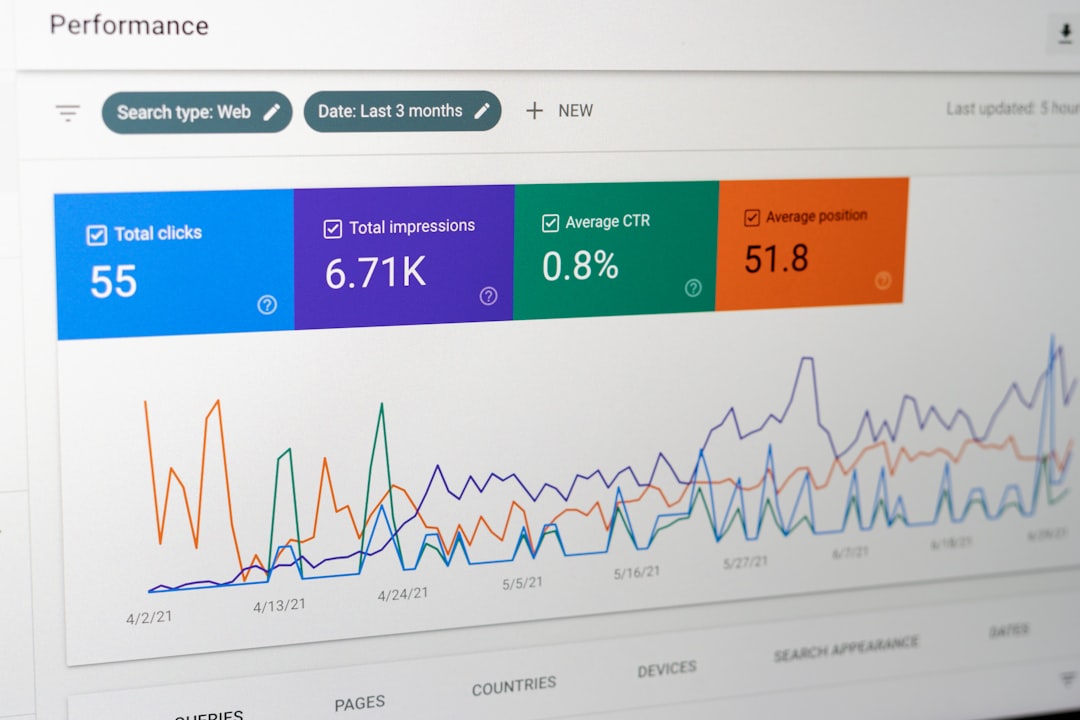
CRM reporting is often one of the clearest indicators of system health. If dashboards are difficult to interpret or frequently disputed, the CRM likely needs optimization. Reliable reporting requires accurate data, clear definitions, consistent processes, and thoughtful dashboard design.
CRM optimization may include building dashboards for different audiences. Executives may need high-level revenue forecasts, pipeline coverage, customer retention metrics, and growth trends. Sales managers may need deal stage movement, activity levels, conversion rates, and rep performance. Marketing teams may need campaign influence, lead quality, and funnel conversion data.
The goal is not to create more reports; the goal is to create better reports. A smaller number of trusted dashboards is usually more valuable than dozens of confusing or inconsistent reports.
CRM Adoption and Team Alignment
Even the best CRM structure will fail if teams do not use it properly. Adoption depends on usability, trust, training, and leadership reinforcement. If the CRM requires excessive manual effort or does not help employees do their jobs, users are less likely to maintain it accurately.
Velocity RevOps CRM optimization services may include user training, process documentation, playbooks, and change management support. These resources help employees understand not only how to use the CRM, but also why the process matters.
Alignment is especially important across sales, marketing, and customer success. When teams share definitions, handoff rules, and performance metrics, the CRM becomes a common operating system for revenue growth. This reduces finger-pointing and improves collaboration.
Benefits of CRM Optimization
A well-optimized CRM can provide measurable benefits across the business. These benefits often include:
- Greater pipeline visibility and more accurate forecasting.
- Cleaner customer and prospect data for better segmentation and follow-up.
- Improved productivity through reduced manual work and better automation.
- Stronger collaboration between sales, marketing, and customer success.
- Better executive decision-making supported by reliable reporting.
- Higher CRM adoption because the system becomes easier and more useful.
For growing companies, these improvements can support more predictable revenue performance. A CRM that reflects the real customer journey gives teams the visibility they need to prioritize the right activities.
When a Company Should Consider CRM Optimization
A business may need CRM optimization when reports are unreliable, teams complain about too much manual work, sales stages are unclear, duplicate data is common, or leaders cannot easily understand pipeline health. Optimization may also be valuable before a major growth phase, after a merger, during a CRM migration, or when implementing new revenue tools.
Rather than waiting until the system becomes unmanageable, organizations often benefit from regular CRM reviews. A CRM should evolve as the business model, sales process, product offerings, and customer lifecycle change.
Final Thoughts
Velocity RevOps CRM optimization services help organizations create a CRM that supports revenue growth instead of slowing it down. By improving data quality, workflows, reporting, governance, and adoption, these services turn the CRM into a more dependable foundation for sales, marketing, customer success, and leadership teams.
In a competitive market, companies need more than software; they need a revenue system that is clear, connected, and scalable. CRM optimization provides the structure needed to make that possible.
FAQ
What is Velocity RevOps CRM optimization?
It is a service focused on improving how a company uses its CRM to support revenue operations, including data management, workflows, reporting, sales processes, and team alignment.
Who needs CRM optimization services?
Companies with unreliable reports, messy data, poor CRM adoption, unclear pipelines, or disconnected revenue teams can benefit from CRM optimization.
Is CRM optimization the same as CRM implementation?
No. Implementation usually involves setting up a CRM, while optimization improves an existing CRM so it works more efficiently and accurately.
How long does CRM optimization take?
The timeline depends on CRM complexity, data quality, integrations, and business goals. A smaller project may take a few weeks, while a more complex optimization may take several months.
What results should a business expect?
A business can typically expect cleaner data, better reporting, improved workflows, greater user adoption, and stronger visibility into revenue performance.