
Profound, Scrunch AI, Peec AI, Otterly.AI, and Brand24 are the strongest picks for tracking AI search visibility right now. They help measure whether ChatGPT, Perplexity, Gemini, Claude, and AI Overviews mention your brand, cite your pages, or ignore you completely. This matters because Gartner has predicted that traditional search engine volume could drop by 25% by 2026 as AI chatbots and virtual agents gain use [source: Gartner].
TLDR: If you need serious AI search visibility tracking, start with Profound for enterprise reporting or Otterly.AI for a simpler setup. A practical benchmark: track 50 buyer-intent prompts across five AI engines, then measure how often your brand appears, how often it is cited, and whether competitors show up more. If your brand appears in only 6 out of 250 checks, that is a 2.4% AI visibility rate. That number gives your content, SEO, and PR teams something real to fix.
What AI Search Visibility Metrics Should Measure
Classic SEO tools still matter. But AI search works differently. You are not only chasing rankings. You are tracking answers, citations, brand mentions, and topic authority.
The useful metrics are simple:
- Citation share: how often AI tools cite your site as a source.
- Mention rate: how often your brand appears in AI answers.
- Competitor share: which rival brands appear more often.
- Sentiment: whether mentions are positive, neutral, or negative.
- Prompt coverage: how many relevant questions include your brand.
- Source quality: which pages, articles, or third-party sites influence the answer.
1. Profound
Best for: enterprise teams, agencies, and brands that treat AI visibility as a board-level metric.
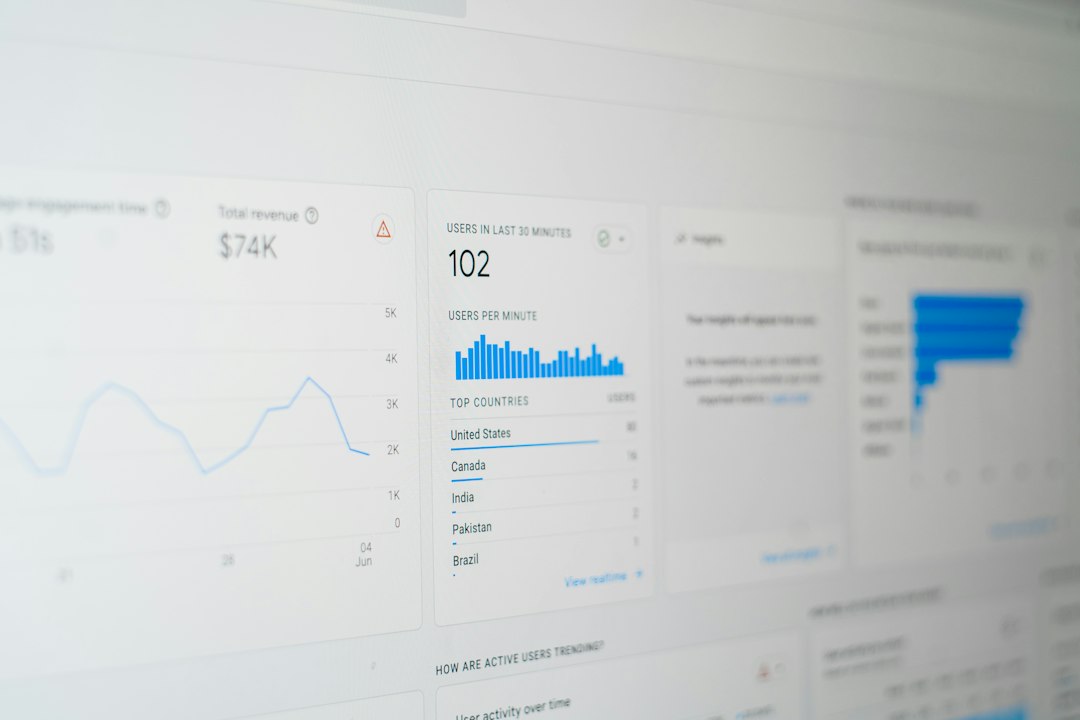
Profound is one of the most serious tools in this category. It tracks how brands appear across AI answer engines and helps teams see which prompts trigger mentions or citations. It is built for repeat measurement, not casual checks.
The strongest part is its reporting. You can compare brand visibility against competitors and spot gaps in topic coverage. That is useful for SEO leaders, content teams, and communications teams that need one shared view.
The catch is that it can feel heavier than needed for a small site. If you only want to check 20 prompts once a month, you may not need this level of detail. For a larger brand, though, the structure is a real advantage.
- Tracks: AI citations, brand mentions, prompt visibility, competitor presence.
- Good for: SaaS, finance, healthcare, marketplaces, and large publishers.
- Weak spot: may be more than smaller teams need.
2. Scrunch AI
Best for: teams that want to understand how AI platforms describe their brand.
Scrunch AI focuses on brand presence in AI answers. It helps answer a painful question: “What do AI tools say about us when no one from our team is watching?” That is the right question. AI summaries can shape trust before a buyer ever visits your site.
It is useful for tracking branded prompts, category prompts, and competitor comparisons. For example, a CRM company could test prompts like “best CRM for small agencies” or “HubSpot alternatives for sales teams.” Then it can see if the brand appears, where it appears, and what language is used.
Honestly, it feels like too many teams still screenshot AI answers by hand. That gets messy fast. Scrunch AI gives the work a cleaner system.
- Tracks: brand descriptions, mentions, competitor comparisons, answer patterns.
- Good for: brand, PR, and product marketing teams.
- Weak spot: advanced SEO teams may still need separate backlink and keyword tools.
3. Peec AI
Best for: marketing teams that want clean AI visibility reports without a huge setup.
Peec AI is built around monitoring brand visibility in AI search tools. Its value is clarity. You can track how often your brand appears for selected prompts and compare that against competitors.
This is helpful when leadership asks, “Are we showing up in ChatGPT?” A vague answer is not enough. Peec AI helps turn that into numbers, charts, and repeatable checks.
Use it for category tracking. Pick 30 to 100 prompts tied to buyer questions. Review them weekly. Watch which brands gain visibility. Also watch which pages get cited. Those cited pages often show what AI systems trust.
- Tracks: AI visibility, prompt performance, competitor share.
- Good for: B2B marketing, SEO, and growth teams.
- Weak spot: usefulness depends on how well you choose prompts.
4. Otterly.AI
Best for: smaller teams that need AI search monitoring without a long buying process.
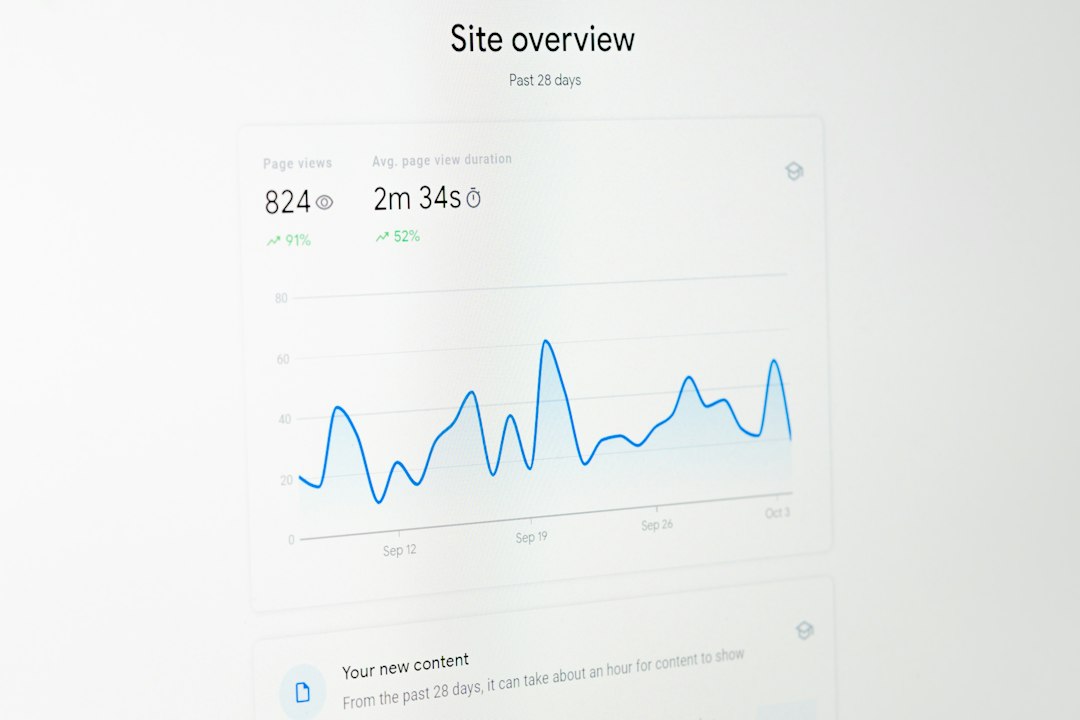
Otterly.AI is a practical option for tracking mentions in AI search engines. It supports monitoring across tools such as ChatGPT, Perplexity, and Google AI results, depending on plan and current integrations.
The appeal is speed. You can set up topics, brands, and prompts, then start checking visibility. That makes it useful for consultants, agencies, and founders who need proof before investing in a bigger platform.
Expect to waste time if your prompt list is sloppy. This is true for every tool here. “Best software” is too broad. “Best payroll software for restaurants with hourly staff” is much better. Specific prompts produce cleaner insight.
- Tracks: AI mentions, citations, prompts, search presence.
- Good for: SMBs, consultants, agencies, and lean SEO teams.
- Weak spot: reporting depth may be lighter than enterprise platforms.
5. Brand24
Best for: tracking broader brand reach beyond AI answers.
Brand24 is not only an AI search visibility tool. It is a brand monitoring platform. That makes it useful when you want to connect AI visibility with wider online attention.
AI tools often reflect what the web already says. Reviews, media coverage, forums, social posts, and expert lists can all influence brand reach. Brand24 helps monitor many of those signals. It can catch mentions across news, blogs, podcasts, forums, and social platforms.
For AI search work, use Brand24 beside a dedicated AI visibility tool. If Profound or Otterly.AI shows that a competitor is cited more often, Brand24 can help you check whether that competitor also has more press, review volume, or online discussion.
- Tracks: web mentions, social mentions, sentiment, reach, share of voice.
- Good for: PR, reputation, and brand teams.
- Weak spot: not a pure AI citation tracker.
How to Choose the Right Tool
Pick based on your main problem.
- Need executive reporting? Choose Profound.
- Need brand answer monitoring? Choose Scrunch AI.
- Need simple competitor visibility checks? Choose Peec AI.
- Need a faster, lighter start? Choose Otterly.AI.
- Need wider brand reach data? Choose Brand24.
The smartest setup is often two tools. Use one AI visibility platform for prompt tracking. Use one brand monitoring tool for wider mentions. Then review the data every month. Look for rising citation share, stronger sentiment, and fewer competitor-only answers.
The goal is not to win a vanity chart. The goal is to know whether AI systems trust your brand enough to mention it when buyers ask serious questions. If they do not, you need better content, stronger third-party proof, and clearer expert signals.