
The best pick for most teams is Semrush, while Profound or Peec AI are better if you care more about ChatGPT, Gemini, and Perplexity than classic Google ranks. AI search is not a tiny side quest anymore. Gartner predicted that traditional search volume may drop 25% by 2026 due to AI chatbots and other virtual agents [source: Gartner].
TLDR: Use Semrush if you want one tool for rank tracking, keyword research, and basic AI visibility checks. Use Profound or Peec AI if your boss keeps asking, “Are we showing up in ChatGPT?” For example, a SaaS team tracking 500 keywords might find that it ranks top 5 on Google for 38% of them, yet appears in AI answers for only 12%. That gap is where AI SEO tracking earns its lunch money.
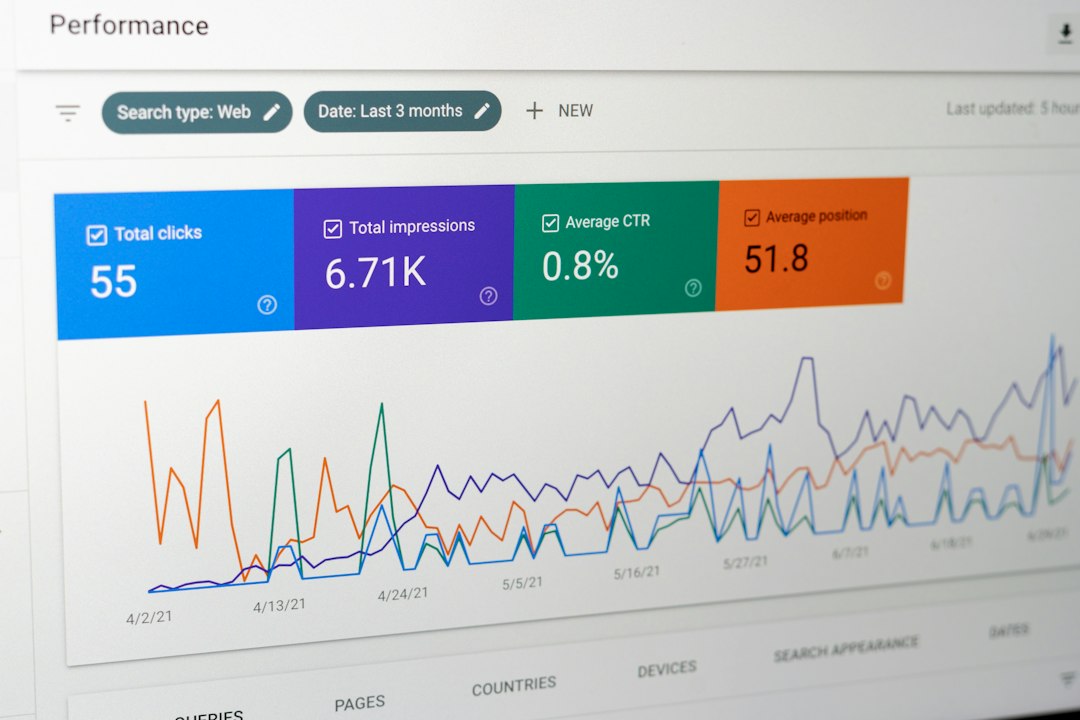
What is AI SEO tracking software?
It is rank tracking with extra robot spice.
Old SEO tools track where your page ranks on Google. Simple enough. AI SEO tools also check if your brand shows up in AI Overviews, ChatGPT-style answers, Perplexity results, Gemini replies, and other answer engines.
That matters because users may not click ten blue links anymore. They may read one AI answer and move on. Annoying? Yes. Useful to track? Also yes.
Quick comparison of 7 platforms
- Semrush: Best all-rounder for mixed SEO teams.
- Ahrefs: Best for backlink-heavy SEO work with strong rank data.
- seoClarity: Best for large enterprise SEO teams.
- BrightEdge: Best for enterprise reporting and content teams.
- Profound: Best for deep AI answer visibility.
- Peec AI: Best for brand tracking inside AI answers.
- Otterly.AI: Best lightweight option for AI search monitoring.
1. Semrush
Best for: Teams that want classic SEO and AI tracking in one place.
Semrush is the safe choice. It tracks rankings, keywords, competitors, backlinks, and SERP features. It can also help spot when AI results affect your search presence.
What I like: The dashboards are clear. The keyword tools are strong. Reports are easy to share.
What gets old: It can feel like opening a toolbox with 400 drawers. Expect to waste time clicking around at first.
Pick Semrush if you want one central SEO command room.
2. Ahrefs
Best for: SEO teams that care about links, content gaps, and rank history.
Ahrefs has one of the best link databases in the game. Its Rank Tracker is clean. Its keyword tools are fast. It also helps you see which pages win visibility across search results.
What I like: It is great for finding why a competitor is beating you.
What gets old: AI visibility is not the main star here. If that is your only need, it may feel too broad.
Pick Ahrefs if links and rankings still drive most of your SEO work.
3. seoClarity
Best for: Big sites with lots of pages, regions, and teams.
seoClarity is made for enterprise SEO. Think giant ecommerce sites. Think publishers. Think brands with thousands or millions of URLs.
It tracks rankings at scale and connects search data with content work. It also includes AI-focused features for search changes and content insights.
What I like: It can handle messy, huge SEO projects.
What gets old: Setup is not “grab coffee and done.” You may need training and support.
Pick seoClarity if your SEO spreadsheet already scares people.
4. BrightEdge
Best for: Enterprise teams that need senior-friendly reporting.
BrightEdge is built for big brands. It tracks rankings, demand, content performance, and search changes. It also helps teams see how AI search features affect visibility.
What I like: The reporting is strong. It speaks the language of executives.
What gets old: It can feel heavy. Small teams may not need this much machine.
Pick BrightEdge if you need boardroom charts as much as keyword data.
5. Profound
Best for: Tracking how brands appear in AI answer engines.
Profound focuses on generative search visibility. It checks how your brand appears in answers from tools like ChatGPT, Perplexity, and Gemini. It can track prompts, citations, sentiment, and share of voice.
What I like: It is built for the new problem, not just bolted onto an old rank tracker.
What gets old: If you still need classic rank tracking, you may need another tool too.
Pick Profound if AI answers are now part of your brand strategy.
6. Peec AI
Best for: Brand teams that want simple AI visibility reports.
Peec AI tracks how often your brand appears in AI answers. It can compare your brand with competitors. It can also show which sources AI systems seem to cite.
What I like: It is focused. Less clutter. Faster to understand.
What gets old: It is not a full SEO suite. You will still want another tool for deeper keyword work.
Pick Peec AI if your main question is, “Do AI tools recommend us?”
7. Otterly.AI
Best for: Small teams starting with AI search tracking.
Otterly.AI monitors brand and content visibility in AI search tools. It is lighter than enterprise platforms. That can be a good thing.
What I like: It is simple. You can track prompts and see where your brand appears.
What gets old: The data can feel thinner than large SEO suites. Honestly, it feels like a sharp flashlight, not a full control room.
Pick Otterly.AI if you want quick AI visibility checks without a monster setup.
How to choose without losing your mind
- Need one tool for SEO? Choose Semrush.
- Care most about backlinks? Choose Ahrefs.
- Run a giant site? Choose seoClarity or BrightEdge.
- Care most about AI answers? Choose Profound or Peec AI.
- Want a simple AI tracker? Choose Otterly.AI.
Here is the simple rule. Track Google rankings and AI answer visibility together. One without the other gives you only half the story.
Classic SEO tells you where your page ranks. AI SEO tells you if the machines mention you at all. Both matter now. Sorry. The robots made extra homework.