
Shopify POS is the easier pick for retailers that sell heavily online, while Lightspeed Retail is stronger for stores with large catalogs, complex purchasing, and multi-location inventory. Modern merchants need fast checkout, clean stock control, and simple reporting, not another screen that slows the counter. Shopify merchants reached $235.9 billion in gross merchandise volume in 2023, which shows how large its commerce system has become [source: Shopify].
TLDR: Shopify POS is best for retailers that want one smooth system for ecommerce, social selling, and in-store checkout. Lightspeed is best for inventory-heavy stores, such as bike shops, apparel chains, and specialty retailers with thousands of SKUs. For example, a boutique with 20,000 SKUs, three registers, and 15% of sales coming from online orders may save hours each week with Lightspeed’s purchase orders and stock tools. A brand doing 60% online sales will usually feel more at home with Shopify POS.
Why POS choice matters for retail stores
A retail POS system is no longer just a cash register. It handles payments, returns, staff access, customer profiles, stock counts, taxes, discounts, and daily sales reports. If it lags at peak hours, staff feel it fast. Customers feel it faster.
Retailers comparing platforms should focus on three things: checkout speed, inventory accuracy, and channel fit. A good comparison of broader POS system software can also help merchants see how retail platforms differ from restaurant tools.
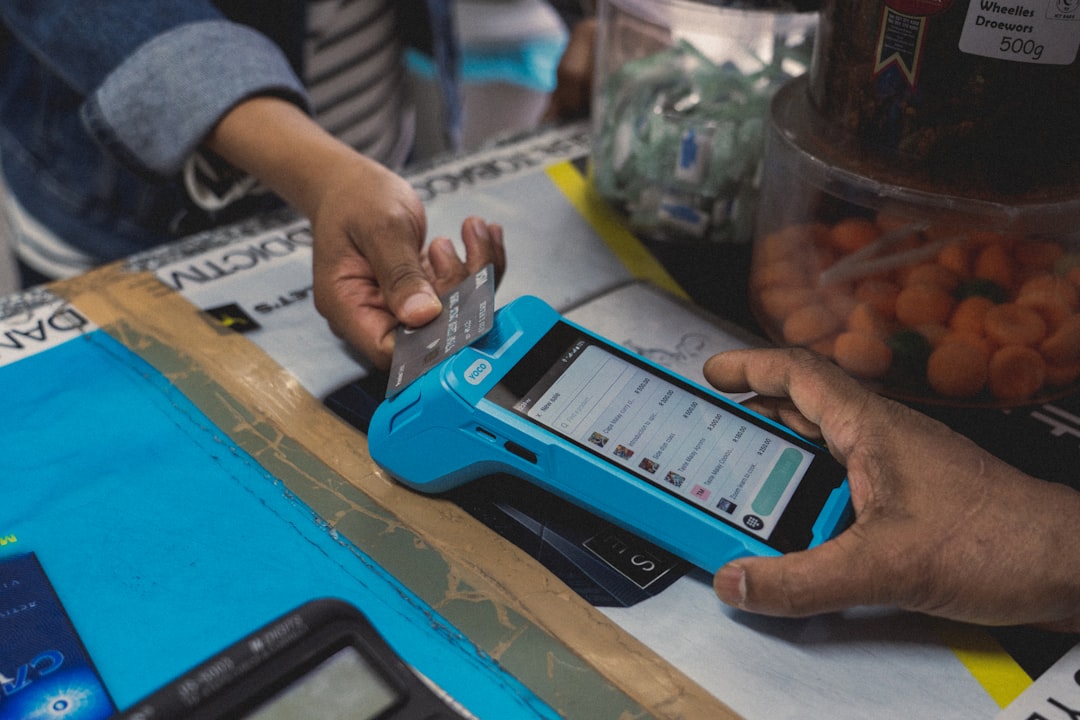
Shopify POS: best for ecommerce-first retailers
Shopify POS works best for merchants that already use Shopify for online sales. It connects store inventory, customer data, gift cards, discount codes, and orders across online and physical channels. That makes it a strong fit for apparel brands, beauty shops, pop-up sellers, and direct-to-consumer companies opening a physical store.
The best part is the clean connection between online and offline sales. A customer can buy online, pick up in store, exchange at the counter, and still stay inside one customer profile. Staff can see order history and suggest related products without hunting through separate tools.
Key Shopify POS strengths include:
- Excellent ecommerce sync for product pages, orders, and inventory.
- Easy checkout with card readers, mobile POS, and barcode support.
- Strong customer profiles for loyalty, email marketing, and repeat sales.
- Good app ecosystem for subscriptions, reviews, shipping, accounting, and marketing.
- Simple interface that new staff can learn quickly.
The catch is pricing and add-ons. Smaller retailers may start with a simple plan, then need extra apps, better reporting, or POS Pro features. Honestly, it feels like some features that should be standard sit behind another upgrade. That can be annoying when a store only needs one extra function, not a bigger monthly bill.
Lightspeed Retail: best for serious inventory control
Lightspeed Retail is built for stores that care deeply about stock control. It suits retailers with many product variants, vendors, purchase orders, serial numbers, and multiple locations. Bike shops, jewelry stores, sporting goods shops, pet stores, and fashion retailers often need this kind of detail.
Lightspeed gives managers more control over purchasing and reporting. It can track vendor costs, margins, low-stock alerts, and product performance. That helps buyers avoid overstock and spot slow sellers before money gets stuck on the shelf.

Key Lightspeed strengths include:
- Advanced inventory tools for large catalogs and product variants.
- Purchase order management for vendor-heavy stores.
- Detailed reporting on sales, margins, staff, and locations.
- Multi-store support for retailers expanding beyond one shop.
- Retail-focused workflows for exchanges, layaways, and special orders.
Lightspeed can feel more complex at first. Staff may need more training than they would with Shopify POS. Expect to waste time on setup if products have messy naming, weak categories, or old barcode habits. Once cleaned up, though, Lightspeed can become very sharp.
Lightspeed vs Shopify POS: quick comparison
- Best for online selling: Shopify POS
- Best for inventory depth: Lightspeed Retail
- Best for fast setup: Shopify POS
- Best for purchase orders: Lightspeed Retail
- Best for pop-ups and mobile selling: Shopify POS
- Best for multi-location specialty retail: Lightspeed Retail
A small clothing brand with Instagram traffic, online drops, and weekend pop-ups will usually get more value from Shopify POS. A three-location sporting goods store with thousands of SKUs, seasonal buying, and vendor orders will likely prefer Lightspeed.
Which system should modern merchants choose?
Shopify POS is the better choice when ecommerce drives the business. It keeps products, orders, and customer records in one place. It also gives newer brands room to grow from online sales into physical retail.
Lightspeed is the better choice when stock complexity is the pain point. It gives merchants stronger control over vendors, purchase orders, margins, and detailed product data. For retailers that lose money from stock errors, that matters more than a prettier checkout screen.
The safest move is to test each system with real store tasks. Retailers should run a return, create a discount, scan five products, check stock at another location, and pull a daily report. If one task takes 20 seconds longer every time, that delay becomes painful during a Saturday rush.
FAQ
Is Shopify POS better than Lightspeed?
Shopify POS is better for retailers that sell online and in store through one connected system. Lightspeed is better for stores that need deeper inventory, purchase orders, and vendor management.
Is Lightspeed good for small retail stores?
Yes. Lightspeed can work well for small stores, especially if they have many SKUs or serious stock needs. Very simple shops may find it more system than they need.
Can Shopify POS handle multiple retail locations?
Yes. Shopify POS can support multiple locations, shared inventory, and staff permissions. Retailers with many stores should review plan limits and reporting needs before choosing.
Which POS is easier for staff to learn?
Shopify POS is usually easier for new staff. Its interface is simple and clean. Lightspeed may take more training, but it gives managers more control.
Which POS is best for inventory management?
Lightspeed is the stronger option for detailed retail inventory. It is especially useful for stores with variants, vendor orders, stock transfers, and margin tracking.