
Marketing videos, ads, and promotional content increasingly depend on clear, persuasive, and memorable voiceovers to capture attention in crowded digital spaces. AI voice solutions have become a practical option for brands that need fast production, flexible messaging, and consistent audio quality across campaigns.
TLDR: AI voice solutions help marketing teams create professional voiceovers for videos, ads, and promotional content faster and more affordably. They support multiple tones, languages, accents, and campaign formats without requiring traditional recording sessions. When used well, AI voices can improve brand consistency, speed up content production, and make promotional messaging more scalable. Human review remains important to ensure the final result sounds natural, accurate, and emotionally aligned with the brand.
Why AI Voice Technology Matters in Modern Marketing
Marketing content is produced at a faster pace than ever before. A brand may need short video ads for social media, product explainers for landing pages, promotional clips for email campaigns, and localized versions for international audiences. Traditional voiceover production can still deliver excellent results, but it often requires scheduling talent, booking recording time, managing revisions, and waiting for final audio files.
AI voice solutions simplify this process by allowing marketers to generate voiceovers from written scripts in minutes. These systems use advanced speech synthesis to create audio that can sound conversational, energetic, calm, authoritative, or friendly. For marketing teams that regularly test new messages, update offers, or produce seasonal campaigns, this speed can be a major advantage.
Core Uses for Marketing Videos and Ads
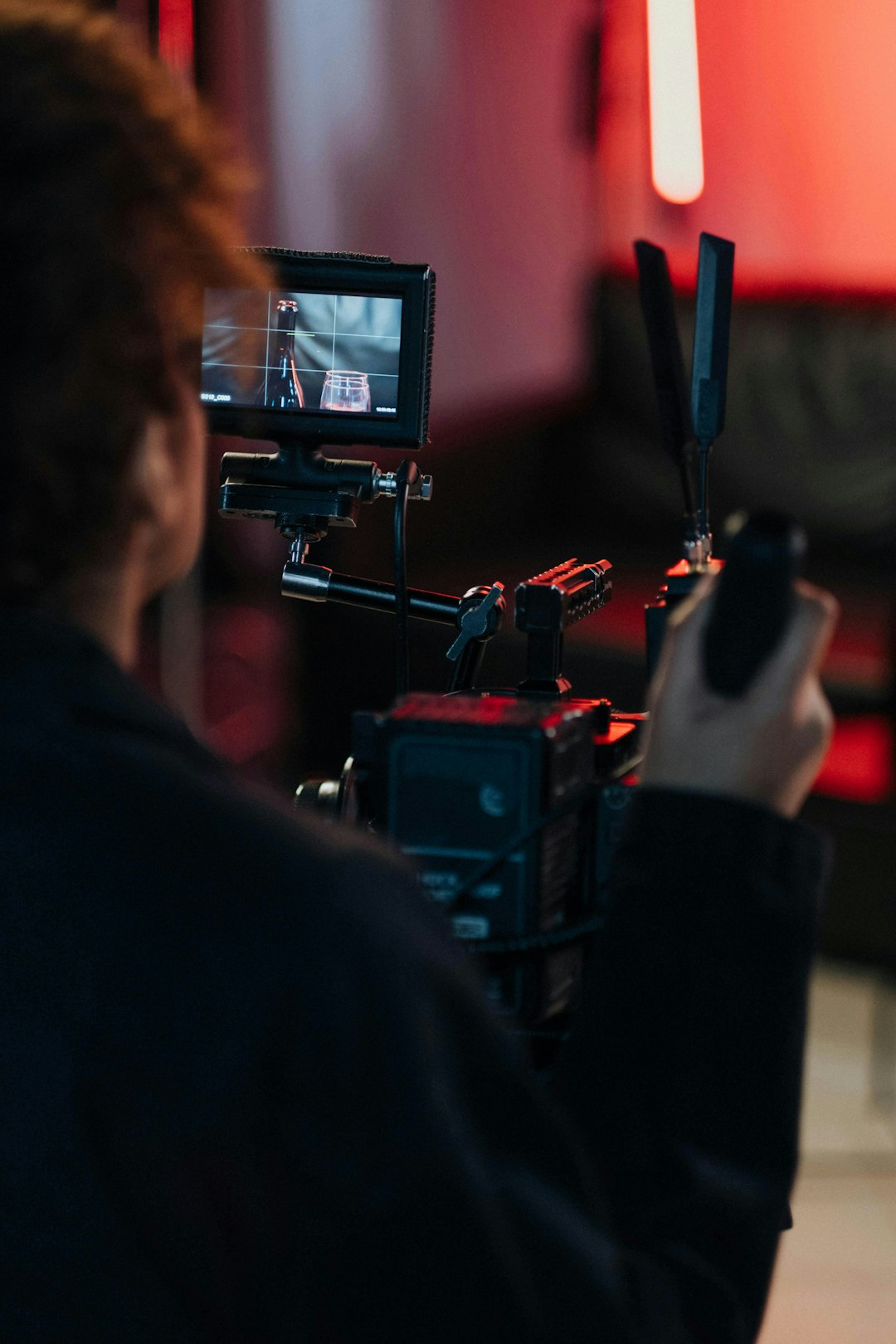
AI voice technology can support many types of promotional content. A product launch video may need a polished narrator to explain features. A paid social ad may require a punchy, enthusiastic voice that quickly communicates urgency. A tutorial video may benefit from a warm, patient tone that guides viewers step by step.
Common uses include:
- Social media ads: Short voiceovers for platforms where brands must communicate value within seconds.
- Product demos: Clear narration that explains how a product works and why it matters.
- Explainer videos: Friendly audio that simplifies complex services, software, or processes.
- Promotional announcements: Voiceovers for sales, launches, limited-time offers, and event campaigns.
- Training and onboarding content: Consistent narration for internal or customer education materials.
- Localized campaigns: Multilingual voiceovers that help brands reach audiences in different regions.
Because AI voice tools can generate many versions quickly, marketers can experiment with tone, pacing, and wording. A campaign team may create one version that sounds energetic, another that feels premium, and a third that uses a casual conversational style. This flexibility supports A/B testing and helps identify which voice style performs best with a target audience.
Benefits for Brands and Marketing Teams
One of the strongest benefits of AI voice solutions is production efficiency. Instead of waiting days for a revised voiceover, a team can update a script and regenerate the audio almost immediately. This is especially valuable when campaign details change, such as pricing, dates, product names, or compliance language.
Another benefit is cost control. Professional human voice talent is valuable, but frequent revisions, multiple languages, and large content libraries can become expensive. AI voiceovers help reduce costs for routine promotional content, especially when a brand needs many variations at scale.
AI voices also support brand consistency. A company can use the same voice style across video ads, website explainers, customer tutorials, and promotional clips. This repeated audio identity can make content feel more unified and recognizable. For brands with strict tone guidelines, AI voice settings can help maintain a steady personality across campaigns.
Choosing the Right Voice for Promotional Content
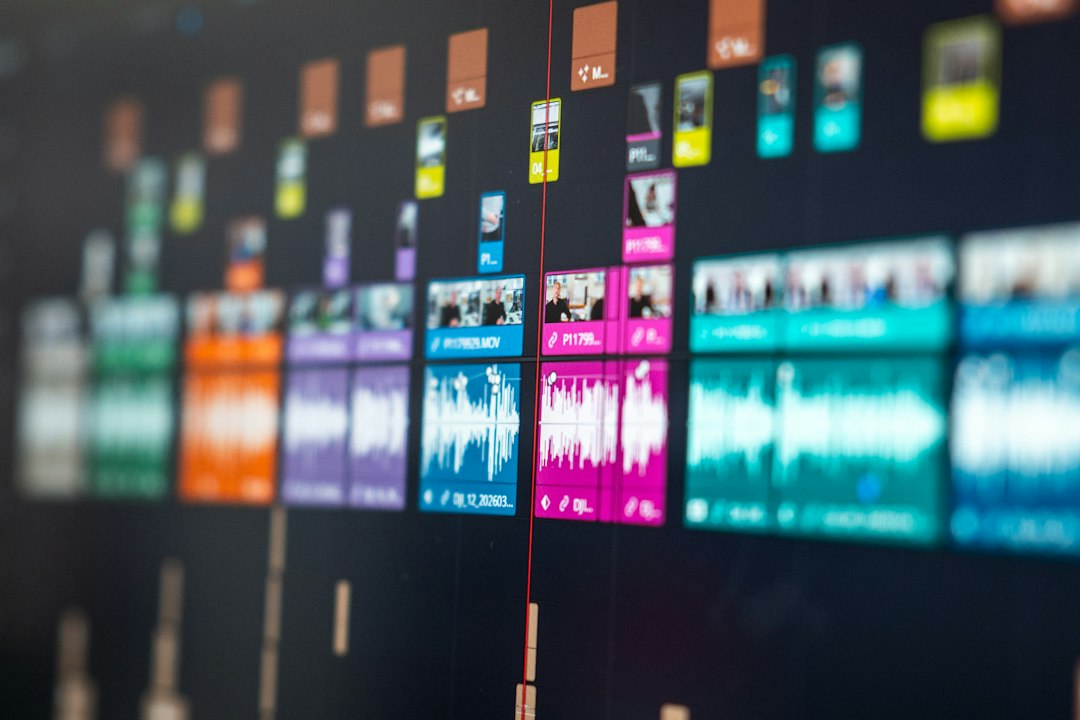
The best AI voice for a campaign depends on the audience, platform, and message. A luxury product may require a calm, refined voice with measured pacing. A fitness promotion may need a confident and energetic delivery. A software tutorial may work best with a clear, neutral, professional tone.
Marketing teams should consider several factors when selecting an AI voice:
- Tone: The voice should match the emotional intent of the campaign.
- Pacing: Fast pacing may work for short ads, while slower pacing may suit explainers.
- Clarity: Pronunciation must be clean, especially for product names and technical terms.
- Audience fit: The voice should feel natural to the demographic being targeted.
- Language and accent: Localized campaigns should sound authentic and respectful.
Even when AI voices are highly realistic, marketers should avoid choosing a voice only because it sounds impressive. The voice must serve the purpose of the content. In promotional media, clarity and persuasion often matter more than dramatic delivery.
Best Practices for AI Voice Marketing Content
AI voiceovers perform best when they begin with a strong script. Marketing scripts should be concise, audience-focused, and structured around a clear call to action. Long sentences can sound unnatural when spoken, so copywriters often improve results by writing in shorter phrases and conversational rhythms.
It is also important to review pronunciation. Product names, brand names, industry terms, and acronyms may require spelling adjustments or phonetic guidance. A small script change can make the difference between a robotic delivery and a polished professional result.
Marketing teams should also match the voiceover with music, visuals, and pacing. A bright, upbeat AI voice may feel out of place with slow cinematic visuals. Similarly, a serious narration may weaken a fast-moving promotional ad. The strongest campaigns align voice, visuals, message, and emotion into one cohesive experience.
Finally, teams should listen to the final version in the environment where the audience will likely hear it. A voiceover that sounds excellent through studio headphones may need adjustments for mobile speakers, social feeds, or noisy environments.
Ethical and Creative Considerations
AI voice technology creates new creative opportunities, but it also requires responsible use. Brands should avoid misleading audiences into believing that a specific person provided a voiceover if that is not true. They should also ensure that generated voices do not imitate real individuals without permission.
Transparency, copyright awareness, and careful licensing are important. Marketing teams should understand the commercial usage rights of any AI voice platform they use. They should also maintain human oversight to confirm that the final content reflects the brand’s values and does not sound insensitive, exaggerated, or emotionally inappropriate.
The Future of AI Voice in Advertising
The future of AI voice solutions in marketing is likely to become more personalized and interactive. Ads may eventually adjust voice style based on audience segment, region, or platform. Promotional videos could be generated in multiple languages with consistent tone and timing. Interactive product demos may use AI narration that responds dynamically to user behavior.
However, the most effective use of this technology will not replace marketing strategy. AI voices are tools that help deliver messages, but they do not define the message itself. Strong campaigns still require audience research, positioning, creative direction, and thoughtful storytelling. When human creativity guides AI voice production, brands can create promotional content that is both scalable and emotionally engaging.
FAQ
What are AI voice solutions for marketing?
AI voice solutions are tools that generate spoken audio from written text. In marketing, they are used to create voiceovers for videos, ads, product demos, explainers, and promotional campaigns.
Are AI voices good enough for professional ads?
Many AI voices are suitable for professional marketing content, especially when scripts are well written and the audio is reviewed carefully. The best results usually come from combining AI generation with human editing and quality control.
Can AI voiceovers be used in multiple languages?
Yes. Many AI voice platforms support multilingual voice generation, which helps brands create localized promotional content for different markets. Marketers should still check pronunciation, cultural tone, and regional accuracy.
Do AI voiceovers replace human voice actors?
AI voiceovers do not fully replace human voice actors. They are useful for speed, scale, and frequent revisions, while human voice talent may still be preferred for highly emotional, character-driven, or premium campaigns.
What makes an AI voiceover sound natural?
A natural AI voiceover usually depends on a conversational script, suitable pacing, correct pronunciation, and a voice style that matches the video’s purpose. Careful editing and listening tests also improve the final result.