
Customer obsession has become a defining trait of companies that consistently outperform their markets. Rather than treating customers as a department’s responsibility, customer-obsessed organizations build products, processes, and decisions around what customers truly need, value, and experience. This approach goes beyond polite service; it requires deep listening, rapid adaptation, and a willingness to measure success through the customer’s eyes.
TLDR: Customer obsession means making customer needs, feedback, and outcomes the central guide for business decisions. For example, a software company that reduces onboarding steps after noticing that 42% of new users abandon setup can improve activation and retention. Businesses that practice customer obsession often use feedback loops, journey mapping, and service metrics to remove friction. The best results come when every team, from product to finance, understands how its choices affect the customer.
What Is Customer Obsession?
Customer obsession is a business philosophy that prioritizes customer needs, expectations, and long-term satisfaction above internal convenience or short-term gains. It means that decisions are not based only on what is easiest, cheapest, or fastest for the company, but on what creates the most meaningful value for customers.
A customer-obsessed company does not simply ask, “How can it sell more?” It asks, “What problem is the customer trying to solve, and how can the company make that easier?” This mindset influences product development, marketing, support, operations, pricing, and leadership priorities.
Customer obsession is often confused with customer service, but the two are different. Customer service usually responds to customer issues after they happen. Customer obsession tries to understand and prevent those issues before they damage the experience.

Why Customer Obsession Matters
In competitive markets, products and prices can often be copied. A consistently strong customer experience is harder to imitate because it depends on culture, systems, and daily habits. When customers feel understood, they are more likely to stay, recommend the brand, and forgive occasional mistakes.
Customer obsession matters because it supports:
- Higher retention: Satisfied customers are less likely to leave for competitors.
- Better product decisions: Feedback reveals which features or improvements actually matter.
- Stronger reputation: Customers often share positive experiences through reviews and referrals.
- Lower support costs: Removing recurring pain points reduces repeated complaints.
- More sustainable growth: Loyal customers can become advocates, reducing dependence on constant acquisition.
For example, an online retailer may discover that customers abandon carts because delivery dates are unclear. A company focused only on sales might offer a discount. A customer-obsessed company would improve delivery transparency, send proactive updates, and reduce uncertainty across the buying journey.
Examples of Customer Obsession
Customer obsession appears in many practical forms. It does not always require large budgets; often, it begins with better attention to customer signals.
1. Product Teams That Build From Feedback
A product team may analyze support tickets, user interviews, and behavior data before planning new features. If customers repeatedly struggle with a dashboard, the team may simplify navigation instead of adding another advanced tool. This shows that the company values usability over feature volume.
2. Support Teams That Solve Root Causes
A support department can be customer-obsessed by tracking not only response time but also whether the same issue keeps happening. If 25% of support requests involve password resets, the company might redesign the login flow, improve recovery options, or clarify instructions.
3. Marketing That Reflects Real Customer Needs
Customer-obsessed marketing avoids exaggerated promises. Instead, it uses language customers actually use to describe their problems. This builds trust because customers feel recognized rather than targeted.
4. Leadership That Listens Directly
Executives in customer-obsessed companies often review feedback, join customer calls, or read complaint summaries. This prevents leaders from becoming disconnected from the everyday customer experience.
Best Practices for Building Customer Obsession
1. Start With Customer Research
Companies should collect both quantitative and qualitative insights. Surveys, interviews, usability tests, reviews, and analytics all reveal different parts of the customer story. Numbers show what is happening, while conversations explain why.
Useful research methods include:
- Customer interviews to understand motivations and frustrations.
- Net Promoter Score surveys to measure loyalty and advocacy.
- Customer effort score to identify how difficult tasks feel.
- Behavior analytics to see where users drop off or hesitate.
- Support ticket analysis to detect recurring pain points.
2. Map the Customer Journey
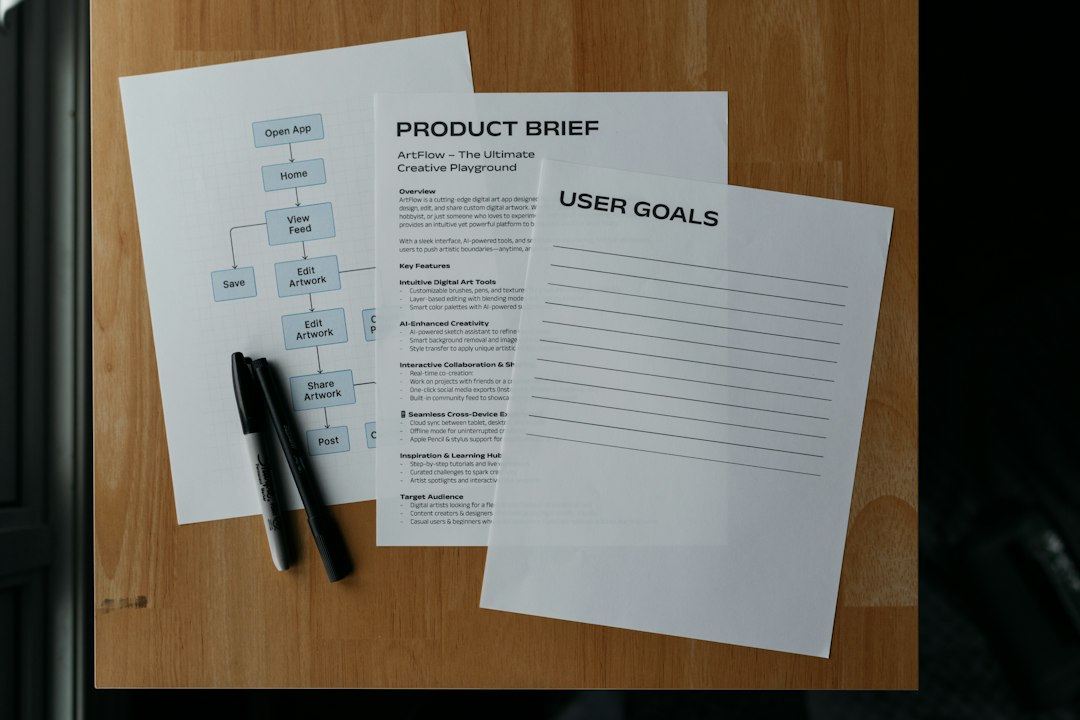
A customer journey map helps teams see every step a person takes, from first awareness to purchase, onboarding, support, renewal, and advocacy. This reveals gaps between what the company thinks happens and what customers actually experience.
For instance, a subscription service may believe cancellation is simple, but a journey map might show that customers must visit three pages, answer repeated questions, and wait for confirmation. A customer-obsessed company would reduce that friction, even if cancellation is not the desired outcome.
3. Empower Employees to Act
Employees closest to customers often know where the biggest issues are. However, they need authority to solve problems. If support agents must ask for approval on every refund, replacement, or exception, customers may feel trapped in bureaucracy.
Customer-obsessed organizations create clear guidelines that allow employees to make reasonable decisions. This improves speed, trust, and morale.
4. Measure What Customers Experience
Traditional metrics such as revenue and conversion rate are important, but they do not tell the full story. Companies should also track customer-focused metrics, including:
- Customer satisfaction score after key interactions.
- Retention rate by customer segment.
- Churn reasons collected through exit feedback.
- Time to resolution for service issues.
- Repeat purchase rate or renewal rate.
The key is to connect these metrics to action. If satisfaction drops after a new checkout design, the company should investigate quickly rather than waiting for a quarterly review.
5. Close the Feedback Loop
Collecting feedback is not enough. Customers should see that their input leads to improvements. When a company changes a feature, updates a policy, or fixes a recurring issue, it can communicate that clearly: “Customers asked for easier billing exports, so this option has been added.”
This kind of message tells customers that feedback matters. It also encourages future participation.
6. Balance Customer Needs With Business Sustainability
Customer obsession does not mean saying yes to every request. Some demands may be unrealistic, unprofitable, or unfair to other customers. The best companies distinguish between individual preferences and widespread needs.
A customer-obsessed business looks for solutions that create value for both sides. It may not build every requested feature, but it explains priorities and offers alternatives when possible.

Common Mistakes to Avoid
Even well-intentioned companies can misunderstand customer obsession. Common mistakes include:
- Relying only on surveys: Surveys are helpful, but they should be combined with behavior data and direct conversations.
- Ignoring internal teams: Employees need tools, training, and support to deliver great experiences.
- Confusing speed with quality: Fast responses matter, but customers care more about complete and accurate solutions.
- Focusing only on loud customers: The most vocal customers are not always representative of the entire market.
- Failing to follow up: Asking for feedback without acting on it can reduce trust.
How Customer Obsession Shapes Culture
A customer-obsessed culture is built through repeated behavior. Leaders must talk about customers regularly, teams must share insights openly, and goals must include customer outcomes. When a finance team considers billing clarity, a product team considers accessibility, and a sales team considers long-term fit, customer obsession becomes part of everyday work.
It also requires humility. Companies must accept that customers may experience the brand differently than intended. The willingness to learn from complaints, confusion, and lost opportunities is what turns customer obsession from a slogan into a competitive advantage.
FAQ
What does customer obsession mean?
Customer obsession means placing customer needs, experiences, and outcomes at the center of business decisions. It focuses on long-term value rather than short-term transactions.
How is customer obsession different from customer service?
Customer service usually responds to problems after they occur. Customer obsession is broader because it aims to understand customers deeply, improve systems, and prevent problems before they happen.
What is an example of customer obsession?
An example is a company redesigning its onboarding process after discovering that many new users quit during setup. Instead of blaming the user, the company removes friction and improves guidance.
Which metrics help measure customer obsession?
Useful metrics include customer satisfaction score, Net Promoter Score, customer effort score, retention rate, churn rate, repeat purchase rate, and time to resolution.
Can small businesses practice customer obsession?
Yes. Small businesses can practice customer obsession by listening closely, responding personally, tracking common requests, improving weak points, and making customers feel valued.
Does customer obsession mean the customer is always right?
No. It means the customer is always worth understanding. A business still needs boundaries, sustainable decisions, and fair policies, but it should make those decisions with customer impact in mind.