
Use feature flags if your team wants safer releases, calmer engineers, and fewer “oh no” deploy moments. A feature flag is a simple switch in your code. It lets you turn a feature on or off without shipping new code. That sounds small. It is not. It changes how teams release software.
TLDR: Feature flags let engineering teams ship code early, test safely, and roll back in seconds. LaunchDarkly is polished, powerful, and great for larger teams. Unleash is a strong choice if you want open source control and lower cost. For example, a payments team can release a new checkout to 5% of users, watch errors for 30 minutes, then ramp to 50% if the numbers stay clean.
What feature flags actually do
Think of a feature flag like a light switch.
The code is already in the room. The switch decides who sees it.
You can show a new feature to:
- Only internal staff
- Only beta users
- Only users in one country
- Only 1% of traffic
- Everyone, when you are ready
This is much safer than a big release at 5 p.m. on Friday. Yes, someone still does that. No, they should not.

Why engineering teams love feature flags
Feature flags help teams split deployment from release.
That is the magic trick.
You can deploy code today. You can release the feature next week. Or next month. Or only to Dave from QA, because Dave breaks everything in useful ways.
Here are the biggest benefits.
1. Safer releases
You can start small. Turn a feature on for 1% of users. Check crash rates. Check latency. Check support tickets.
If things look bad, turn it off.
No rollback panic. No emergency patch. No group chat full of fire emojis.
2. Faster shipping
Teams stop waiting for every feature to be perfect before merging code. That helps with large projects.
Frontend can merge a hidden button. Backend can merge a hidden API path. Product can test it later.
Less waiting. Less branch pain. Fewer merge conflicts from hell.
3. Better testing in production
Staging is useful. But staging lies.
Production has real users. Real traffic. Real weird phones. Real browser plugins from 2011.
Feature flags let you test in production without showing the feature to everyone.
4. Cleaner experiments
You can run A/B tests. You can compare two checkout flows. You can test pricing pages. You can see which version wins.
Good flag tools collect data or connect with analytics systems. That helps product teams stop guessing.
LaunchDarkly vs Unleash
LaunchDarkly and Unleash are two of the best-known feature flag platforms. Both help teams release safely. They just feel different.
LaunchDarkly: polished and full of power
LaunchDarkly is the fancy control room. It has lots of buttons. Most of them are useful.
It is strong for bigger teams that need:
- Advanced targeting by user, plan, region, device, or custom rules
- Percentage rollouts for gradual releases
- Experimentation and metrics
- Audit logs for compliance
- Approvals for risky changes
- Many SDKs for different languages
LaunchDarkly feels very mature. It is good when many teams need one trusted system.
The downside is cost. It can get expensive. Honestly, it feels like buying a sports car when all you needed was a safe bike path, unless your release process is already complex.
Some teams also find the UI a bit heavy. Simple tasks can take more clicks than expected. If you only need “on” and “off,” you may not enjoy all the extra panels.
Unleash: flexible and open source
Unleash is more like a strong toolbox. It is open source. You can self-host it. You can also use the hosted version.
Unleash is great for teams that want:
- Open source control
- Self hosting for data rules or cost reasons
- Simple rollout strategies
- Good SDK support
- Lower cost for many setups
Unleash supports gradual rollouts, user targeting, environments, and strategy rules. It is serious enough for real production work.
The catch is that self-hosting adds chores. Someone has to patch it. Someone has to back it up. Someone has to care when the database gets grumpy at 2 a.m.
Still, for many teams, Unleash hits a sweet spot. It gives you feature flags without locking every release decision inside a high-cost tool.

What about other platforms?
LaunchDarkly and Unleash are not the only options.
Here are a few worth knowing.
Statsig
Statsig is strong for experiments and product analytics. It works well when product teams care about numbers as much as releases.
If your team runs many A/B tests, Statsig may feel natural.
ConfigCat
ConfigCat is simple and friendly. It has a clean setup. It is good for teams that want flags without a huge process.
It may not have every deep enterprise feature, but that can be a plus.
Split
Split focuses on feature delivery and experimentation. It is useful when teams want release control tied closely to impact data.
It can fit companies with mature product and data workflows.
Flagsmith
Flagsmith is another open source option. It offers cloud and self-hosted choices. It is worth comparing with Unleash if open source matters to you.
How feature flags make releases safer
Safe releases need control. Feature flags give you that control.
A normal risky release looks like this:
- Deploy code.
- Hope it works.
- Watch alerts.
- Panic if it fails.
- Rollback under pressure.
A flagged release looks better:
- Deploy hidden code.
- Turn it on for internal users.
- Turn it on for 1% of users.
- Check metrics.
- Raise it to 10%, then 25%, then 100%.
- Turn it off fast if errors spike.
That is boring. Boring is good. Boring means nobody is debugging payment failures during dinner.
A simple real-world example
Say your team is building a new search page.
You add a flag called new_search_experience.
At first, only engineers see it. Then support gets access. Then 5% of users see it.
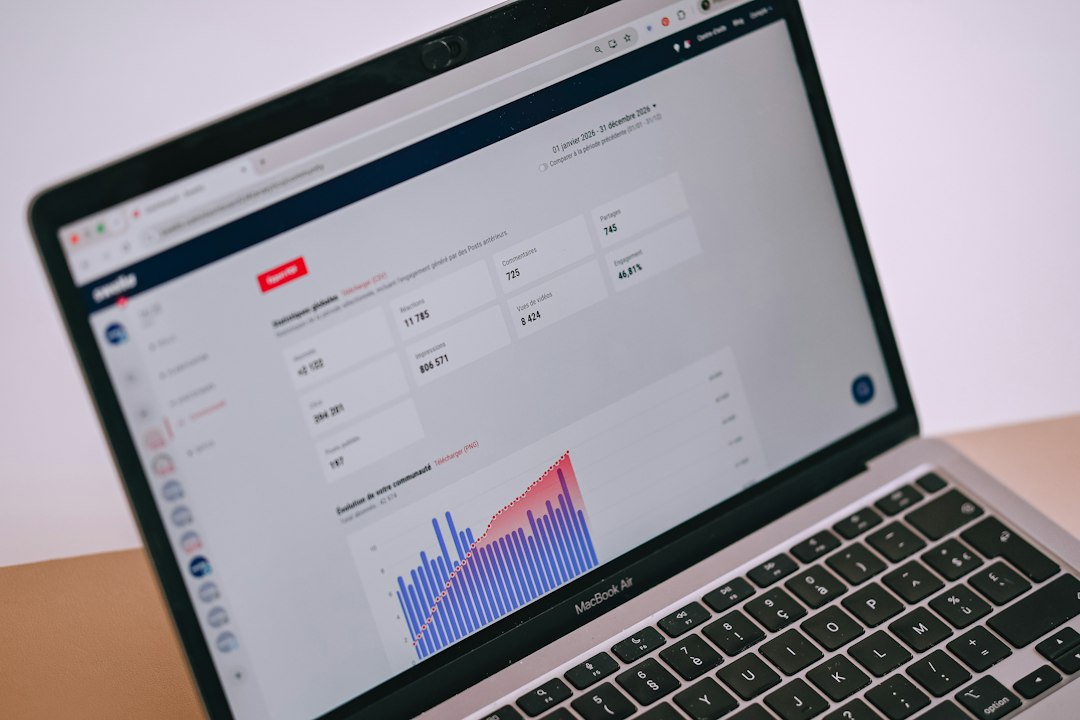
Your dashboard shows the new page is 120 ms faster, but support tickets rise by 8%. Users are confused by one filter.
You turn the flag off for normal users. You fix the filter. Then you try again.
No giant rollback. No messy hotfix. No apology post at midnight.
Feature flags are not free magic
Feature flags can also create mess.
Old flags pile up. Nobody remembers who owns them. Then your codebase starts looking like a garage full of mystery cables.
To stay sane, use simple rules:
- Name flags clearly. Use names that explain the feature.
- Add owners. Every flag needs a human.
- Set expiry dates. Remove release flags after launch.
- Track changes. Know who turned what on.
- Clean up often. Make it part of sprint work.
It drives me crazy when a “temporary” flag is still in code two years later. That is not a flag. That is a fossil.
Which platform should your team choose?
Pick LaunchDarkly if you need a polished, enterprise-ready system. It is a good fit for large teams, strict approval flows, audit needs, and complex targeting.
Pick Unleash if you want open source freedom, self-hosting, and solid release controls without heavy vendor cost.
Pick Statsig if experiments and analytics are central to your product work.
Pick ConfigCat if you want something simple, quick, and friendly.
Pick Flagsmith if you like open source options and want another strong self-hosted path.
The simple takeaway
Feature flags help engineering teams release with less fear. They let you test small, move fast, and recover quickly.
LaunchDarkly gives you power and polish. Unleash gives you control and flexibility. Other platforms may fit better if your team cares most about experiments, simplicity, or open source hosting.
The best tool is the one your team will actually use well. Start small. Flag one risky feature. Roll it out to 5%. Watch the numbers. Then enjoy a release day with fewer alarms and better snacks.