
When people think about search engine optimization, they usually focus on keywords, backlinks, and content quality. While those are essential, there’s another powerful factor working behind the scenes: your web hosting. The type, quality, and configuration of your hosting environment can directly influence how search engines crawl, interpret, and rank your website.
TLDR: Your hosting provider plays a critical role in SEO and search rankings. Fast loading speeds, strong uptime, secure infrastructure, and proper server configuration all influence how search engines evaluate your site. Poor hosting can lead to slow performance, downtime, security risks, and even ranking penalties. Choosing reliable, optimized hosting gives your SEO efforts a stronger foundation and improves long-term visibility.
1. Page Speed: The Speed Factor Search Engines Care About
Speed matters—both for users and search engines. Google has repeatedly confirmed that page speed is a ranking factor, especially for mobile searches. Hosting is one of the most significant components behind your site’s loading time.
Your hosting provider impacts:
- Server response time
- Time to First Byte (TTFB)
- Resource allocation
- Server-side caching capabilities
If you’re on low-quality shared hosting, your site may compete with hundreds of others for server resources. When traffic spikes on another site, your performance can drop. Slower loading pages increase bounce rates—and higher bounce rates signal to search engines that users aren’t finding your content useful.
On the other hand, premium hosting solutions such as VPS, cloud hosting, or dedicated servers provide:
- Better performance stability
- Dedicated resources
- Improved caching mechanisms
- Integration with Content Delivery Networks (CDNs)

When your hosting infrastructure is optimized for speed, user experience improves—and search engines reward that.
2. Uptime and Reliability: Always Be Available
Search engines send bots to crawl your website regularly. If your site is down during those visits, your pages may not get properly indexed. Frequent downtime creates gaps in crawlability and signals unreliability.
High-quality hosting providers often guarantee 99.9% uptime or higher. That might seem like a minor difference compared to 98% uptime, but the math tells a different story:
- 99.9% uptime = about 43 minutes of downtime per month
- 98% uptime = nearly 15 hours of downtime per month
Imagine your online store being unavailable for 15 hours every month. Not only do you lose revenue, but search engines may lower trust in your domain.
Consistency builds authority. When your website remains accessible and stable, crawling becomes more efficient and your SEO efforts compound over time.
3. Server Location and SEO
Your server’s physical location can influence search rankings, particularly for local SEO. Search engines use various signals to determine geographic relevance, and server location is one of them.
If your target audience is in Europe but your server is based in Asia, your users may experience slower load times. While CDNs help bridge this gap, choosing hosting near your primary audience can still provide a performance edge.
Additionally, local IP addresses sometimes contribute to better regional search performance, especially for small and medium businesses targeting specific countries or cities.
Image not found in postmetaFor international websites, cloud hosting combined with a robust CDN ensures that content is served quickly worldwide, improving both user experience and crawl efficiency.
4. Security: Protecting Rankings from Penalties
Security is a ranking signal. Google prioritizes secure websites and flags non-HTTPS sites as “Not Secure” in browsers. Hosting plays a key role in safeguarding your website.
Strong hosting providers offer:
- Free SSL certificates
- Firewall protection
- Malware scanning
- DDoS mitigation
- Automatic backups
If your site gets hacked, several SEO problems can arise:
- Search engines may blacklist your domain
- Spam content may be injected into your pages
- Malicious redirects can damage user trust
- Rankings may drop dramatically
Recovering from such penalties can take weeks or even months. Investing in secure hosting protects not only your data but also your search visibility.
5. Shared Hosting vs VPS vs Dedicated: SEO Implications
Not all hosting types affect SEO equally. Let’s break down how each one can influence your rankings.
Shared Hosting
- Budget-friendly
- Limited resources
- Performance fluctuations
- Potential “bad neighborhood” IP issues
On shared hosting, bad behavior from other websites on the same server can indirectly impact you. If multiple spammy websites share your IP address, it may slightly affect trust signals.
VPS Hosting
- Dedicated portion of server resources
- Better speed stability
- Improved security isolation
- Greater configuration control
For growing websites, VPS offers a strong balance between cost and SEO performance benefits.
Dedicated or Cloud Hosting
- Maximum performance
- Scalable resources
- Full control over server configuration
- High reliability
Large websites, ecommerce stores, and high-traffic blogs benefit significantly from these options. Better stability leads to cleaner crawl patterns and improved ranking consistency.
6. Core Web Vitals and Hosting
Core Web Vitals measure user experience metrics such as:
- Largest Contentful Paint (LCP)
- First Input Delay (FID)
- Cumulative Layout Shift (CLS)
Hosting directly impacts LCP, which measures loading performance. A slow server response delays how fast your main content appears on screen.
Optimized hosting environments improve:
- Database query speed
- Server-side compression
- HTTP/3 support
- Advanced caching layers
All of these technical improvements help your website meet Google’s performance standards and maintain ranking strength.
7. Crawl Budget Efficiency
Search engines allocate a certain “crawl budget” to each website. If your server responds slowly or returns frequent errors, bots waste time trying to access pages.
Common server issues that hurt crawl efficiency include:
- Frequent 500 internal server errors
- Timeouts
- Slow response times
- Improper redirect configurations
Reliable hosting ensures that search bots can quickly and efficiently crawl your pages. That means:
- Faster indexing of new content
- Better updates to existing pages
- Improved visibility for time-sensitive content
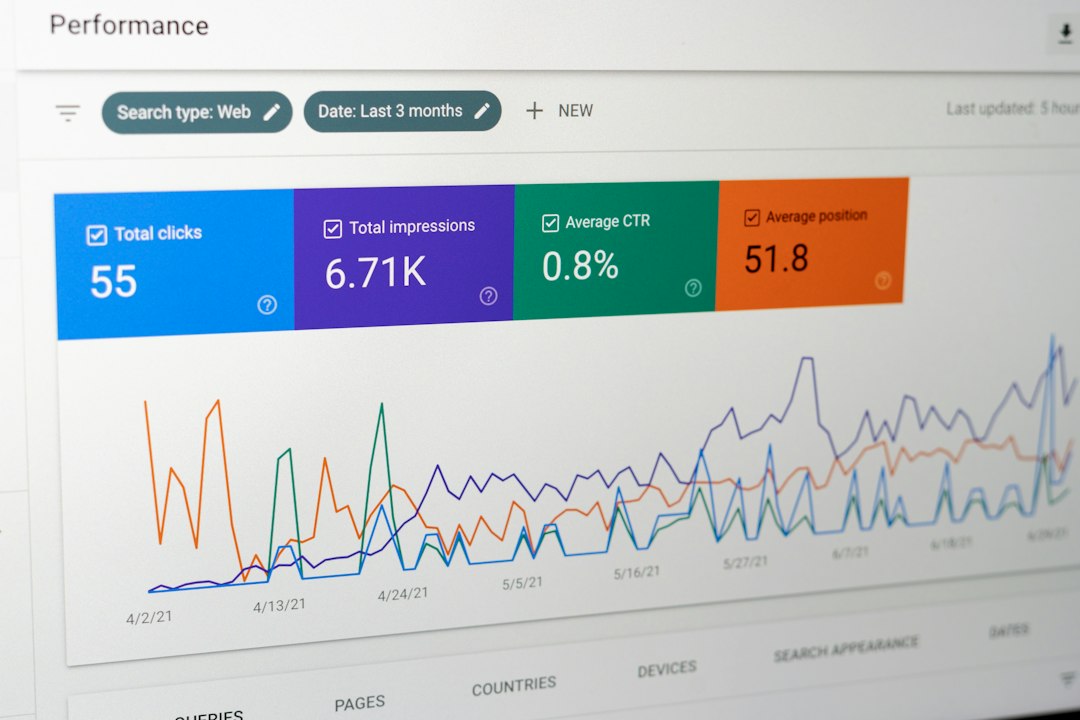
8. Scalability and Traffic Spikes
Imagine publishing a blog post that suddenly goes viral. If your hosting cannot handle the traffic surge, your website could crash. Search engines noticing repeated crashes during high traffic events may interpret your site as unstable.
Scalable hosting solutions automatically allocate more resources during traffic spikes. This prevents:
- Downtime
- Slow load speeds
- Lost rankings
- Poor user engagement signals
SEO isn’t just about ranking—it’s about sustaining visibility once you get there.
9. Technical Control and SEO Customization
Advanced SEO often requires technical adjustments such as:
- Custom server headers
- 301 and 302 redirect management
- Canonicalization control
- Robots.txt configuration
- XML sitemap automation
Higher-tier hosting plans allow deeper server-level control. This flexibility enables developers and SEO professionals to fine-tune technical settings for maximum search performance.
Limited hosting environments may restrict these changes, making it harder to implement technical SEO strategies properly.
10. The Long-Term SEO Impact of Hosting
SEO is cumulative. Small improvements in speed, reliability, security, and crawl efficiency compound over time. Hosting is not a “quick win” factor—it’s a foundational element.
Think of hosting as the soil in which your website grows:
- Fertile soil (optimized hosting) helps content flourish.
- Poor soil (cheap, unstable hosting) restricts growth.
You can invest heavily in content marketing and link building, but if your hosting undermines performance, those efforts yield weaker results.
Final Thoughts
While hosting may seem like a purely technical decision, it has powerful implications for your website’s search performance. From page speed and uptime to security and scalability, the hosting environment shapes how both users and search engines experience your site.
Great SEO starts with a strong foundation. Choosing fast, secure, and reliable hosting ensures that every piece of content you create has the best possible opportunity to rank. In the competitive digital landscape, even seemingly minor performance differences can separate page one from page two.
If you’re serious about long-term growth, don’t treat hosting as an afterthought. Treat it as the backbone of your SEO strategy.