
Flush the DNS cache first when only certain websites fail; restart the router when the whole network is slow, unstable, or offline. That order saves time and lowers the chance of disrupting other devices. DNS cache flushing is quick, local, and low risk. A router restart is broader and can interrupt every phone, laptop, camera, printer, and smart device connected to it.
TLDR: If example.com will not load but other sites work, clear DNS cache on the affected device first. If every site is slow, video calls drop, or multiple devices lose connection, restart the router. In one common small office case, 8 out of 10 “website is down” complaints are caused by stale DNS records or local resolver issues, not a broken internet line. Try the 30-second DNS flush before power cycling hardware for 3 to 5 minutes.
What “Network Cache” Usually Means
Network cache is a broad term. In troubleshooting, it often points to stored connection data that helps devices reach websites faster. That data can become outdated, corrupt, or mismatched after a website moves servers, a VPN changes routes, or an internet provider has a brief outage.
The two most common fixes are:
- DNS cache flush: Clears stored domain name lookups on your computer, phone, or browser.
- Router restart: Reboots the device that manages traffic between your local network and the internet.
They solve different problems. Treating them as the same fix leads to wasted time. It drives people crazy when a router reboot kicks everyone offline, only to find that one laptop had a stale DNS entry the whole time.
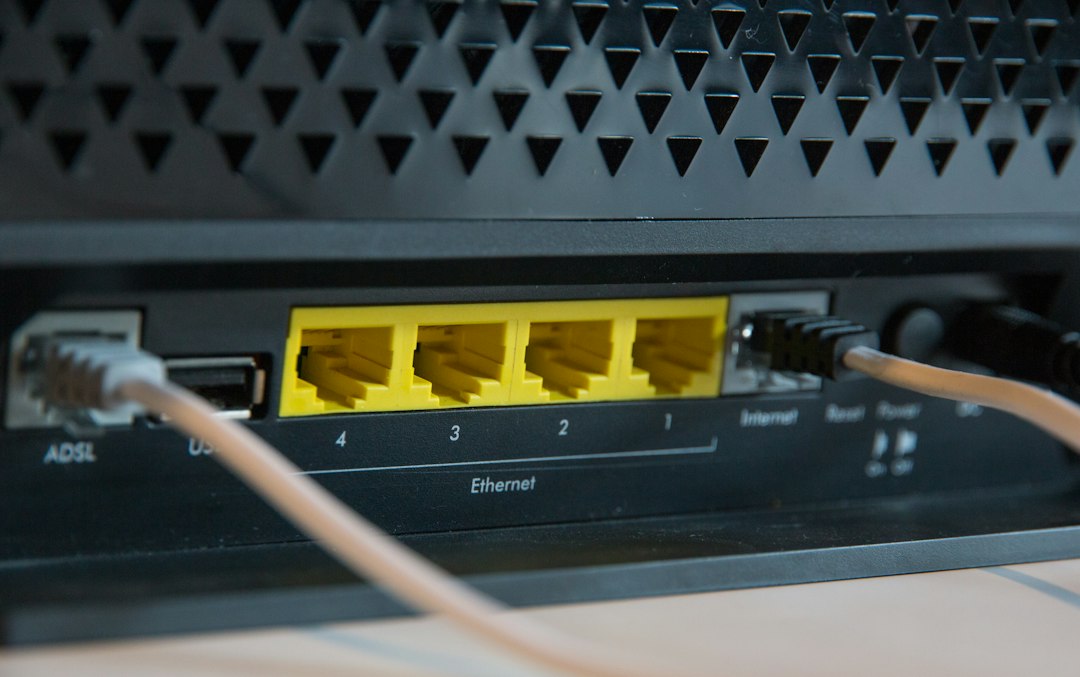
DNS Cache Flush: Best for Website Lookup Problems
DNS is the system that changes a domain name, such as yourbank.com, into an IP address. Your device stores recent DNS answers so it does not have to ask again each time. That improves speed, but cached answers can go bad.
A DNS flush is the right first step when you see symptoms like these:
- One website will not open, but others work.
- A site opens on your phone using mobile data but not on your laptop using Wi Fi.
- You recently changed DNS records for a domain.
- You switched VPNs and some services stopped loading.
- You see errors such as DNS_PROBE_FINISHED_NXDOMAIN or server IP address could not be found.
A DNS flush does not erase passwords, files, bookmarks, or Wi Fi settings. It simply forces the device to ask for fresh DNS information. In most cases, it takes less than one minute.
How to Flush DNS Cache
Use the method for your operating system. Run commands with care, especially on work devices with security controls.
Windows
- Open the Start menu.
- Type cmd.
- Right click Command Prompt and select Run as administrator.
- Enter:
ipconfig /flushdns - Look for the message: Successfully flushed the DNS Resolver Cache.
macOS
Open Terminal and run the command that fits modern macOS versions:
sudo dscacheutil -flushcache; sudo killall -HUP mDNSResponder
You may need to enter your admin password. Terminal may not show a success message. That is normal.
Linux
Linux varies by distribution and resolver service. Common commands include:
sudo resolvectl flush-cachessudo systemd-resolve --flush-cachessudo service nscd restart
If one command fails, your system may not use that resolver. Check your distribution documentation or ask your IT team.
Browser DNS Cache
Browsers may keep their own DNS cache. This is annoying because a command line flush can work, yet the browser still clings to bad data for a few extra minutes.
- Chrome: Go to
chrome://net-internals/#dnsand clear host cache if available. - Edge: Go to
edge://net-internals/#dns. - Firefox: Restart the browser, or clear recent history with cache selected.
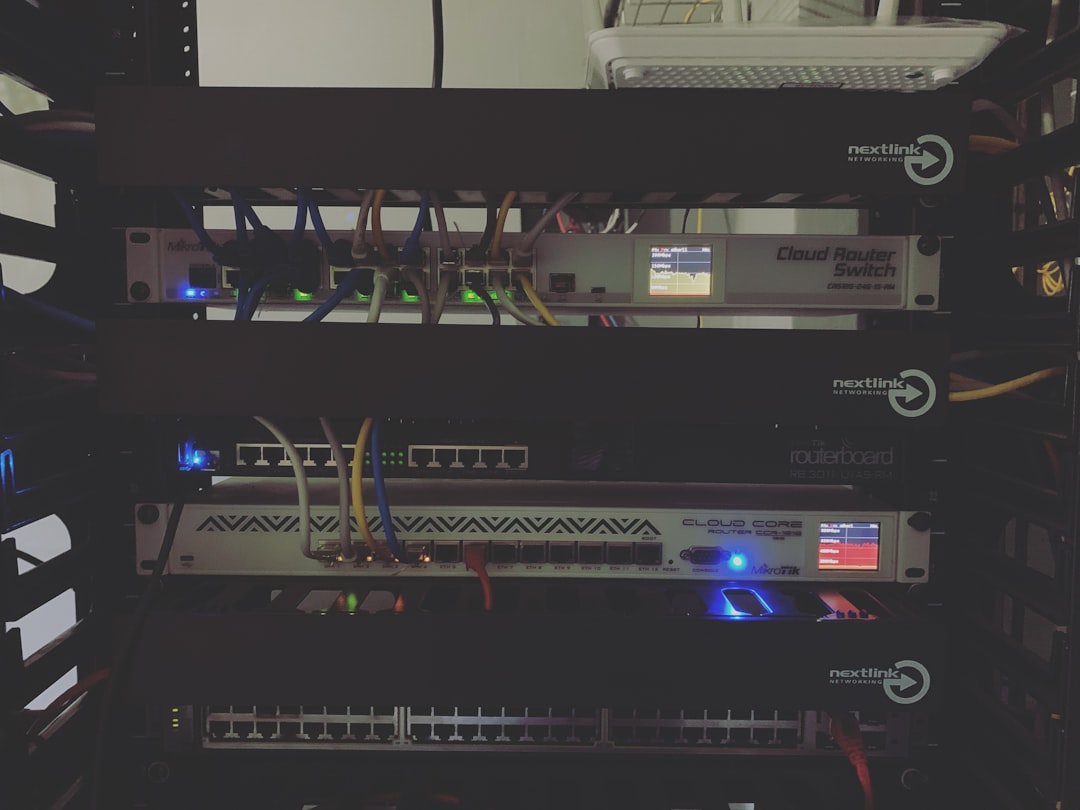
Router Restart: Best for Whole Network Problems
A router restart is broader. It clears temporary router memory, renews certain network sessions, and can force a fresh connection to your internet provider. It may also clean up glitches from overheating, firmware bugs, or overloaded connection tables.
Restart the router when you see these signs:
- All devices are slow or offline.
- Wi Fi connects but says no internet.
- Video calls freeze across multiple devices.
- Speed tests are far below normal on wired and wireless devices.
- Smart TVs, phones, and laptops all fail at the same time.
- The router web page is sluggish or unreachable.
Do not press the reset pinhole unless you mean to factory reset the router. That can erase Wi Fi names, passwords, port rules, parental controls, and ISP settings. For troubleshooting, you usually want a restart, not a reset.
How to Restart a Router Safely
- Tell other users the network will drop for a few minutes.
- Unplug the router power cable.
- If you have a separate modem, unplug that too.
- Wait at least 30 seconds. For stubborn issues, wait 2 minutes.
- Plug in the modem first, if separate.
- Wait until its internet light is stable.
- Plug in the router.
- Wait 2 to 5 minutes for Wi Fi and routing to return.
After the restart, test with one wired device if possible. A wired test removes weak Wi Fi signal from the picture. If wired speed is normal but Wi Fi is poor, the problem is likely wireless interference, distance, or router placement.
DNS Flush vs Router Restart: Which One Should You Use?
| Problem | Best First Fix | Why |
|---|---|---|
| Only one website fails | DNS cache flush | Likely a stale domain lookup. |
| All websites fail on one laptop | DNS flush, then check adapter settings | The issue may be local to that device. |
| All devices are slow | Router restart | The shared network device may be stuck. |
| Wi Fi drops every few minutes | Router restart | The router or access point may be unstable. |
| Website changed servers recently | DNS cache flush | Your device may still point to the old address. |
A Practical Troubleshooting Order
Use a simple order. It reduces guesswork and keeps downtime short.
- Test another website. If only one fails, suspect DNS or the website itself.
- Test another device. If one device fails, fix that device first.
- Flush DNS cache. This is fast and does not disturb others.
- Restart the browser. Some browsers hold separate cache data.
- Try another DNS resolver. Common choices include your ISP DNS, Google DNS, Cloudflare DNS, or a business DNS service.
- Restart the router. Use this when several devices are affected.
- Check outage status. Your ISP, VPN provider, or cloud service may have an incident.
When These Fixes Will Not Help
DNS flushing and router restarts are useful, but they are not magic. Expect to waste time if you keep repeating them without checking the real fault.
They usually will not fix:
- A website that is actually down.
- An unpaid internet bill or suspended service.
- Damaged cables.
- Weak Wi Fi caused by thick walls or long distance.
- Malware or aggressive security software blocking traffic.
- Incorrect static IP, gateway, or DNS settings.
- ISP outages outside your building.
If the issue returns every day, collect evidence. Record the time, affected devices, error messages, Wi Fi signal strength, and speed test results. A pattern is more useful than another blind restart.
Security and Business Considerations
On business networks, ask before restarting shared equipment. A router, firewall, or gateway may support payment systems, phones, alarms, cameras, or remote workers. A restart at the wrong time can interrupt calls, file transfers, and active sessions.
DNS changes also matter in managed environments. Companies may use private DNS to reach internal tools. Changing DNS servers without approval can break access or bypass filtering rules. If a work laptop has endpoint protection, follow internal support steps.
The Reliable Rule
Use DNS flushing for name resolution problems. Use router restarts for shared connection problems. If one site fails on one device, flush DNS first. If every device struggles, restart the router in a controlled way. That simple split solves many common network issues without needless disruption.