
With the sharp increase in regulatory oversight and digital transformation in the healthcare industry, the importance of integrating compliance data skills into health programs cannot be overstated. Institutions and healthcare professionals need a solid foundation in collecting, interpreting, and using compliance-related data to stay within legal boundaries and deliver quality patient care. This makes teaching compliance data skills not only necessary but strategically vital.
TLDR Summary
Teaching compliance data skills in health programs means equipping healthcare professionals with the knowledge to navigate complex regulatory environments using data-driven decision-making. This involves a mix of theoretical knowledge and applied skills, particularly in data collection, risk assessment, and reporting. Programs should be tailored to healthcare contexts and use real-world case studies. Ultimately, proficient compliance data education improves patient safety, legal adherence, and institutional credibility.
Why Compliance Data Skills Matter in Healthcare
Compliance in healthcare encompasses adherence to laws, regulations, and standards that govern clinical practices, data privacy, billing, and quality assurance. Increasingly, these areas require not only subject-matter knowledge but also a solid understanding of how to use data to monitor and drive compliance. Organizations that fail to equip their staff with these skills risk legal repercussions, financial penalties, and severe damage to reputation.
Compliance data skills empower professionals to:
- Identify and monitor risks across healthcare operations
- Generate accurate and timely reports for audits and inspections
- Leverage data analytics to improve policy enforcement and patient outcomes
- Ensure data privacy and security in accordance with HIPAA and GDPR regulations
Foundations Before Curriculum Design
Before developing a training program, it’s essential to understand the specific needs of the healthcare setting. Hospitals, community clinics, and health insurance organizations all face different compliance challenges. Conducting a needs assessment allows educators to tailor the curriculum content to the real-world scenarios participants will face in their work environments.
Key pre-design questions include:
- What are the prevalent compliance issues in this healthcare environment?
- Which data systems are staff currently using?
- What is the existing level of data literacy among team members?
Core Components of a Compliance Data Skills Curriculum
A focused compliance training program should cover essential domains to develop well-rounded data competence in healthcare professionals. The following components serve as the backbone of such a program:
1. Regulatory Frameworks and Policies
Students must start by familiarizing themselves with applicable compliance laws and standards. Modules should include:
- HIPAA (Health Insurance Portability and Accountability Act)
- HITECH Act
- GDPR (General Data Protection Regulation) for international contexts
- Accreditation standards from the Joint Commission and other bodies
2. Data Literacy and Interpretation
This section focuses on developing basic data handling skills, including:
- Understanding data types and structures (structured vs unstructured data)
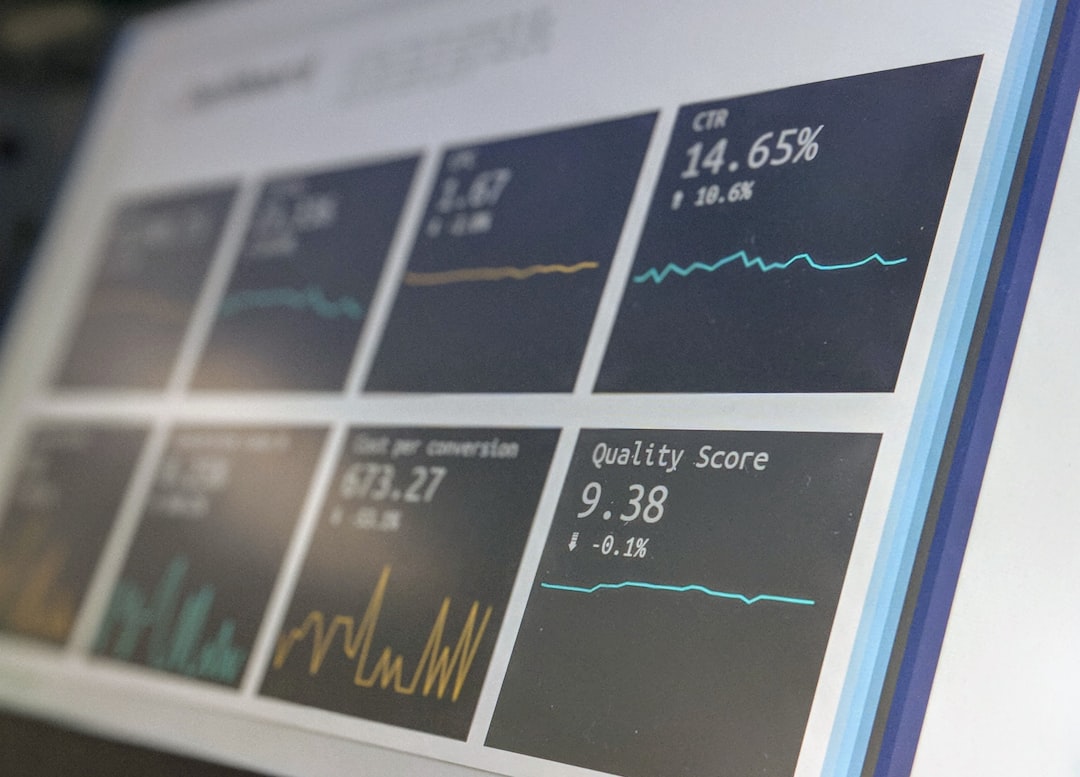
- Reading and interpreting dashboards and compliance logs
- Using software tools for data visualization and validation
3. Risk Management and Incident Detection
Equip learners with the ability to identify and mitigate compliance risks using data. Core topics include:
- Developing and monitoring risk indicators
- Conducting root cause analysis from event data
- Setting up alert systems for non-compliant activities
4. Digital Systems and Reporting
Healthcare settings rely on Electronic Health Records (EHRs) and other digital platforms. Students must be trained on:
- Entering and retrieving compliance data from EHR systems
- Creating reports for internal and external compliance audits
- Automating reports while ensuring data integrity
Effective Teaching Strategies
How compliance data is taught is just as critical as what is being taught. Given the complexity and technical nature of this knowledge, teaching methods should prioritize engagement, retention, and application.
1. Scenario-Based Learning
Case studies and real-world situations are excellent tools for contextualizing data-driven decision-making in compliance. For example, guiding students through the documentation of a data breach or an incorrect billing practice helps solidify abstract concepts into practical understanding.
2. Interdisciplinary Instruction
Collaborate with data analysts, legal consultants, and software vendors to offer insight from multiple points of view. Interdepartmental workshops can also simulate real-life cooperation between compliance officers and clinicians, encouraging collaboration and communication.
3. Hands-On Exercises
Simulations using compliance software or sandbox EHR environments encourage active participation. Learners practice running queries, entering logs, and generating compliance reports under controlled conditions, so they’re better prepared for real-world implementation.

4. Continuity Through Microlearning
Especially for adult learners and healthcare staff with time limitations, offering bite-sized modules helps build and maintain skill over time. Modules can be organized by topic and include quizzes, interactive graphs, and short articles delivered periodically.
Measuring Success and Learning Outcomes
Success should be defined by more than course completion. Effective compliance data training results in behavioral and systemic change. To measure results, use the following KPIs:
- Post-training data entry and report accuracy
- Reduced compliance violations and audit findings
- Improved speed in responding to compliance alerts
- Employee feedback on comfort and confidence with systems
Updating and Maintaining the Program
Regulatory requirements and technology platforms evolve rapidly. Therefore, program content must be updated annually at a minimum to ensure continued relevance. Partnerships with regulatory bodies and health IT companies can provide early notice of emerging compliance guidelines or digital tools.
Recommended update strategies include:
- Subscription to industry compliance bulletins
- Annual curriculum review by a rotating panel of experts
- Alumni surveys to modify teaching methods based on real-world needs
Overcoming Common Barriers
Despite the necessity of compliance data skills, many programs face challenges implementing them. Common barriers include:
- Lack of qualified instructors experienced in both healthcare and data science
- Budget constraints that limit the use of interactive platforms and simulations
- Resistance to change from long-tenured staff used to manual systems
Solutions include forming academic-industry partnerships, applying for grant funding, and integrating change management principles into training modules.
Conclusion
Fostering compliance data mastery within health programs is an investment in both regulatory safety and superior patient care. By focusing on regulatory knowledge, data competence, and real-world application, educational programs can create healthcare professionals who don’t just follow the rules — they understand, analyze, and improve their compliance environments.
As regulation becomes more data-driven and less forgiving of negligence, organizations that train their workforce responsibly today are the ones best equipped to thrive tomorrow.