
Video content has become one of the most popular ways to provide information and tell stories. Videos can be used for educational tutorials, expert interviews, product demos, and fun discussions. Often there is a lot of useful information within the spoken word.
But not everyone wants to spend the time watching videos to find the information they require. This is where you can help!
By converting the transcript of a video into an article, you can provide the useful information and ideas from the video in an easy-to-find format.
However, you cannot just use the spoken word from a video. You need to think about how you can create original content that is easy to read and useful. Since people already prefer videos, you have the tough job of making your articles interesting and worth reading.
You can do this by doing the following.

Start by Getting an Accurate Transcript of Your Video
To get started, you will need to create a transcript of your video. This allows you to view the important information from your speaker clearly without having to watch the whole video multiple times.
There are various auto-transcription functions that can be used on video platforms or dedicated tools.
However, transcripts from automated tools can sometimes be inaccurate. Names, technical terms, slang, and fast sentences can often be confused. For this reason, you should spend some time reviewing and amending the transcript.
If you would like, you can use an AI text detector, which can become a part of your review process. After the tool checks the text, you should thoroughly read it to make any other changes you need.
Once you have a clean transcript, you can split this into paragraphs to help you understand what is being discussed. Having a reliable transcript provides a much better base to create an accurate article.
Identify the Main Ideas and Understand Your Audience
Now that you have got your transcript, you will need to understand what the video is about.
Do not jump straight into rewriting each sentence. You should first read through the transcript and understand what the main topic is and what key points, examples, and supporting facts the video is showing.
Then, understand who would benefit from you sharing this information.
A video about entertainment trends may appeal to those wanting to find out about new content, compare streaming services, and find out how to use their browser to watch movies and shows.
You can write this into an article by putting the information across in a way that the reader will find useful.
If the video talks about a lot of topics, you should pick out which of these fit together and which should be written about separately. This will help you to keep your article on track and avoid having separate unrelated paragraphs.
Create a Fresh Outline Before Writing Your Article

After listing out the key points from the video, create a new outline. This is important to do, as spoken conversations are usually not structured as you need for a well-written article.
There may be some repetition, jumping from one topic to another, and anecdotes presented before getting to the point.
This will help you create a logical flow of ideas that would make sense when a reader comes across your article. Start with an intro paragraph explaining what the topic is and why it matters.
Split the text into a few subheadings so that you can go through different parts of the topic. The headings should clearly show what each section will be about.
If your video is about how to create travel videos, then your outline could include headings for picking locations, filming, editing, and sharing.
You can rearrange the information the way you feel will make more sense. Creating a new outline will also stop your article from sounding like a written version of the video.
Add Original Research and Supporting Information
The transcript can be a great source, but you should ensure that you are not just using this as your only source. To make your article valuable to the reader, you will need to add more information to key points.
For example, if your video is focused around how creators create and share videos on the internet, you could research popular formats of video, what is required on different platforms, how to structure your content or how people consume digital media.
This will give your article more information than the original recording. You should check that the information is accurate.
Ensure the date of publication is correct, statistics are from their original source, and do not include anyone’s opinion. Also try to note when information has been provided by the speaker and when it has been found out by you.
Originality does not mean you have to make up information or alter facts. It means taking reliable information and putting it together with your own explanation.
Rewrite Video Language Into Reader-Friendly Prose
One of the main differences between a script and an article is the way in which the information is delivered.
People naturally tend to speak in a different way.
This could involve them speaking in run-on sentences, repeating phrases, pausing often, or adding extra unnecessary information. This can cause a problem when trying to convert a script into an article.
Your job is to make the information flow better while not shying away from the facts.
For example, if the speaker goes over the same point three times but says it in a slightly different way each time, you can combine these into one paragraph. You can remove any unnecessary filler phrases and add transition phrases when you feel like the topic has changed.
The article should be easy to understand. Make sure you do not leave your reader to have to decipher long sentences or unusual vocabulary.
Your style should remain the same throughout the article so that it looks like it has been written by someone who understands the topic.
Use Examples and Practical Details to Make Your Content More Valuable
Your article should go beyond just explaining general concepts by providing real-life examples.
Transcripts will often have useful examples, personal anecdotes, comparisons, and explanations that can be turned into better sections within your article.
For example, if the video creator explains how they structure their video files before editing, you could explain how you would split your recordings into folders for each scene, name key clips, and group any supporting audio files.
This makes the advice much clearer to your readers. You can also include extra examples that are relevant to your audience, but make sure they are factual and you make it clear they’re just examples.
If there is a demonstration within the original video, you could explain what the most useful parts were in your own words. You could also briefly explain why a particular method works well.
Include Relevant Links, Images, and Additional Media
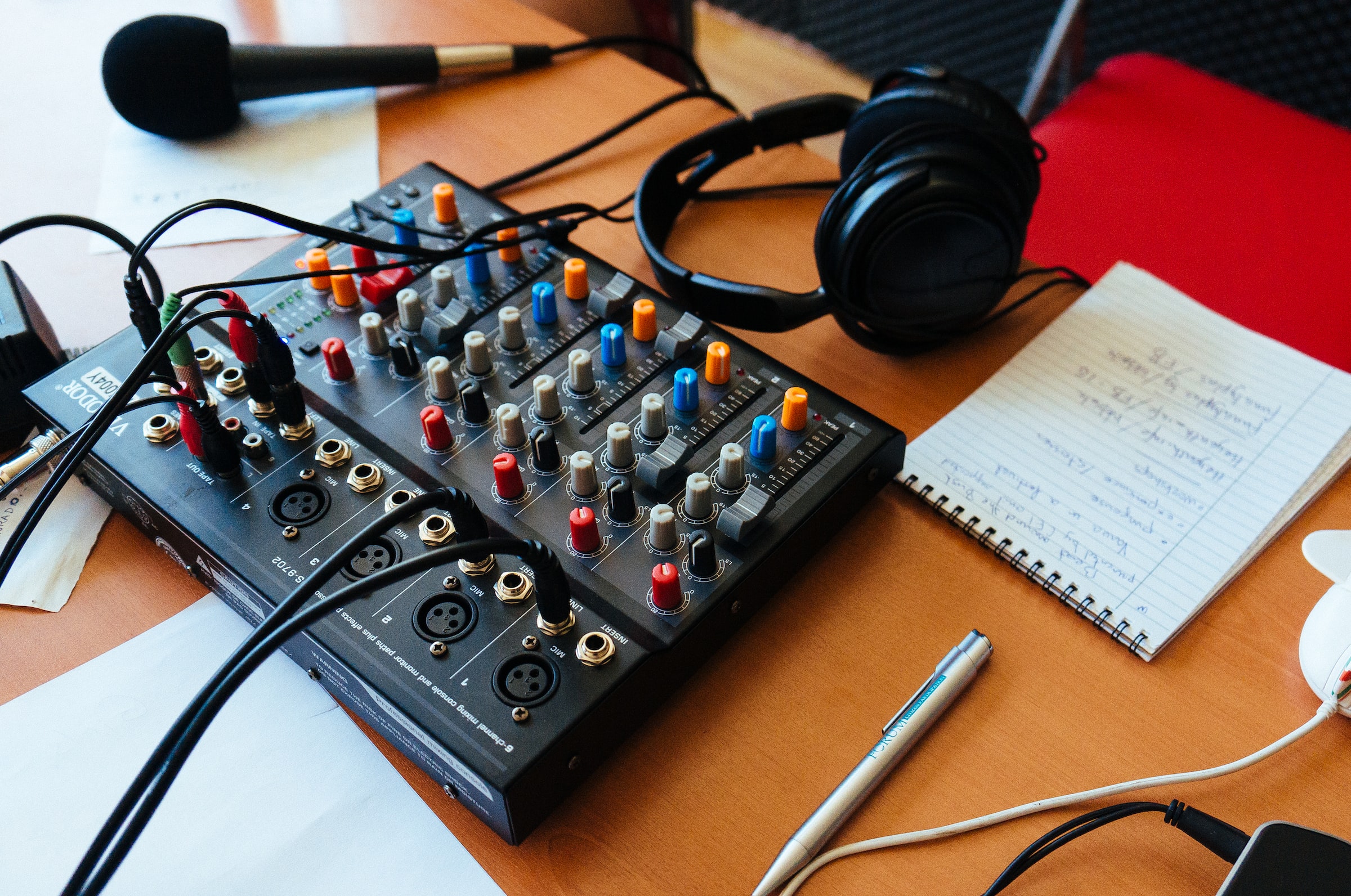
Adding visuals and useful links can make your content much more interesting. If your article was inspired by a video, you can add an embedded version.
This gives the reader the chance to look at the original source material. You can also add screenshots, diagrams and images that will help explain key parts of your article.
For example, if you write about organising your video projects, adding an image of an organised editing layout would be useful. You have to make sure all of your images are relevant, correctly labelled, and have descriptive text that your readers can understand.
Using internal linking will help the reader find other articles related to your topic. External linking will also enable them to find reliable information to back up your article.
This will give your article a more rounded feel and allow your visitors to look into topics that interest them. Always ensure that you are respecting copyright and have permission to embed, copy, recreate, or share other people’s videos or visuals.
Final Thoughts
Taking transcripts from videos and transforming them into unique articles is a great way to get valuable information out there. But there is a lot more to it than just looking at a video and writing an article out of it.
To transform your transcript into a quality article, you will need to understand the context of the discussion. Break down the main points from the transcript and carry out extra research to create your article. Including examples and headings will help make your article more useful.
Most importantly, you should always think about your audience. Your article should answer their questions and provide them with a useful resource.
By keeping your methods consistent throughout your transcription, research, writing, and editing, you can use existing video content to create meaningful written resources.
This means you can increase the value of your content and give people an article they can find and read.