Ideogram is usually the better pick for design work that needs readable text, while Midjourney is stronger for polished art direction, mood, and high-end visual style. A designer creating posters, logo concepts, ad mockups, or social graphics will often get usable typography faster from Ideogram. A creative director chasing cinematic lighting, fashion concepts, fantasy scenes, or premium campaign visuals will likely prefer Midjourney.
TLDR: Ideogram wins when the brief includes words inside the image, such as “Summer Sale 40% Off” on a retail poster. Midjourney wins when the brief is about visual richness, texture, atmosphere, or striking art style. In a small design workflow, Ideogram may save 20 to 30 minutes per concept round because fewer text fixes are needed. Midjourney may still produce the image that gets picked for a campaign mood board because its results often feel more refined.
Quick Comparison
- Best for text in images: Ideogram
- Best for artistic quality: Midjourney
- Best for logo concept prompts: Ideogram, with editing afterward
- Best for mood boards: Midjourney
- Best for beginners: Ideogram feels simpler
- Best for visual experimentation: Midjourney
Both tools can create strong visuals from text prompts. Both can help studios, marketers, illustrators, and brand teams move faster. Yet they feel very different in daily use. Ideogram behaves more like a practical design assistant. Midjourney feels more like an art director with a sharp eye and a stubborn personality.
Ideogram: Strong Text, Fast Design Concepts
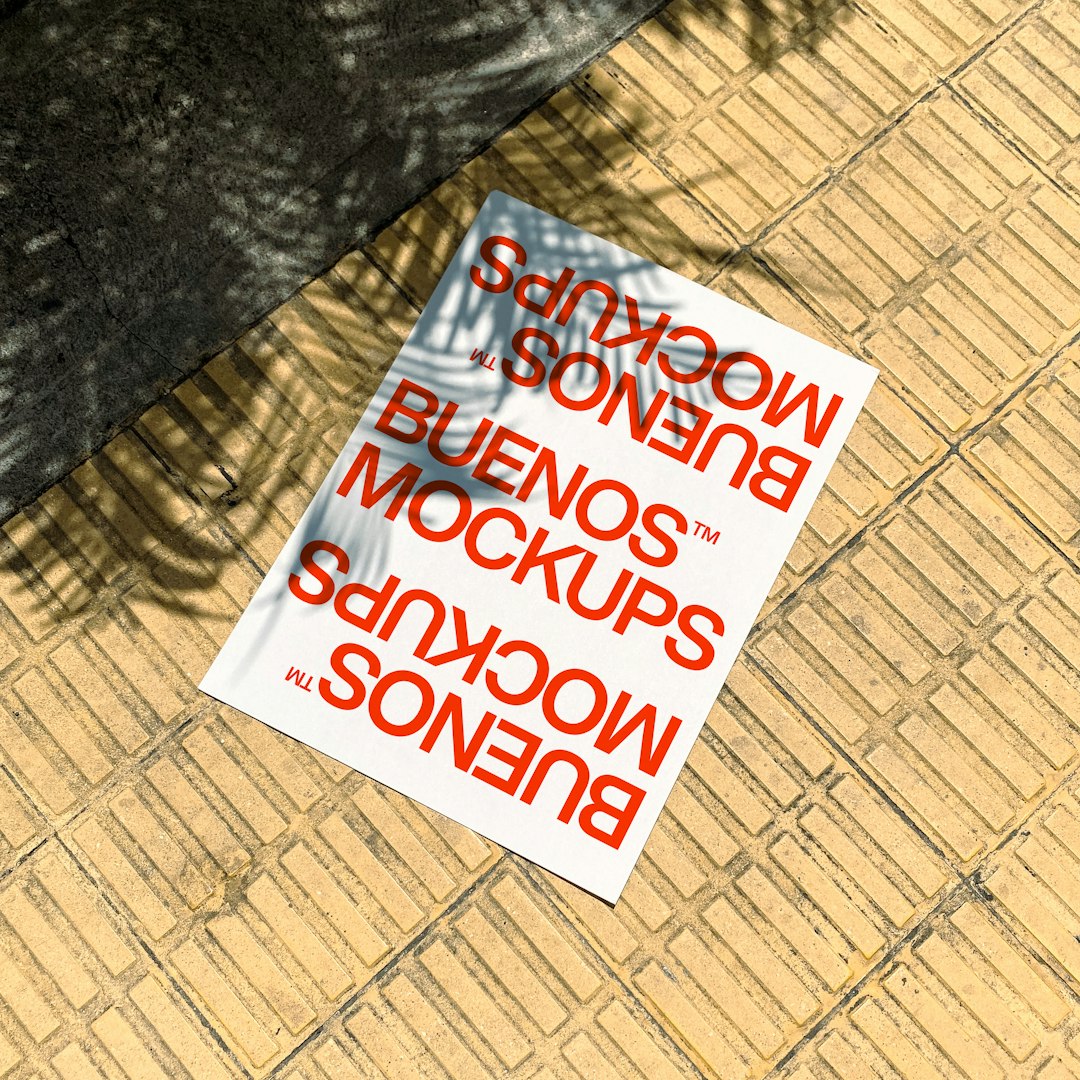
Ideogram’s biggest advantage is text rendering. It was built with typography in mind, and that shows. It can place short phrases, brand-style slogans, product names, and poster titles with better accuracy than many image generators.
That matters more than some users expect. A social post with garbled text is not “almost done.” It is broken. A flyer with one wrong letter can make a brand look careless. Ideogram reduces that pain. It is not perfect, but it often gives a designer a cleaner first draft.
It works well for:
- Posters with bold headlines
- Social media ads with promotional copy
- Logo concept sketches that include names or initials
- Merch designs such as shirts, stickers, and mugs
- Event graphics with a date, title, or venue name
The catch is that Ideogram can feel less sophisticated when the brief calls for deep atmosphere or a luxury editorial look. It can produce attractive images, but Midjourney often adds richer lighting, smoother composition, and more dramatic detail without as much prompt tuning.
Midjourney: Better Mood, Style, and Polish
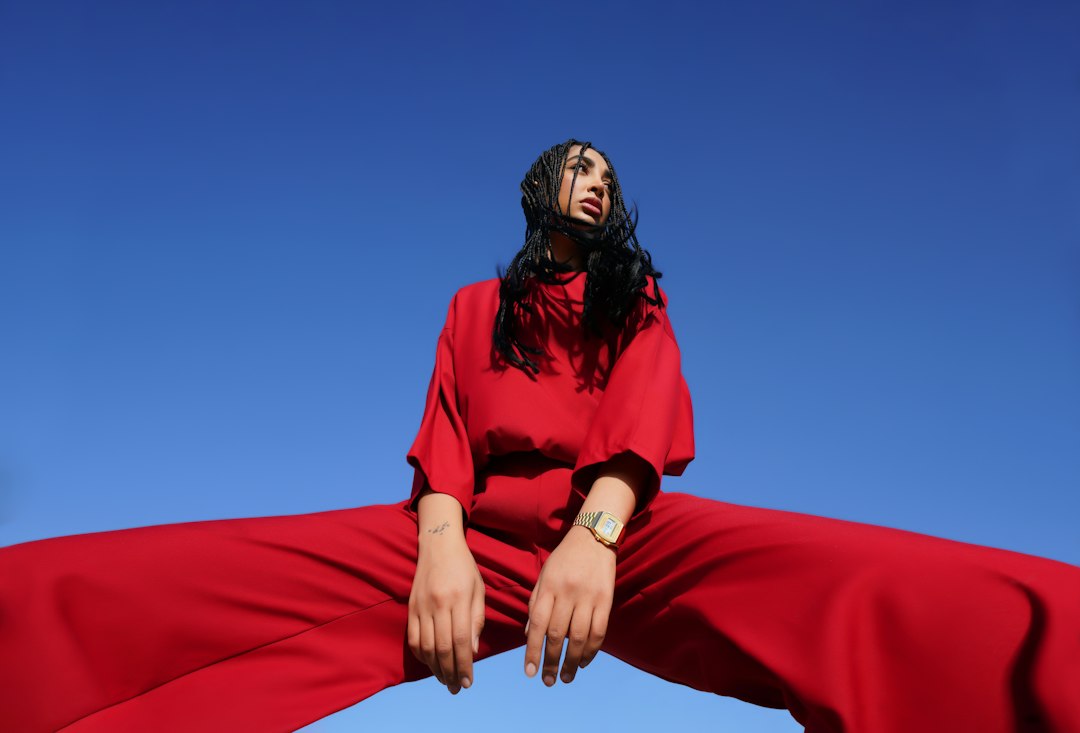
Midjourney is famous for beautiful images. It handles style, texture, lighting, and composition extremely well. Its output often has a visual confidence that designers can use for pitch decks, concept art, campaign boards, packaging inspiration, or editorial mockups.
Midjourney is especially strong for:
- Brand mood boards and campaign directions
- Fashion, beauty, and lifestyle visuals
- Product scene concepts with dramatic lighting
- Game, film, and character art
- Architectural and interior design concepts
Its weakness is predictable: text. Midjourney has improved, but lettering can still come out warped, misspelled, or oddly spaced. It drives many teams crazy that a beautiful poster concept can fail because one word looks like it came from a fake alphabet. That means extra editing in Photoshop, Illustrator, Figma, or another design tool.
Prompting and Control
Ideogram is easier for users who want a direct path from idea to image. A prompt such as “modern coffee shop poster with the words Fresh Roast Friday, warm brown palette, clean typography” can produce a useful layout quickly. Its Magic Prompt feature can also expand simple ideas into more detailed prompts.
Midjourney rewards more careful prompting. Users often get better results by adding details about camera angle, lighting, material, style references, aspect ratio, and mood. For example, a prompt for a perfume ad may include soft studio lighting, translucent glass, pearl background, editorial composition, shallow depth of field. The results can be stunning.
Still, Midjourney can feel fussy. Expect to waste time on small prompt changes that shift the image too far. A designer may fix the background and lose the pose. Or improve the colors and ruin the product shape. This is common in generative image work, but Midjourney makes users chase perfection because the best outputs look so close to finished.
Design Workflow: Which One Saves More Time?
For commercial design, speed is not only about image generation. It is about revision time. Ideogram saves time when the final image needs legible words. It can cut down the number of manual typography repairs.
For example, a freelance designer preparing five Instagram ad directions for a bakery might use Ideogram to create 20 rough concepts in under an hour. If 12 of those include readable sale text, the designer has a strong starting point. With Midjourney, the same designer might get more attractive food styling, but may need to rebuild every headline by hand.
Midjourney saves time when the task is visual exploration. A creative team building a pitch for a hotel campaign might need 30 different moods: calm spa, rooftop nightlife, coastal luxury, heritage charm, and minimalist interiors. Midjourney can generate polished directions fast enough to help stakeholders choose a style before a photoshoot or 3D render.
Image Quality and Style Range
Midjourney usually has the edge in pure image beauty. It handles painterly detail, cinematic framing, surreal scenes, and premium visual treatments with ease. Its images often feel more complete at first glance.
Ideogram’s image quality is solid, but its main selling point is usefulness. It can create design-like compositions with text blocks, badges, labels, and slogan placement. That makes it practical for everyday marketing work.
Logos and Brand Identity
Neither tool should be treated as a final logo maker for professional identity work. AI images may include odd shapes, weak geometry, trademark risks, or messy vector potential. A logo still needs human refinement, research, scalability, and legal review.
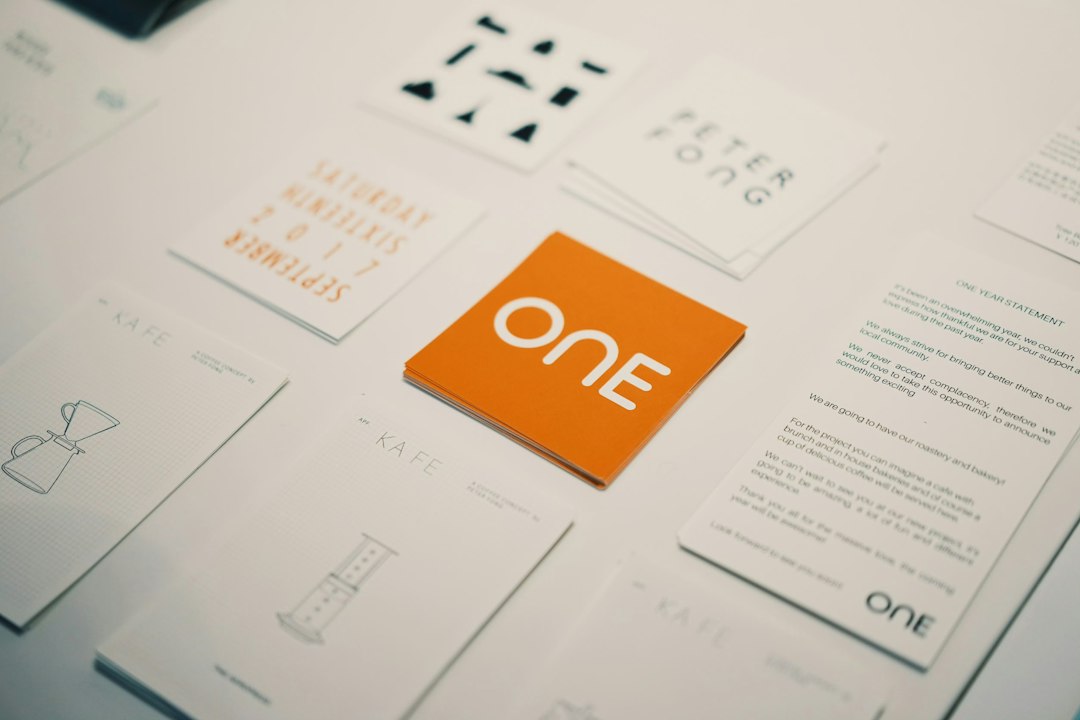
Ideogram is better for early logo concepts because it can attempt readable brand names. It can help generate rough directions for a café, fitness studio, podcast, or local service business. Midjourney is stronger for brand mood, mascot style, emblem inspiration, and visual character.
A sensible workflow uses either tool for idea generation, then rebuilds the final mark in vector software. That step is not optional for serious brand work.
Pricing and Access
Pricing changes over time, so buyers should check current plans before choosing. In general, both tools use paid tiers with limits based on generation volume, speed, privacy, or extra features. Free access may be limited or unavailable depending on the period.
Ideogram tends to feel more approachable for casual design tasks. Midjourney has historically had a steeper learning curve, partly because of its Discord roots, although its web experience has become more central. For teams, the choice may depend on how many people need access, whether private generations matter, and how often images are produced.
Best Use Cases
Choose Ideogram when:
- The image must include readable text.
- The project is a poster, flyer, sticker, or ad concept.
- The user needs fast layout ideas with slogans.
- The team wants simple prompting and practical results.
Choose Midjourney when:
- The image must feel premium, cinematic, or highly stylized.
- The project is a mood board, concept artwork, or campaign visual.
- Text can be added later in another tool.
- The team values visual beauty over text accuracy.
Final Verdict
Ideogram is the better AI image generator for design tasks that depend on typography. It is the safer choice for posters, ads, merch, and quick branded concepts. Midjourney is the better choice for artistic production and visual direction. It creates richer images and often gives creative teams more inspiring results.
The smartest choice may be using both. Ideogram can handle text-heavy concept work. Midjourney can shape the visual style. Together, they cover more of the creative process than either one alone.
FAQ
Is Ideogram better than Midjourney?
Ideogram is better for images with readable text. Midjourney is better for polished visual style, detailed scenes, and artistic concepts.
Can Midjourney create text accurately?
Midjourney can create some readable text, but errors still happen. For text-heavy designs, Ideogram is usually more reliable.
Which tool is better for logo design?
Ideogram is better for rough logo ideas with words. Midjourney is better for visual style and mascot inspiration. Final logos should still be rebuilt by a designer.
Which AI image generator is easier for beginners?
Ideogram is generally easier for simple design prompts. Midjourney may require more testing to get the exact style, framing, and details desired.
Should designers replace stock images with these tools?
They can replace some stock image use, especially for concept work. For final commercial projects, teams should still check licensing, brand fit, realism, and any legal risks.