
When people search online, they are often looking for answers before they are ready to buy, subscribe, or contact a company. These searches are powered by informational keywords, which help users learn, compare, understand, or solve a problem. For SEO, these keywords are essential because they attract audiences early in the decision-making journey and build long-term trust.
TLDR: Informational keywords are search terms used by people who want to learn something rather than make an immediate purchase. They usually include phrases such as how to, what is, why, or best way to. Businesses use them to create helpful content, improve organic visibility, and guide readers toward future conversions. A strong SEO strategy balances informational content with commercial and transactional pages.
What Are Informational Keywords?
Informational keywords are search queries that show a user’s intent to find knowledge, explanations, instructions, or insights. The searcher is not necessarily ready to buy. Instead, they want to understand a topic, answer a question, or explore possible solutions.
Examples of informational keywords include:
- what is local SEO
- how to improve website speed
- why does organic traffic drop
- email marketing tips for beginners
- best way to write blog titles
These keywords often appear at the top of the marketing funnel. A person searching for how to choose running shoes may not be ready to purchase immediately, but the right content can introduce that person to a brand, educate them, and influence a later buying decision.

Why Informational Keywords Matter for SEO
Informational keywords matter because search engines reward content that satisfies user intent. When a website answers common questions clearly and thoroughly, it can gain visibility for a wide range of related searches. This can lead to more impressions, clicks, backlinks, and brand recognition.
They also help websites build topical authority. If a site consistently publishes useful content around a subject, search engines may view it as a stronger resource in that niche. For example, a financial website that covers budgeting, credit scores, savings strategies, and investment basics can become more competitive for broader finance-related searches.
Another major benefit is trust. Users often remember the sites that helped them solve a problem. Even if they do not convert right away, they may return later when they need a product, service, or expert advice.
Informational Keywords vs. Other Keyword Types
SEO keywords are often grouped by search intent. Informational keywords are only one part of a complete strategy. The main types include:
- Informational: The user wants to learn. Example: how does solar energy work.
- Navigational: The user wants a specific website or brand. Example: Google Analytics login.
- Commercial: The user is comparing options before buying. Example: best project management software.
- Transactional: The user is ready to take action. Example: buy ergonomic office chair.
Informational content does not always produce immediate sales, but it supports the full customer journey. It can lead readers toward comparison guides, product pages, demos, newsletters, or consultations.
How to Find Informational Keywords
Finding informational keywords begins with understanding the audience. A business should consider what its ideal customers ask before they know the solution. These questions often reveal valuable content opportunities.
Several methods can help identify them:
- Use search suggestions: Search engines often suggest common questions as a phrase is typed.
- Review “People also ask” results: These questions show related topics that users frequently search.
- Analyze competitor content: High-ranking blogs and guides can reveal keyword patterns.
- Check customer support questions: Sales calls, emails, and chat logs often contain real informational queries.
- Use keyword research tools: Tools can provide search volume, keyword difficulty, and related terms.
Common informational modifiers include how, what, why, when, where, tips, guide, tutorial, examples, and definition. These words signal that the user wants education rather than an immediate transaction.
How to Use Informational Keywords in Content
Informational keywords should be used naturally. Search engines are increasingly focused on helpfulness and context, so keyword stuffing can harm readability and performance. The goal is to create content that answers the query better than competing pages.
A strong informational page usually includes:
- A clear answer near the beginning: Users should quickly understand the main point.
- Organized headings: Headings help readers scan and help search engines understand structure.
- Practical examples: Examples make abstract ideas easier to apply.
- Internal links: Links guide readers to related resources, product pages, or deeper guides.
- Visual support: Charts, screenshots, and diagrams can improve engagement.

For example, a company selling accounting software could target the keyword how to track business expenses. The article might explain expense categories, record-keeping methods, tax considerations, and common mistakes. Within the article, it could link to a template, a software feature page, or a guide about small business bookkeeping.
Matching Content Format to Search Intent
Not every informational keyword needs the same type of content. The best format depends on what the user expects to find. A keyword beginning with what is may require a definition-based article, while how to usually calls for a step-by-step tutorial.
Common formats include:
- How-to guides for process-based searches
- Beginner guides for broad educational topics
- Checklists for practical planning
- Glossaries for definitions and terminology
- Case studies for real-world examples
- FAQ pages for direct question-based searches
Before creating content, a marketer should review the current search results. If most top-ranking pages are detailed guides, a short article may not be enough. If the results are concise definitions, a simple and focused page may perform better.
Optimizing Informational Content for SEO
Optimization should support the reader experience. The main keyword can appear in the title tag, main heading, introduction, and a few relevant subheadings. Related terms and synonyms should be included naturally throughout the page.
Content should also be easy to navigate. Short paragraphs, descriptive headings, bullet lists, and summary sections improve readability. Schema markup, especially FAQ schema where appropriate, can help search engines better understand the page’s structure.
Internal linking is especially important. Informational pages should not exist in isolation. They should connect to other helpful resources and, when relevant, to commercial or transactional pages. This creates a path from learning to action without forcing a sale too early.
Measuring the Value of Informational Keywords
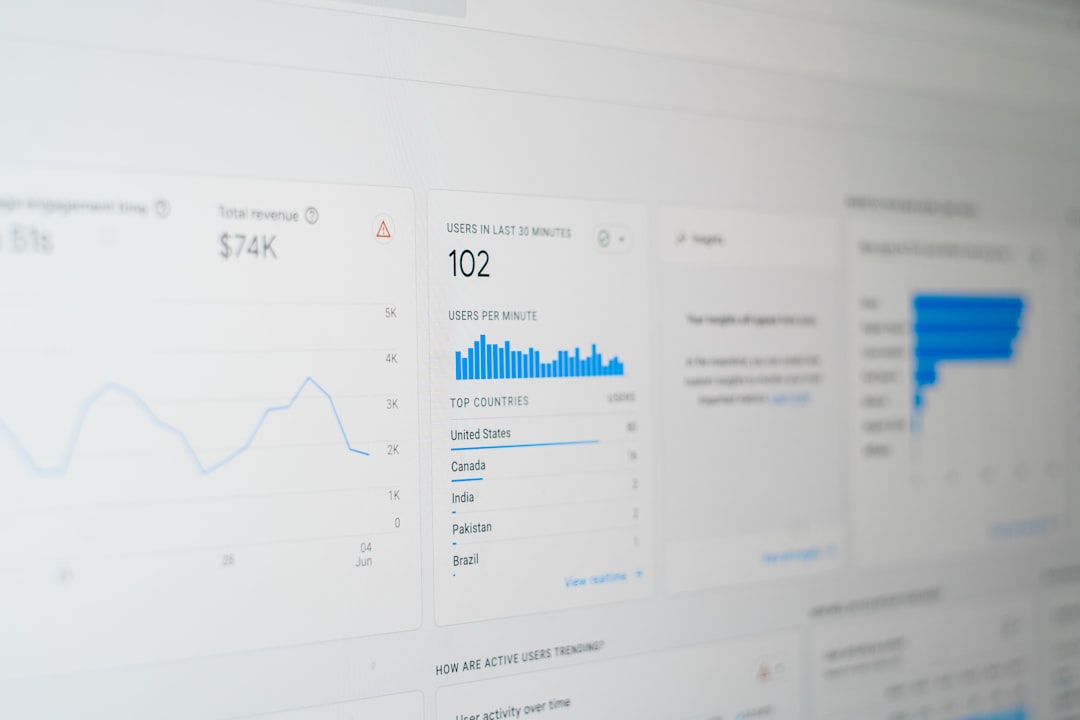
The success of informational keyword content should not be judged only by direct conversions. Important metrics include organic traffic, impressions, rankings, time on page, scroll depth, backlinks, assisted conversions, and newsletter signups.
Over time, informational content can become a powerful asset. A well-written guide may continue bringing visitors for months or years. When updated regularly, it can maintain rankings and support broader SEO growth.
Common Mistakes to Avoid
One common mistake is targeting informational keywords without a larger strategy. Traffic alone is not enough if readers have nowhere to go next. Each page should have a clear purpose, such as educating the reader, building trust, or directing them to a related resource.
Another mistake is writing generic content. If an article repeats the same basic information found everywhere else, it is unlikely to stand out. Strong content adds expert insight, examples, original data, or a clearer explanation.
Finally, businesses should avoid turning informational articles into aggressive sales pages. A reader looking for an answer may lose trust if the content feels like an advertisement. Helpful education should come first.
FAQ
What is an informational keyword?
An informational keyword is a search phrase used by someone who wants to learn, understand, or solve a problem. Examples include how to start a blog and what is technical SEO.
Are informational keywords good for conversions?
They can support conversions indirectly. While users may not buy immediately, informational content builds trust and can guide them toward future actions.
How long should informational content be?
The ideal length depends on the topic and search intent. A simple definition may need only a short page, while a complex guide may require a longer, detailed article.
Should informational keywords be used in product pages?
They can be included where relevant, but they usually work best in blog posts, guides, tutorials, glossaries, and educational resources.
How often should informational content be updated?
Important pages should be reviewed regularly, especially when facts, tools, trends, or best practices change. Fresh and accurate content is more useful to readers and search engines.