
Canva is the safest first pick for most non-designers, but Adobe Express, VistaCreate, PosterMyWall, Fotor, Piktochart, and Visme all deserve attention for fast promotional flyers. Small teams need tools that turn a blank page into a usable flyer in minutes, not a half-day of resizing boxes. Canva says it has more than 220 million monthly active users, which signals how popular template-based design has become for everyday marketing teams [source: Canva].
TLDR: For most users, Canva is the best all-around flyer maker because it has polished templates, simple editing, and strong export options. A local bakery, for example, could create a weekend sale flyer in under 20 minutes, resize it for Instagram, and print 100 copies without hiring a designer. Adobe Express is better for teams already using Adobe tools, while PosterMyWall is great for event promotions. Free plans work well for basic flyers, but paid plans often save time by unlocking brand kits, premium stock images, and one-click resizing.
Why flyer maker tools matter for non-designers
Promotional flyers still work because they are simple. They can advertise a sale, a class, a menu item, a concert, or a service in one glance. The hard part is making them look clean without design training.
Good flyer maker tools solve that problem with ready-made templates, drag-and-drop controls, stock photos, icons, fonts, and print-ready downloads. The best ones also help users avoid the usual mess: tiny text, bad spacing, low-resolution images, and colors that clash.
Honestly, it feels like some tools still make users fight the interface. A flyer maker should not hide basic tasks such as cropping, changing margins, or exporting a PDF. The tools below keep things easier than most.
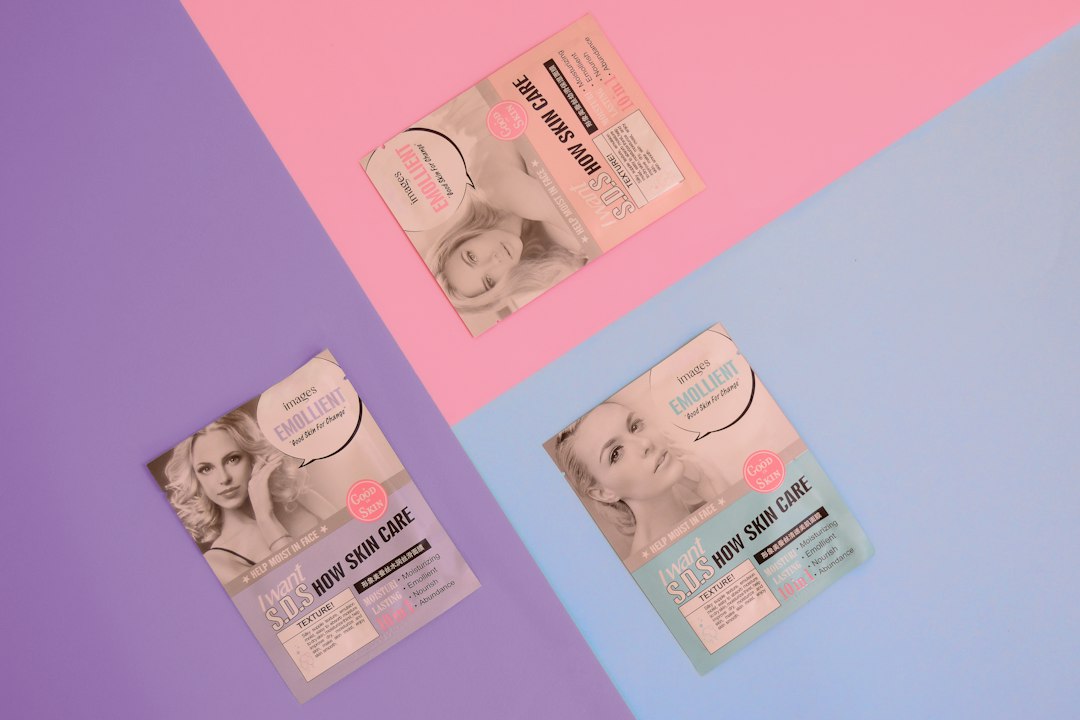
Top 7 flyer maker tools
1. Canva
Best for: most small businesses, schools, creators, and event organizers.
Canva is popular for a reason. It gives users a huge library of flyer templates for restaurants, real estate, retail, education, fitness, nonprofits, and local events. A user can swap text, drag in a logo, change colors, and export a PDF with little training.
The editor feels friendly. The search tool is strong. The template quality is usually high. Canva also offers useful extras like background remover, brand kits, social media resizing, and print ordering in some regions.
The catch is that premium elements appear often. A user may build a flyer and then notice a crown icon on a photo or graphic. That can be annoying when a “free” design suddenly needs substitutions.
- Pros: huge template library, easy editing, great for teams.
- Cons: many best assets sit behind the paid plan.
- Best pick for: quick, polished flyers with minimal fuss.
2. Adobe Express
Best for: users who want Adobe quality without learning Photoshop.
Adobe Express gives beginners a much simpler route into flyer design. It includes templates, Adobe Fonts, stock assets, quick actions, and brand controls. It is especially useful for teams that already use Creative Cloud.
The designs tend to feel sharp and modern. Users can build flyers for sales, open houses, parties, fundraisers, and business announcements. The resize and animation tools also help when the same promotion needs a social post.
It can feel a bit busier than Canva at first. Some options take an extra click or two. Still, it is a strong choice for anyone who wants a clean promotional flyer with trusted design assets.
- Pros: strong fonts, good templates, solid brand tools.
- Cons: interface can feel packed for total beginners.
- Best pick for: Adobe users and brand-conscious teams.
3. VistaCreate
Best for: users who want stylish templates for social and print promotions.
VistaCreate offers a smooth design experience with many ready-made flyer layouts. It works well for restaurants, boutiques, fitness studios, online sellers, and content creators. The templates look current, with bold type, bright colors, and strong photo placement.
Users can edit flyers fast. They can also make matching posts, ads, covers, and stories. That makes it handy when a campaign needs more than one format.
Stock content is one of its strengths. The tool includes photos, videos, vectors, and backgrounds. The downside is that some premium assets are mixed into search results, so users may need to filter or replace items before export.
- Pros: trendy templates, easy editor, good visual assets.
- Cons: premium content can interrupt the workflow.
- Best pick for: stylish flyers for retail and social campaigns.
4. PosterMyWall
Best for: events, restaurants, clubs, schools, and local promotions.
PosterMyWall is built around posters and flyers, so it feels focused. Users can create flyers for concerts, church events, school nights, food specials, sports events, and seasonal sales.
The template collection is broad. Many designs are bold and attention-grabbing. It also supports menus, digital signage, social graphics, and videos. This makes it useful for organizations that promote events often.
The free version can be enough for basic use, but high-quality downloads and some premium designs may require payment. Expect to check export settings carefully before printing. Low-quality files can make a good flyer look cheap.
- Pros: excellent event templates, simple customization, print-friendly options.
- Cons: better downloads may cost extra.
- Best pick for: clubs, venues, schools, and community events.
5. Fotor
Best for: photo-heavy flyers and quick image edits.
Fotor is useful when a flyer depends on strong images. A salon can promote a makeover. A café can highlight a new drink. A real estate agent can feature a property photo. Fotor combines flyer templates with simple photo editing, retouching, and background tools.
The editor is not hard to use. Users can start with a template, improve a photo, add promotional text, and export the final design. It is less community-driven than Canva, but its photo tools give it a clear use case.
The templates can be hit or miss. Some look polished. Others feel more basic. Still, Fotor works well when the image matters more than complex layout options.
- Pros: strong photo editing, easy templates, useful AI tools.
- Cons: template quality varies.
- Best pick for: beauty, food, real estate, and product flyers.
6. Piktochart
Best for: informational flyers, nonprofit handouts, and educational materials.
Piktochart is known for infographics, but it also works well for flyers that need structure. It is a good fit for health clinics, schools, HR teams, nonprofits, and public service campaigns.
The tool helps users present information clearly. Charts, icons, blocks, and sections are easy to add. This is useful when a flyer needs to explain steps, show numbers, or list program details.
Piktochart is not always the flashiest option for sale flyers. Its strength is clarity. If the flyer has more facts than glamour, this tool makes sense.
- Pros: great for data, clear layouts, easy icons and charts.
- Cons: less ideal for trendy retail graphics.
- Best pick for: education, internal comms, and nonprofit outreach.
7. Visme
Best for: business flyers, branded materials, and multi-page promo documents.
Visme is a strong option for businesses that need more formal promotional materials. It supports flyers, brochures, presentations, reports, social graphics, and sales sheets. That makes it useful for teams that want one tool for many content types.
The design controls are more advanced than some beginner tools, but they are still manageable. Users can create branded flyers with consistent colors, fonts, icons, and charts. It also offers interactive and animated content for digital promotions.
New users may need a little more time to get comfortable. The payoff is better control. Visme suits teams that care about brand consistency and professional polish.
- Pros: strong branding tools, business-focused templates, many content formats.
- Cons: slightly steeper learning curve.
- Best pick for: companies, consultants, and B2B promotions.

How to choose the right flyer maker
The best tool depends on the job. A weekend market vendor may only need Canva. A music venue may prefer PosterMyWall. A nonprofit may get better results from Piktochart. A brand team may choose Visme or Adobe Express.
Before choosing, users should check these points:
- Template quality: Are the designs modern and relevant?
- Print exports: Can it download high-resolution PDF files?
- Brand tools: Can it save logos, colors, and fonts?
- Free plan limits: Are watermarks, file sizes, or premium assets a problem?
- Resizing: Can one flyer become a social post or story?
For pure ease, Canva wins. For event marketing, PosterMyWall is hard to beat. For business branding, Visme and Adobe Express stand out. For photo-first flyers, Fotor earns its spot.
FAQ
What is the easiest flyer maker for beginners?
Canva is usually the easiest. Its templates, drag-and-drop editor, and export settings are simple for non-designers.
Can flyers be made for free?
Yes. Most tools listed here offer free plans. Users may need to avoid premium photos, paid icons, and advanced export settings.
Which flyer maker is best for events?
PosterMyWall is a strong choice for events because it has many templates for concerts, school events, parties, and local promotions.
Which tool is best for business flyers?
Visme and Adobe Express work well for business flyers. They offer brand controls and professional templates.
Do users need design experience to use these tools?
No. These tools are built for beginners. Templates handle the layout, while users only edit text, images, colors, and logos.
What file format is best for printing flyers?
A high-resolution PDF is usually best for print. PNG or JPG can work for digital sharing, but PDF is safer for sharp printed text.