
Walk into any successful retail store and you’ll notice something subtle yet powerful: products are not placed randomly. Every shelf, aisle, and display has been carefully planned to maximize visibility, sales, and customer satisfaction. Behind this precision is retail planogram design software — a powerful tool that helps retailers strategically arrange merchandise to boost performance and enhance the shopping experience.
TLDR: Retail planogram design software helps stores strategically place products to improve sales, maximize shelf space, and maintain consistency across locations. These tools use data, 3D visualization, and analytics to optimize layouts for profitability and customer flow. From small boutiques to large retail chains, planogram software simplifies merchandising decisions and improves execution. Choosing the right solution depends on your store size, integration needs, and budgeting goals.
In today’s competitive retail environment, guessing where products should go is no longer good enough. Customer behavior, product performance, space constraints, and visual appeal must all be considered. Modern planogram software brings these elements together into one streamlined, data-driven solution.
What Is Retail Planogram Design Software?
A planogram is a visual diagram that shows where products should be placed on shelves or displays. Retail planogram design software digitizes and enhances this process by allowing retailers to:
- Create virtual store layouts
- Optimize shelf spacing and product placement
- Analyze sales data alongside visual layouts
- Standardize merchandising across multiple locations
- Simulate different merchandising scenarios
Instead of manually sketching shelf plans or relying purely on intuition, retailers can use drag-and-drop tools, automation, and artificial intelligence to make smarter decisions faster.
Image not found in postmetaWhy Strategic Product Placement Matters
Strategic product placement isn’t just about aesthetics. It directly impacts purchasing behavior. Studies consistently show that product positioning influences:
- Impulse purchases
- Average basket size
- Customer navigation patterns
- Brand visibility
- Inventory turnover rates
For example:
- High-margin items placed at eye level often see increased sales.
- Complementary products grouped together encourage add-on purchases.
- Endcap displays can significantly boost promotional visibility.
Planogram software helps retailers identify these opportunities using real sales data rather than trial and error.
Core Features of Modern Planogram Software
While each platform varies, most advanced retail planogram solutions include the following capabilities:
1. 3D Store Visualization
Retailers can create detailed 3D renderings of aisles, fixtures, and product layouts. This allows teams to visually assess how a store will look before any physical changes are made.
2. Space Optimization Tools
The software calculates optimal shelf spacing based on product dimensions, packaging types, and category requirements.
3. Sales and Data Integration
By integrating POS and inventory systems, retailers can align product placement with sales velocity, profitability, and turnover rates.
4. Automated Planogram Generation
Some tools use AI algorithms to recommend optimal product placement based on historical performance and purchasing patterns.
5. Centralized Multi-Store Management
Large retailers can distribute standardized layouts to regional stores, ensuring brand consistency across locations.
6. Compliance Tracking
Managers can monitor whether stores are executing layouts correctly, improving consistency and accountability.
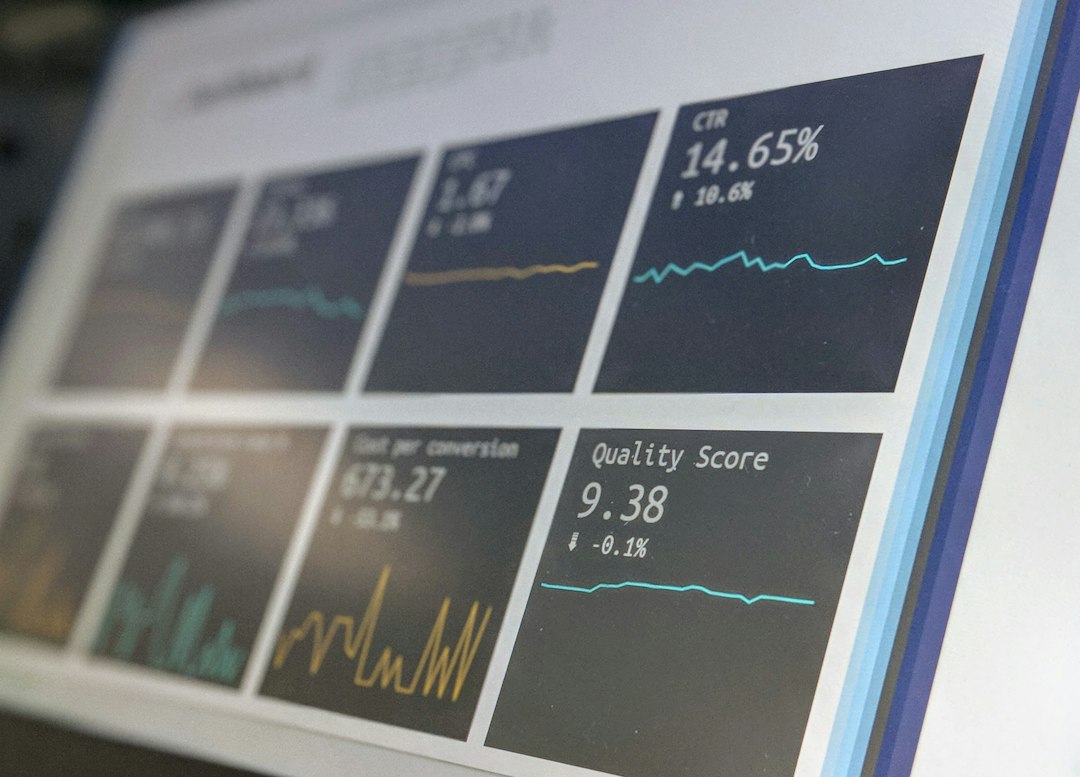
How Planogram Software Drives Revenue Growth
The ultimate goal of merchandising is increased profitability. Planogram tools support this in several measurable ways:
Improved Product Visibility
Strategically placing high-value or promotional items in high-traffic areas boosts exposure and conversion rates.
Reduced Stockouts
By aligning shelf space with demand, retailers can prevent fast-moving products from running out too quickly.
Better Category Performance
Category managers can optimize assortment mix and aisle layouts to maximize entire category sales, not just individual SKUs.
Enhanced Customer Experience
A well-organized store layout improves navigation and reduces shopping frustration, leading to higher customer satisfaction and repeat visits.
Types of Retailers That Benefit Most
Although planogram software is often associated with large chains, many retail segments benefit greatly from implementing it:
- Supermarkets and grocery stores
- Pharmacies
- Fashion retailers
- Electronics stores
- Home improvement retailers
- Convenience stores
Even small independent retailers can use lightweight solutions to maximize limited shelf space.
Popular Retail Planogram Design Tools
If you’re evaluating options, here are several commonly used types of planogram solutions on the market:
| Software Type | Best For | Key Strength | Pricing Level |
|---|---|---|---|
| Enterprise Planogram Suites | Large retail chains | Advanced analytics and multi-store rollout | High |
| Cloud Based Merchandising Tools | Mid-sized retailers | Remote access and scalability | Medium |
| 3D Shelf Planning Platforms | Visual merchandising teams | Highly detailed visual simulations | Medium |
| Basic Shelf Layout Software | Small retailers | Simple drag and drop interface | Low |
When selecting software, consider integration capabilities, ease of use, support services, and whether the tool scales with your business growth.
Key Factors to Consider Before Choosing a Solution
1. Integration Capabilities
Does the software connect seamlessly with your POS, ERP, and inventory systems?
2. User Friendliness
A powerful system is only valuable if your team can actually use it efficiently.
3. Customization Options
Retail environments differ widely. Your tool should adapt to unique store formats and category needs.
4. Scalability
Will the software support additional locations and growing product lines?
5. Return on Investment
Evaluate expected sales lift, labor savings, and efficiency gains versus the cost of implementation.

The Role of AI and Automation in Modern Planograms
One of the most exciting advancements in planogram design software is the integration of artificial intelligence. AI-driven features can:
- Predict high-performing placements
- Suggest optimal assortment mixes
- Automatically adjust layouts based on seasonality
- Estimate performance impact before implementation
This moves merchandising from reactive planning to proactive, data-driven strategy. Retailers can test virtual layouts and receive predictive performance metrics before physically resetting shelves.
Common Challenges (And How Software Solves Them)
Inconsistent Store Execution
Standardized digital planograms ensure every store follows the same merchandising strategy.
Manual Errors
Automated calculations remove guesswork in spacing and product alignment.
Time-Consuming Resets
Visual guides and centralized planning reduce labor hours needed for re-merchandising.
Poor Data Visibility
Sales insights integrated within layouts allow faster, more informed decisions.
Future Trends in Retail Planogram Design
Retail continues to evolve rapidly, and planogram software is advancing alongside it. Expect to see:
- Real-time IoT shelf sensors feeding live stock data into layouts
- Augmented reality tools for in-store layout visualization
- Hyper-personalized store layouts by region or demographic
- Increased automation for routine merchandising updates
As physical retail competes with e-commerce, intelligent merchandising becomes a major differentiator. The stores that succeed will be those using technology to refine both efficiency and customer engagement.
Final Thoughts
Retail planogram design software is no longer just a tool for large supermarket chains — it has become an essential part of modern merchandising strategy. By combining visual planning, performance data, and automation, retailers can optimize shelf space, enhance shopper experiences, and significantly improve profitability.
Strategic product arrangement is both an art and a science. With the right software, retailers gain the precision of data analytics alongside the creative flexibility of visual merchandising. In a world where every inch of shelf space matters, investing in effective planogram design technology can turn ordinary displays into powerful revenue drivers.