
As modern development teams continue shifting toward flexible, headless, and Git-driven workflows, content management system (CMS) editing tools have come under renewed scrutiny. While Keystatic has gained attention for its local-first, file-based CMS approach, many developers are actively researching alternative solutions that better align with their infrastructure, scalability requirements, and collaboration needs. The decision rarely reflects dissatisfaction alone; instead, it often represents strategic evaluation of long-term maintainability, extensibility, and editorial usability.
TLDR: Developers are exploring alternatives to Keystatic to gain stronger collaboration features, broader ecosystem support, enhanced scalability, and improved editorial workflows. Popular options include TinaCMS, Sanity, Strapi, Contentful, and direct Git-based solutions like Decap CMS. Each offers distinct advantages depending on whether a team prioritizes self-hosting, real-time editing, enterprise governance, or API-driven flexibility. Choosing the right system depends on project complexity, team size, and long-term architectural goals.
Below is a structured look at why developers research alternatives and which software options frequently surface during that evaluation process.
Why Developers Look Beyond Keystatic
Keystatic fits well within static-site and modern framework ecosystems. However, teams often require additional capabilities that extend beyond its core design philosophy. The most common evaluation factors include:
- Real-time collaborative editing
- Enterprise-grade role and permission systems
- Scalability for multi-site or multi-language deployments
- API-first or omnichannel content delivery
- Hosted infrastructure and SLA guarantees
- Visual editing interfaces for non-technical stakeholders
For small developer-focused projects, a Git-backed CMS may be ideal. But larger editorial teams, marketing departments, and distributed organizations often demand more sophisticated tools.
Leading CMS Alternatives Developers Research
1. TinaCMS
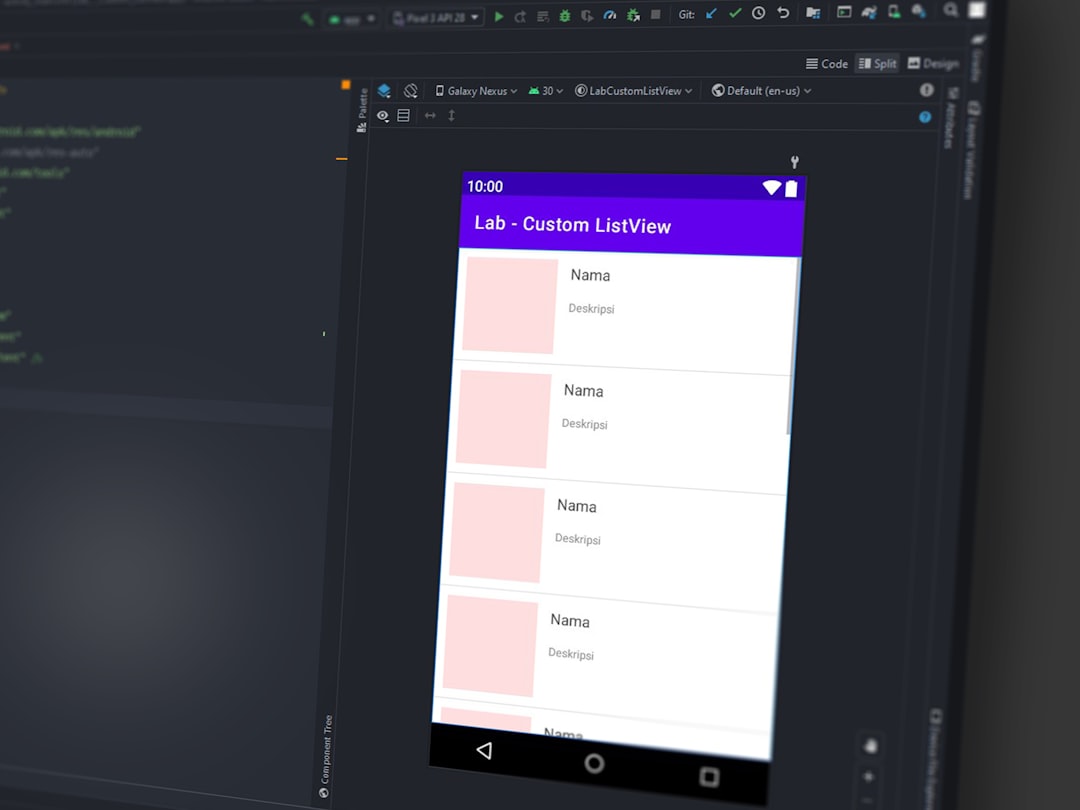
TinaCMS is frequently evaluated because of its strong focus on visual editing for static sites and Jamstack environments. It integrates directly with popular frameworks like Next.js and provides an intuitive inline editing experience.
Key strengths:
- Visual, real-time editing within the site preview
- Git-backed content storage
- Flexible schema customization
- Self-hosted or cloud-hosted options
Tina becomes especially attractive for teams that want the familiarity of Git workflows while offering a smoother interface for content teams.
2. Sanity
Sanity represents a powerful, API-first, headless CMS built for structured content at scale. Developers researching long-term growth often consider Sanity due to its real-time collaboration and customizable content studio.
Why developers choose it:
- Real-time multi-user collaboration
- Structured content modeling
- Global CDN delivery
- Highly customizable editing studio
Unlike purely Git-based systems, Sanity stores content in a cloud-hosted database, enabling faster querying and dynamic distribution across web, mobile, and other platforms.
3. Strapi
Strapi remains one of the most popular open-source headless CMS platforms. Developers who want complete control over backend infrastructure frequently assess Strapi instead of lighter editorial tools.
Core advantages:
- Self-hosted Node.js framework
- Custom APIs and plugins
- Granular role-based access control
- Strong community and ecosystem
Strapi is particularly attractive for projects requiring authentication logic, complex data models, or integration with custom services.
4. Contentful
Contentful is often researched by mid-sized or enterprise organizations looking for stability, governance, and SLA-backed performance. It is a fully managed SaaS headless CMS platform.
Key benefits include:
- Enterprise security standards
- Advanced workflows and permissions
- Multi-language support
- Reliable API infrastructure
While more expensive than open-source alternatives, Contentful reduces operational burden and provides support structures that development teams in regulated industries often require.
5. Decap CMS (Git-Based)
Developers who like the Git-native philosophy of Keystatic frequently compare it with Decap CMS (formerly Netlify CMS). This open-source tool manages static site content directly from a Git repository.
Distinct advantages:
- No proprietary content storage
- Extremely simple editorial interface
- Compatible with most static site generators
- Minimal infrastructure complexity
For projects prioritizing cost control and developer transparency, Decap CMS remains a practical alternative.
Comparison Chart of Popular Alternatives
| Platform | Hosting Model | Collaboration | Best For | Scalability |
|---|---|---|---|---|
| TinaCMS | Self or Cloud | Limited Real-Time | Jamstack Teams | Moderate |
| Sanity | Cloud Hosted | Real-Time Multi-User | Structured Content Projects | High |
| Strapi | Self Hosted | Role-Based | Custom Backend Systems | High |
| Contentful | SaaS | Advanced Workflows | Enterprise Organizations | Very High |
| Decap CMS | Git-Based | Basic | Static Sites | Moderate |
Key Architectural Considerations
When researching alternatives, experienced developers typically evaluate deeper architectural implications rather than surface-level features.
1. Data Portability
Git-based systems provide natural version control and content transparency. Cloud-hosted systems rely on export APIs and structured schemas. Organizations planning frequent migrations often favor portable architectures.
2. Vendor Lock-In
Enterprise SaaS tools provide convenience but may increase dependency risks. Open-source or self-hosted platforms offer greater independence at the cost of maintenance overhead.
3. Performance and Global Distribution
API-first CMS platforms with global CDNs are better suited for high-traffic and multi-regional deployments.
4. Editorial Experience
Marketing and editorial teams increasingly demand intuitive interfaces. Systems lacking visual previews or workflow automation often create friction outside engineering teams.

Cost and Operational Factors
Beyond feature comparisons, budgeting and operational complexity weigh heavily in decision-making.
- Open-source platforms reduce licensing fees but require hosting and DevOps investment.
- SaaS platforms streamline operations but increase recurring costs.
- Hybrid approaches combine Git-based storage with cloud editing services.
For startups, minimizing infrastructure costs may take priority. For enterprises, reliability and compliance compatibility carry greater importance.
Trends Influencing CMS Research in 2026
The CMS ecosystem continues evolving. Developers evaluating tools today often consider broader industry shifts:
- Composable architecture replacing monolithic systems
- AI-assisted content workflows
- Multi-channel publishing across web, apps, and devices
- Stronger governance and audit trails
Many teams research alternatives to ensure their chosen platform aligns not only with current requirements but also with projected expansion into personalization, localization, and omnichannel strategies.
How Developers Approach the Evaluation Process
A careful research strategy typically involves:
- Technical proof-of-concept testing
- Content team usability trials
- Performance benchmarking
- Total cost of ownership analysis
- Migration complexity assessment
Rather than choosing a CMS based solely on popularity, engineering leaders increasingly conduct cross-functional evaluations. Editorial, marketing, security, and DevOps teams all contribute to final decisions.
Conclusion
Keystatic represents a powerful modern approach to file-based content management, but it does not address every use case. Developers researching alternatives are typically responding to practical needs: collaboration, scalability, governance, performance, or enterprise compliance.
The most frequently evaluated options — TinaCMS, Sanity, Strapi, Contentful, and Decap CMS — each reflect different architectural philosophies. Some optimize for developer control, others for enterprise reliability, and others for editorial fluidity.
Ultimately, selecting the right CMS editing system requires balancing technical architecture, team workflow, and long-term strategic growth. Teams that invest time in structured evaluation are better positioned to adopt platforms that remain flexible, scalable, and aligned with organizational goals for years to come.