
In an era defined by cloud storage, streaming algorithms, and intangible playlists, the resurgence of vinyl records might seem like a contradiction. Yet over the past decade, vinyl has experienced a remarkable revival, steadily growing in sales while other physical formats continue to fade. This phenomenon is more than nostalgia—it represents a broader cultural shift toward tangible experiences in an increasingly virtual world.
TL;DR: Vinyl’s revival reflects a desire for authenticity, tactile engagement, and intentional listening in the digital age. While streaming offers convenience and breadth, records provide warmth, ritual, and a deeper emotional connection to music. The analog format fosters community, artistic appreciation, and mindful consumption. In a virtual world, vinyl matters because it makes music feel real again.
The digital revolution transformed music consumption almost overnight. From MP3 downloads to streaming platforms, listeners gained instant access to millions of songs anytime, anywhere. Music became lighter than air—no packaging, no physical constraints, and no waiting. Yet as compression rates increased and libraries expanded into the infinite, something subtle was lost: presence. Vinyl’s resurgence signals that many listeners crave not just sound, but experience.
The Warmth of Analog Sound
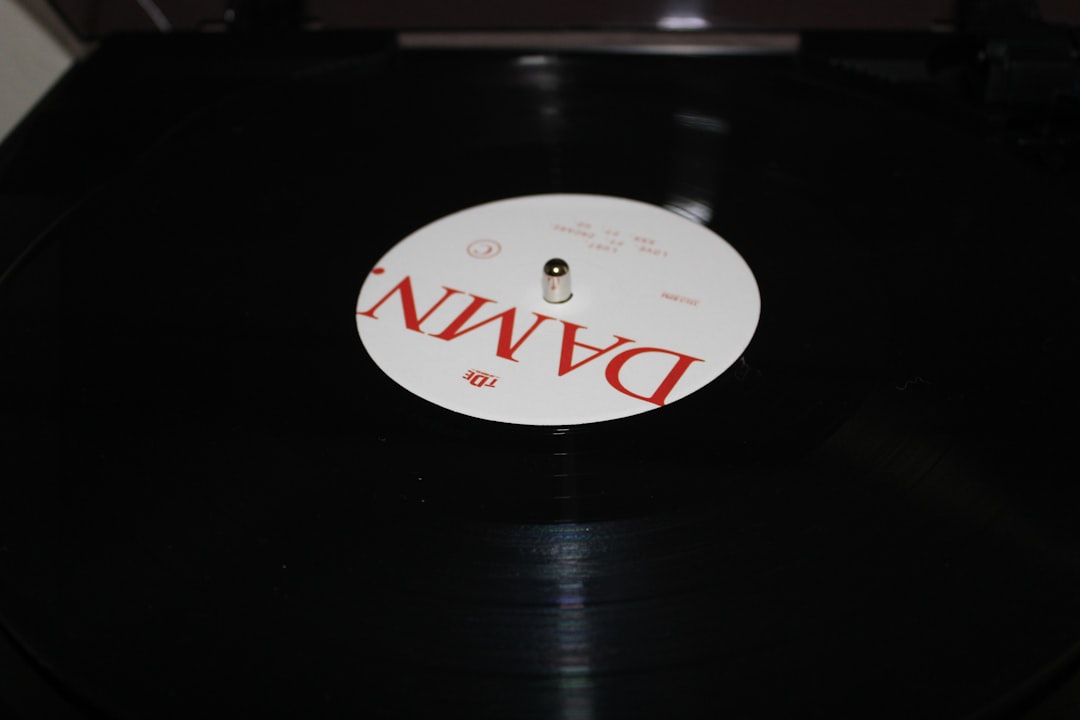
One of the most cited reasons for vinyl’s return is its sonic character. Audiophiles often describe vinyl sound as “warm,” “rich,” or “organic.” While digital formats aim for clinical accuracy, analog recordings capture continuous sound waves rather than slicing them into digital samples.
Technically speaking, analog recordings are physical impressions of sound waves etched into grooves. When a needle traces these grooves, it mechanically translates physical movement into music. This process, though imperfect, preserves subtle harmonics and textures that many believe are smoothed out in compressed digital files.
Of course, debates about sound quality can become highly technical. But even beyond waveform graphs and frequency spectrums, listeners report a subjective difference. Vinyl invites focused listening. Surface crackle and mechanical nuance remind you that sound is happening in real time. The music feels less like a background utility and more like a performance unfolding in your living room.
The Ritual of Listening
Streaming services encourage endless skipping. With millions of tracks available instantly, patience declines. You tap, scroll, swipe, and move on. Albums become fragmented into singles shuffled by algorithm.
Vinyl, by contrast, requires effort—and that effort is part of the appeal.
- Selecting the record from the shelf
- Removing it carefully from its sleeve
- Placing it on the turntable
- Dropping the needle
- Flipping the record midway through
This deliberate process transforms listening into a ritual. You commit to an album’s arc. You absorb the sequencing intended by the artist. In a distracted age dominated by multitasking, vinyl offers a moment of singular focus.
Psychologically, rituals increase meaning. The physical steps signal that something special is about to happen. Playing a record becomes an event, not just ambient noise.
Album Art as a Cultural Canvas
Streaming shrunk album artwork to thumbnail icons. On vinyl, cover art regains its prominence. The 12-inch canvas allows photography, illustration, typography, and design to breathe.
Iconic covers—from psychedelic rock to minimalist jazz—were designed with scale in mind. Gatefold sleeves open into immersive visual worlds. Liner notes provide context, lyrics, and commentary that deepen appreciation.
Image not found in postmetaFor collectors, records are not merely audio carriers—they are objects of art. The tactile weight, paper texture, and even the smell of cardboard contribute to a multi-sensory experience. In a cloud-based culture where ownership often means licensing, vinyl restores tangibility.
Community and Record Store Culture
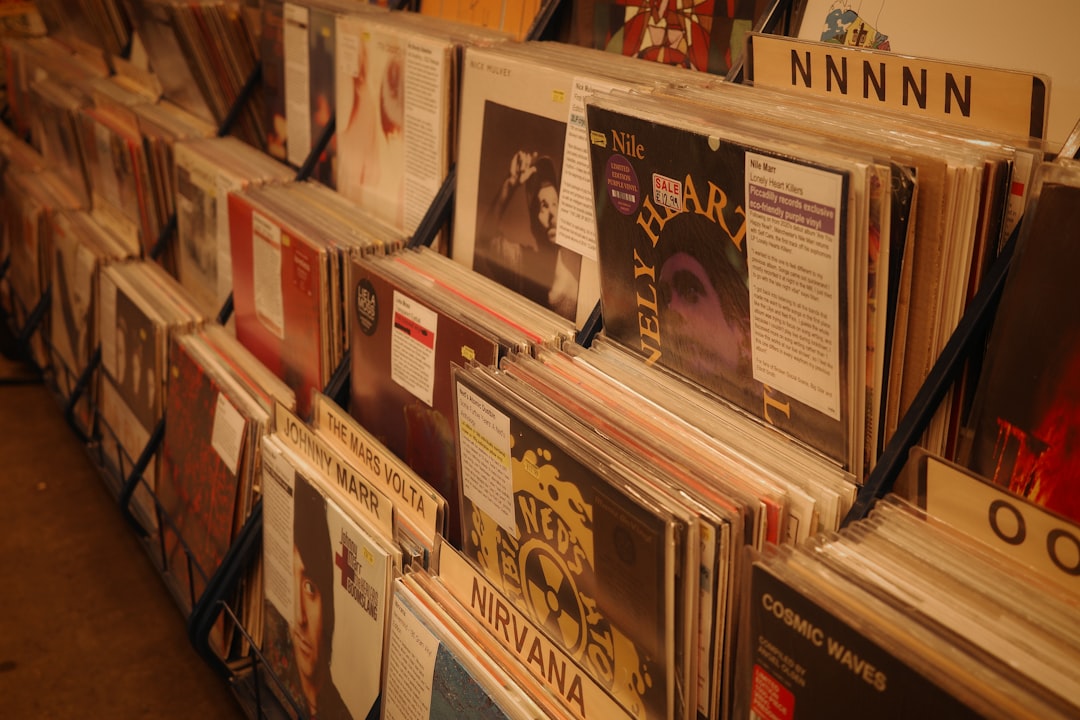
The vinyl renaissance has also revitalized independent record stores. These spaces are cultural hubs where browsing is social and discovery is personal. Unlike algorithmic recommendations, store clerks and fellow collectors suggest music through conversation.
Record fairs, limited pressings, and Record Store Day events cultivate a sense of belonging. Vinyl collecting introduces:
- Community interaction instead of isolated streaming
- Shared enthusiasm for rare finds
- Intergenerational exchange of music history
- Local economic support for small businesses
In an era where much consumption is solitary and digital, vinyl fosters real-world connection. The act of crate digging—flipping through stacks of records—cannot be replicated by scrolling.
Scarcity in an Age of Abundance
Streaming platforms create abundance, sometimes to the point of overwhelm. When everything is available, individual items can feel less valuable. Vinyl introduces healthy constraints. You cannot carry 10,000 records in your pocket. You curate a shelf that reflects identity and taste.
This scarcity enhances intentionality. Each purchase represents a decision. Each record occupies space in your home. Ownership becomes selective, not passive.
Moreover, limited edition pressings, colored vinyl variants, and numbered releases appeal to collectors’ desire for uniqueness. Digital files are infinitely reproducible; vinyl records possess individuality, even subtle imperfections that make each pressing slightly distinct.
Analog vs Digital: A Comparison
While vinyl offers depth and ritual, streaming provides unmatched convenience. Both formats serve different listening contexts. Below is a simplified comparison:
| Feature | Vinyl Records | Digital Streaming |
|---|---|---|
| Sound Character | Warm, continuous, analog texture | Clean, compressed or lossless precision |
| Convenience | Requires equipment and setup | Instant access on multiple devices |
| Portability | Limited | High, mobile friendly |
| Artwork Experience | Large format, tactile, collectible | Thumbnail images on screen |
| Listening Style | Intentional, album focused | Playlist driven, song skipping common |
| Ownership | Physical possession | Licensed access |
This comparison highlights that vinyl’s revival is not a rejection of digital technology, but a complementary movement. Many enthusiasts stream during the day and spin records at night.
The Psychology of Tangibility
Behavioral research suggests that people value physical objects more than digital equivalents—a phenomenon linked to the “endowment effect.” Ownership feels stronger when something can be touched and displayed.
Vinyl aligns with this principle. A record collection becomes an extension of personal identity. Shelves communicate taste, mood, and history. Guests browse spines and spark conversations. Digital playlists, by contrast, remain largely invisible.
Physical engagement also strengthens memory formation. Studies show that tactile interaction enhances cognitive retention. Handling a record—reading liner notes, examining artwork—reinforces emotional connection to the music.
Artists Embrace the Format
Musicians themselves have contributed to vinyl’s rebirth. Many contemporary artists release special vinyl editions with exclusive tracks or elaborate packaging. For emerging acts, vinyl offers differentiation in a saturated streaming landscape.
Producing a vinyl record signals artistic seriousness. It suggests the work merits immersive listening. Some artists even sequence albums specifically for the two-sided format, respecting the natural intermission when listeners flip the record.
Vinyl sales now constitute a significant revenue stream for certain genres, especially indie rock, jazz, and electronic music. While streaming generates exposure, vinyl generates margin. Fans who buy records are often deeply committed supporters.
Mindful Consumption in the Digital Age
The digital world accelerates everything. Attention fragments. Content scrolls endlessly. Within this environment, vinyl represents deceleration.
Listening to a record encourages:
- Uninterrupted attention
- Patience as tracks unfold
- Appreciation for cohesive artistic narratives
- Reduced multitasking
In many ways, vinyl parallels movements like slow food and analog photography. Each reflects a longing for process over speed. In valuing imperfection and effort, they counterbalance digital frictionlessness.
Is Vinyl Just Nostalgia?
Critics argue that vinyl’s popularity is fueled primarily by nostalgia. Certainly, older generations reconnect with familiar formats from their youth. However, a significant portion of vinyl buyers are under 35—many of whom never grew up with records.
For younger listeners, vinyl represents novelty rather than nostalgia. It offers contrast to intangible media. The appeal lies not in the past, but in difference. In a world dominated by screens, spinning vinyl feels refreshingly mechanical.
Moreover, technological cycles often inspire retro revivals. As media become increasingly abstract, people rediscover value in earlier, more tactile systems. Vinyl fits this pattern—not as regression, but as recalibration.
The Future of Analog in a Virtual Landscape
Vinyl will not replace streaming. Nor should it. Digital platforms democratize access, empower independent artists, and enable global discovery at unprecedented scale. Yet vinyl’s steady growth suggests something profound: convenience alone does not define value.
Human beings crave texture, ritual, and meaning. In a frictionless digital ecosystem, friction itself can feel authentic. The gentle crackle before a song begins. The weight of a record in hand. The deliberate act of listening without skipping.
The digital renaissance of vinyl reveals that progress is not linear. As technology advances, we selectively return to formats that restore depth and embodiment. Analog matters not because it is superior in every metric, but because it fulfills dimensions of experience that digital media often overlook.
Ultimately, vinyl endures because music is more than sound data—it is emotion, memory, and connection. And sometimes, the most powerful way to experience something intangible is through something you can hold.