
In today’s fast-paced creative landscape, agencies face mounting pressure to deliver stunning designs quickly while maintaining seamless communication with clients. One of the biggest bottlenecks in this process is the feedback loop—when feedback is unclear, delayed, or chaotic, it can derail even the most inspired projects. That’s why agencies are increasingly relying on collaborative design review tools. These platforms not only centralize comments and revisions but also foster real-time collaboration between teams and clients, significantly accelerating the overall review cycle.
TL;DR
Collaborative design review tools have become vital assets for agencies looking to streamline client communication and speed up project timelines. Tools like Figma, InVision, and Markup.io make it easy to co-create, review, and revise assets in real time, cutting down on long email chains and vague feedback. By centralizing discussions in the cloud and enabling visual markups directly on the design, these tools make the process faster, more transparent, and more collaborative. Here’s a deep dive into five of the best tools agencies rely on today.
1. Figma – Real-Time Design Collaboration Powerhouse
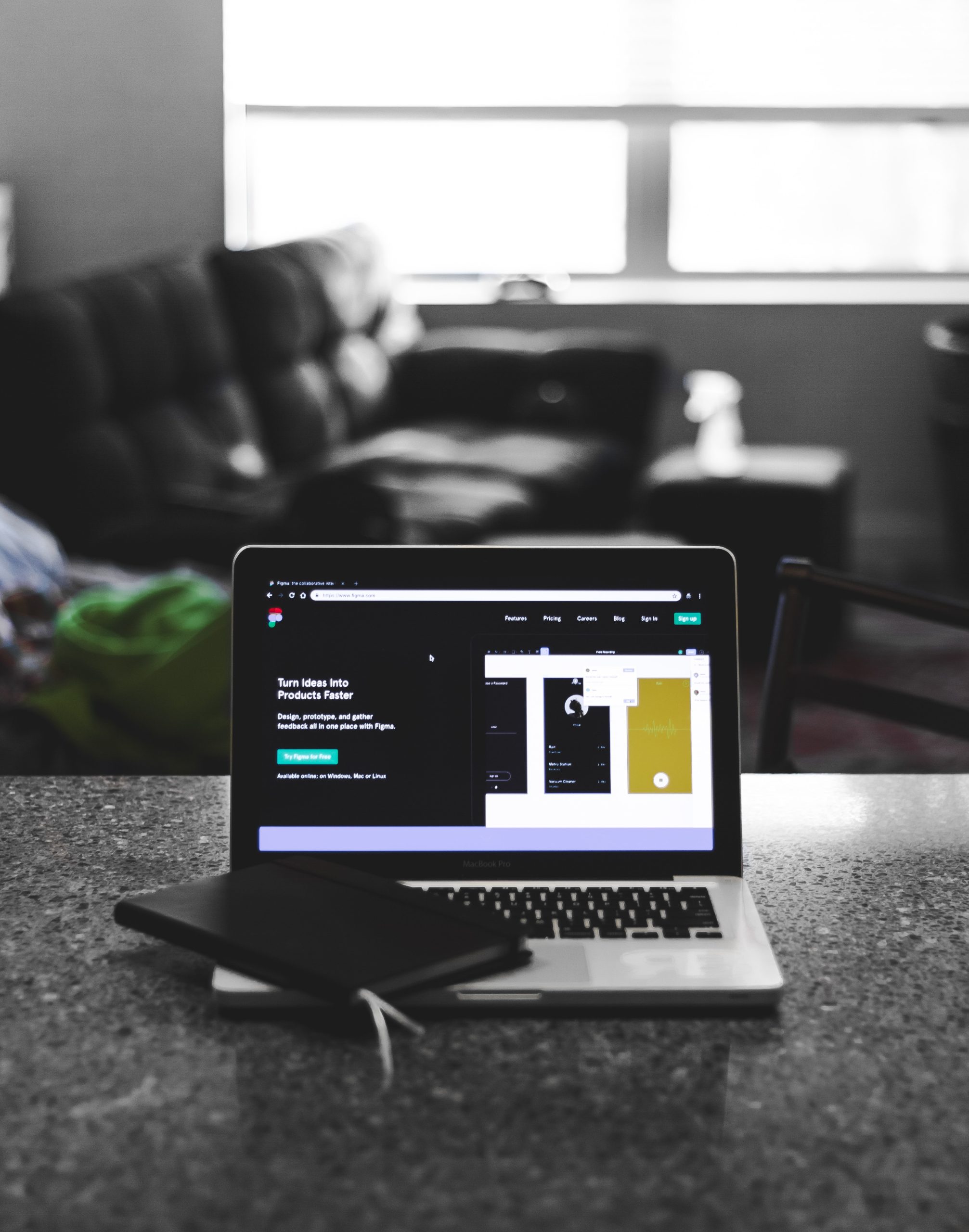
Figma has quickly become a household name in the design world due to its real-time collaboration capabilities. Unlike many traditional design tools, Figma is entirely browser-based, which means there’s no need to install software, and everyone is always working on the latest version.
- Live collaboration: Multiple team members and clients can work on or comment on a design simultaneously.
- Version control: Automatic saving and history make reverting to older versions easy.
- Commenting made simple: Clients can leave feedback as pinned comments right on the design without needing an account.
Figma also integrates easily with tools like Slack, Jira, and Trello, helping agencies embed design feedback into their broader project management workflow.
2. InVision – Prototyping and Feedback in One Clean Interface
InVision has long been a favorite among agencies for its comprehensive prototyping capabilities. Its strength lies in turning static mockups into interactive prototypes that mimic the final product, providing stakeholders with a more immersive review environment.
- Interactive prototypes: Turn designs into experiences with clickable elements and transitions.
- Centralized feedback: Comment right on the prototype so there’s no ambiguity about suggested changes.
- Flexible user permissions: Control who can view or comment, perfect for managing client involvement.
Another major advantage is InVision’s cloud-based design system manager, allowing agencies to maintain consistency across projects while easily updating design components.
3. MarkUp.io – Simple Yet Effective for Quick Feedback
When speed and simplicity matter, MarkUp.io delivers. This tool is designed to remove friction from the feedback process, enabling clients to quickly annotate websites, PDFs, images, and videos without any technical knowledge.
- Drop-and-go interface: Upload a file or enter a URL, and it’s immediately ready for review.
- Point-and-click feedback: Clients can leave comments exactly where changes are needed—no guesswork involved.
- Real-time notifications: Everyone stays in the loop with instant updates on comment threads and replies.
Agencies favor MarkUp.io for its ease of use, especially when working with less tech-savvy stakeholders. It adds minimal overhead while providing maximum clarity.
4. Pastel – The Cleanest Website Feedback Platform
Pastel is another feedback-focused tool optimized specifically for website reviews. It lets users add comments directly on live websites or staging environments, treating the web page like a collaborative whiteboard.
- No login required for clients: Just share a link, and clients can start commenting immediately.
- Contextual clarity: Comments are tied to specific website elements, eliminating misunderstandings.
- Workflow integrations: Sync comments with project management tools like Trello, Asana, or Jira.
Pastel excels in reducing feedback friction. Instead of screenshots or scattered emails, feedback is tied directly to the element in question, in the live environment it will appear in.
5. Frame.io – Designed with Video Teams in Mind
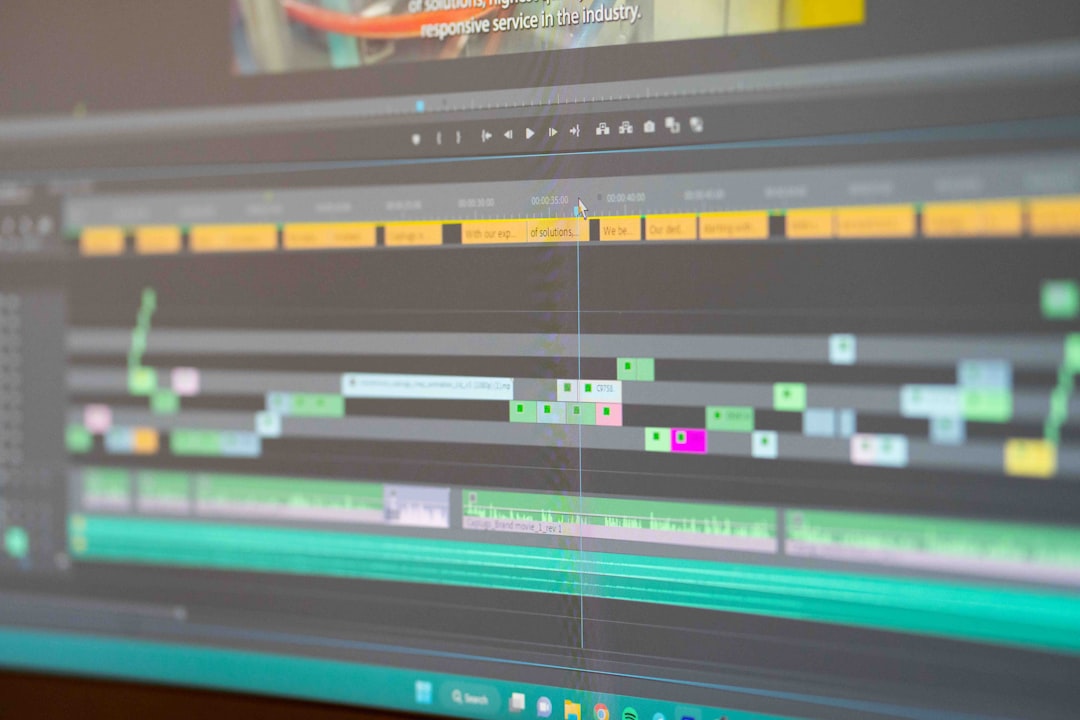
While many tools are image or UI-centric, Frame.io caters specifically to video projects. With Frame.io, video teams and clients can leave timestamped feedback directly on the video timeline, making creative iteration quicker and far more precise.
- Inline comments: Leave frame-accurate feedback that shows exactly what needs fixing.
- Version control for videos: Upload multiple cuts, compare versions side-by-side, and approve when ready.
- Robust integrations: Works flawlessly with Adobe Premiere Pro and Final Cut Pro, saving time during the editing process.
For agencies handling multimedia campaigns, Frame.io simplifies one of the most complex types of feedback workflows: video revisions. It’s a must-have for teams producing high-quality visual content at scale.
Essential Features to Look for in Review Tools
While each tool on this list brings its unique strengths, high-performing design review platforms generally share a few key features:
- Real-time collaboration: Speed matters. Tools that support simultaneous reviews or edits reduce turnaround times.
- Visual commentary: Point-based comment systems help reduce confusion and allow pinpoint feedback.
- Cross-platform compatibility: From desktop to mobile, your clients should be able to review designs wherever they are.
- Version history: The ability to compare versions and roll back changes is essential in collaborative environments.
- Third-party integrations: Seamless integration with Slack, Jira, Trello, or Adobe tools makes everything more coherent.
How These Tools Impact Agency-Client Relationships
Aside from speeding up review cycles, using the right tools positions your agency as professional, organized, and tech-savvy. Clients appreciate being included in a more intuitive, visual way, which fosters trust and smoother communication. Moreover, avoiding endless feedback loops or miscommunications can mean the difference between hitting tight deadlines or missing the mark entirely.
Streamlined design review processes can also reduce friction internally among project managers, designers, developers, and copywriters. When everyone’s on the same visual page, collaboration flows, and creativity thrives.
Final Thoughts
The world of design is dynamic, and your review tools should be too. By adopting collaborative platforms like Figma, InVision, MarkUp.io, Pastel, and Frame.io, agencies can better manage feedback, save valuable time, and deliver high-quality work faster. Each tool offers a unique edge depending on your agency’s needs—be it real-time design collab, simplified client commenting, or high-fidelity video feedback—so it’s well worth experimenting to find your perfect match.
At the end of the day, great design relies not just on talent, but on brilliant communication. With the right collaborative design review tool, you’ll turn client feedback from a chore into a strength.