
Tumbons are a cultural cornerstone in Thailand, embodying administrative function, local identity, and deep-rooted tradition. For anyone interested in Thai governance, anthropology, or simply understanding rural life, exploring the concept of a tumbon is an enlightening journey into the country’s decentralized administrative system and cultural fabric.
TLDR (Too Long, Didn’t Read)
A tumbon is a Thai subdistrict that plays a crucial role in local administration and cultural identity. It serves as the layer between districts and villages, helping manage public services and civic projects. Tumbons also showcase regional uniqueness through traditions, language, and festivals. Understanding them reveals the grassroots strength of Thai governance and the value of local participation.
What is a Tumbon?
The word tumbon (also spelled as tambon) literally means “subdistrict” in Thai. Tumbons form the administrative division below districts (amphoe) and above villages (muban). Each tumbon is composed of several villages—usually between 5 and 10—grouped together for governance and administrative efficiency.
Tumbons were officially introduced during the late 19th-century administrative reforms initiated by King Rama V. The aim was to create a tighter and more manageable bureaucratic structure that still allowed for regional autonomy. Over the decades, this system has evolved, becoming a unique blend of governance and grassroots democracy.
Image not found in postmetaAdministrative Structure and Governance
Each tumbon is administered by a local body known as the Tambon Administrative Organization (TAO), or ongkan borihan suan tambon in Thai. These organizations are responsible for:
- Allocating budgets for local infrastructure, such as roads and water supply
- Managing waste disposal and environmental protection
- Supporting education and public health services
- Promoting local cultural traditions and festivals
The TAO typically consists of an elected chief and local representatives from each village. This structure is designed to foster local engagement and participation. Tumbons are, therefore, more than administrative segments; they are dynamic entities deeply embedded in the daily life of their communities.
Cultural Significance of Tumbons
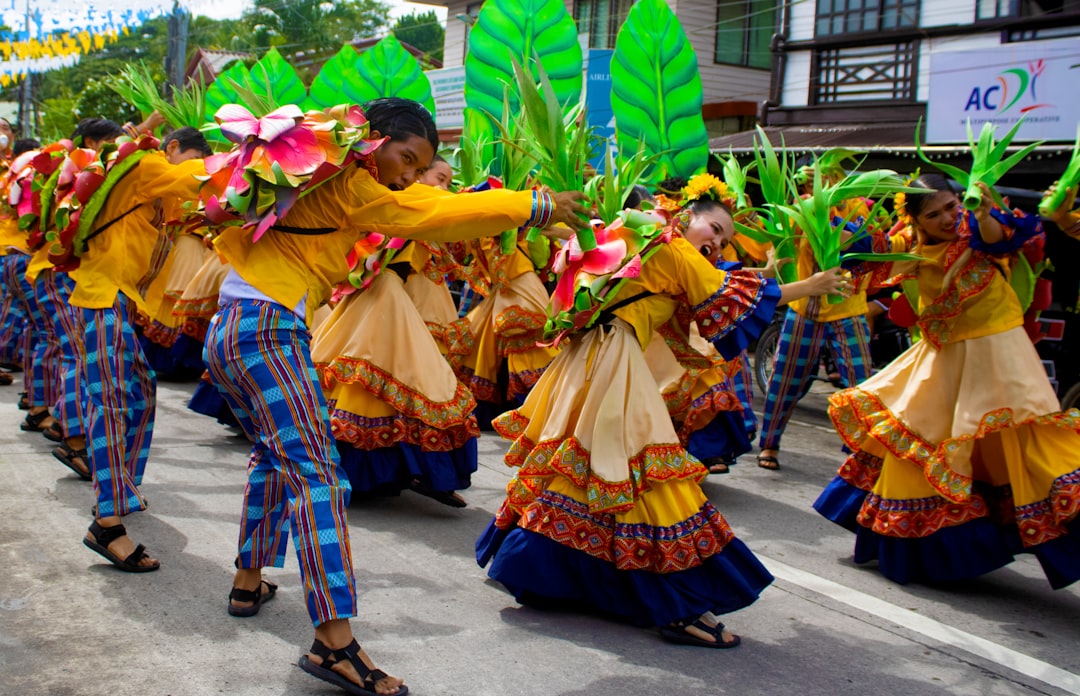
While their governmental function is critical, the cultural importance of tumbons cannot be overstated. Each tumbon has unique traditions, dialects, festivals, and costumes that distinguish it from others—even within the same district. These customs are often intertwined with Buddhist practices, animist beliefs, and seasonal celebrations.
Examples of such traditions include:
- Bun Bang Fai (Rocket Festival) – Celebrated in northeastern tumbons to invoke rain for rice farming
- Phi Ta Khon – A vibrant ghost festival in Dan Sai tumbon, blending local folklore with modern celebration
- Loi Krathong – Lantern-floating festivals are organized at the community level within each tumbon
In this way, tumbons act as guardians of Thai heritage and local identity, helping pass cultural values from one generation to the next.
The Role of Tumbons in Thai Society
Tumbons are particularly vital in rural Thailand, where distances from major administrative centers can lead to delays in essential services. Through the TAO model, resources can be allocated quickly and efficiently. But tumbons serve more than an operational purpose—they also help create a profound sense of community.
Some visible roles of tumbons in rural life include:
- Disaster response – Organizing flood relief and emergency procedures
- Economic development – Supporting local markets and vocational training
- Youth development – Offering scholarships and sports programs
How Tumbons Compare Globally
The concept of a tumbon has parallels in many countries, though the cultural depth attached to it is uniquely Thai. Similar administrative units include:
- Barangays in the Philippines
- Wards in East African countries like Kenya
- Communes in Vietnam and Cambodia
However, few of these are as deeply integrated into the cultural, administrative, and social frameworks of the population as tumbons are in Thailand.
The Evolving Role of Tumbons in the Modern Age
As Thailand undergoes rapid urbanization and economic change, the role of tumbons is also evolving. Digital infrastructure, transportation networks, and tourism are reaching rural areas at unprecedented rates. Tumbons must now balance preserving traditional values with fostering innovation and accessibility.
Examples of modernization include:
- Community internet centers funded by the TAO
- Digital registration platforms for land and residency records
- Tourism initiatives showcasing local crafts and festivals
This evolution underscores the tumbon’s adaptability and continued relevance. Their success in balancing old and new speaks to the resilience of Thai local governance.
Why Tumbons Matter
The importance of a tumbon lies in its multifaceted role in Thai life. From a practical standpoint, it enables efficient and community-tailored governance. On a cultural level, it protects heritage and supports cohesion. As Thailand moves forward, the tumbon remains a bridge—connecting tradition and progression on the grassroots level.
FAQs: Understanding Tumbons
-
Q: What exactly is a tumbon?
A: A tumbon is a subdistrict in Thailand, situated between the district (amphoe) and the village (muban) in administrative hierarchy. Each tumbon typically governs between 5 and 10 villages. -
Q: How does a tumbon function administratively?
A: It is managed by a Tambon Administrative Organization (TAO), which oversees local development, budgeting, and public services such as education, health, and infrastructure. -
Q: How are leaders of a TAO chosen?
A: Leaders, including the chief executive and council members, are elected by residents of the tumbon through local elections, reflecting democratic principles at the grassroots level. -
Q: What makes each tumbon culturally unique?
A: Each tumbon may have its own dialect, festival, spiritual practice, or traditional craft. These elements are often passed down within the community over generations. -
Q: Are tumbons still relevant in modern Thailand?
A: Yes. While modernization continues, tumbons adapt through new technologies and initiatives, ensuring they remain central to both administration and cultural preservation in Thai society.
Understanding tumbons is key to appreciating the intricate social and administrative web that supports Thai rural life. Their influence goes beyond governance—they represent the soul, strength, and cultural diversity of communities across the nation.