
Choosing a messaging platform is rarely just about sending texts or emails; it is about keeping communication organized, timely, and useful. UseMessages positions itself as a practical tool for teams that want to manage customer conversations, announcements, notifications, and engagement workflows without drowning in scattered channels.
TLDR: UseMessages is a communication-focused platform designed to help businesses manage and automate user messaging in a cleaner, more structured way. Its strongest appeal is the combination of centralized message management, automation, audience targeting, and analytics. Pricing appears to be tier-based, so the best value depends on message volume, team size, and the features you actually need. It is a good fit for startups, SaaS teams, and growing businesses that want more control over customer communication.
What Is UseMessages?
UseMessages is built around a simple idea: businesses need a better way to communicate with users across different points in the customer journey. Whether you are welcoming new users, sending product updates, reminding customers about unfinished actions, or responding to support requests, the platform aims to make these interactions easier to plan and manage.
Instead of treating every message as a one-off task, UseMessages encourages teams to think in terms of workflows, segments, and outcomes. This makes it especially relevant for SaaS companies, app developers, online service providers, ecommerce brands, and customer success teams that rely on consistent communication to improve retention and engagement.

Key Features of UseMessages
The main strength of UseMessages is that it brings several messaging functions into one organized environment. While exact capabilities can vary depending on the plan, the platform is generally centered on the following feature areas.
1. Centralized Message Management
UseMessages helps teams create, schedule, and monitor messages from a single dashboard. This is useful for businesses that currently rely on multiple tools, spreadsheets, or manual reminders to keep communication running. A centralized system reduces the risk of missed follow-ups and duplicated messages.
For teams with multiple departments, this can also improve consistency. Marketing, support, product, and customer success can align around what users are receiving and when they are receiving it.
2. Audience Segmentation
One of the most useful elements of any modern messaging platform is the ability to send different messages to different people. UseMessages typically supports segmentation based on user behavior, profile data, or status in the customer journey.
For example, a team might create separate campaigns for:
- New users who need onboarding guidance
- Inactive users who may need a re-engagement message
- Paying customers who should receive product updates
- Trial users who need conversion-focused reminders
- High-value accounts that require more personalized communication
This type of targeting makes messages feel more relevant, which can improve open rates, clicks, replies, and overall customer satisfaction.
3. Automation and Workflows
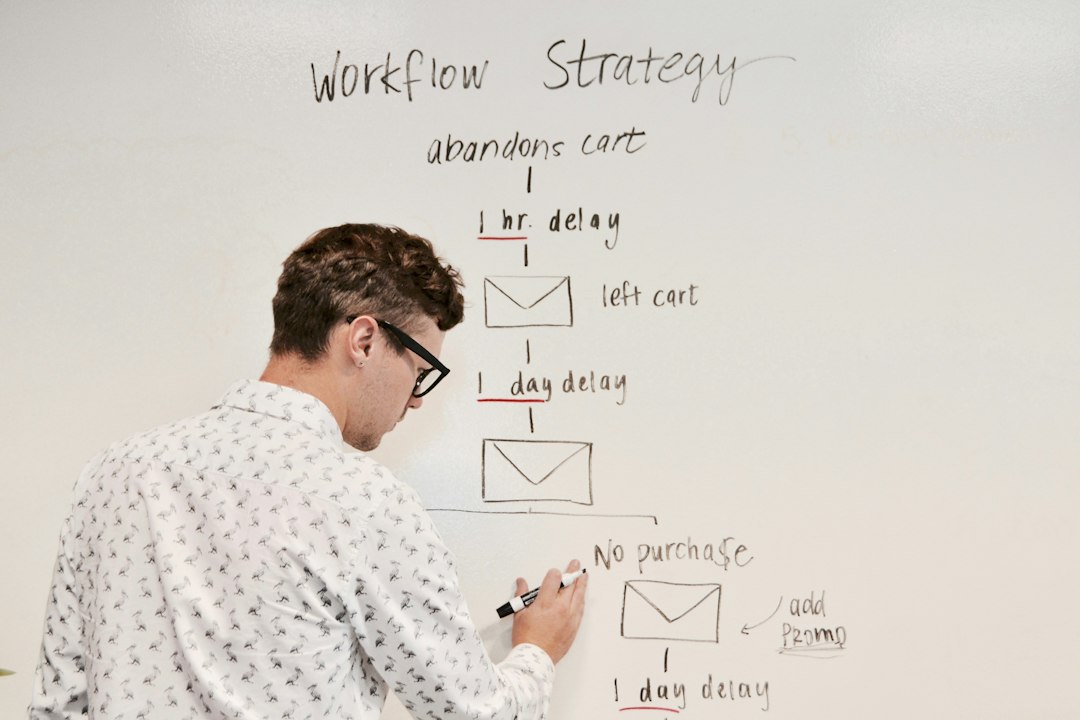
Automation is where UseMessages becomes more than a simple communication tool. Teams can create automated sequences that trigger based on specific conditions, such as a signup, a missed payment, an abandoned setup process, or a lack of activity.
For growing companies, automation saves time and helps ensure that users receive the right message at the right moment. Instead of manually checking who needs a reminder, the platform can handle recurring communication patterns in the background.
4. Templates and Message Personalization
UseMessages may also include reusable templates for common communication scenarios. Templates are helpful because they speed up message creation while keeping tone and structure consistent.
Personalization is another important feature. Even small details, such as adding a user’s name, company, subscription type, or recent activity, can make a message feel less generic. For customer-facing teams, this balance of efficiency and personalization is valuable.
5. Analytics and Reporting
A messaging platform is only as good as the insight it provides. UseMessages includes analytics so teams can track how messages perform. Typical metrics may include delivery rates, open rates, click-through rates, replies, conversions, and engagement over time.
These reports help teams answer practical questions: Are onboarding emails working? Are users clicking product update announcements? Which reminder messages lead to action? With this data, businesses can adjust wording, timing, and targeting instead of guessing.
6. Collaboration Features
For teams, collaboration matters. UseMessages can help multiple users work together on campaigns, review messages, manage conversations, and coordinate communication strategies. This is particularly useful when support teams and marketing teams both communicate with the same customer base.
Good collaboration features reduce confusion. They also make it easier to maintain a shared voice across customer interactions.
User Experience and Ease of Use
A product like UseMessages needs to be powerful without feeling overwhelming. The ideal experience is a dashboard where teams can quickly understand what messages are active, who is receiving them, and how they are performing.
For smaller teams, ease of setup is especially important. If a platform requires too much technical work before sending the first useful message, adoption may suffer. UseMessages appears best suited for users who want a straightforward interface but still need enough flexibility to create targeted, automated campaigns.
That said, businesses with complex data structures or advanced integrations should evaluate the setup process carefully. The more personalized and automated your messaging strategy becomes, the more important it is to connect accurate user data.
UseMessages Pricing
UseMessages pricing is typically best understood as a tiered SaaS model, where costs depend on usage, features, and team needs. As with most messaging platforms, the final price may be influenced by factors such as the number of contacts, message volume, seats, automation limits, and access to advanced analytics or integrations.
Common pricing considerations include:
- Free or starter access: Useful for testing the platform, exploring the interface, and sending limited messages.
- Growth plans: Designed for small to medium teams that need more contacts, campaigns, workflows, and reporting.
- Advanced plans: Better suited for businesses with heavier messaging needs, multiple team members, and more complex automation.
- Custom or enterprise pricing: Often relevant for larger organizations requiring higher limits, priority support, security options, or custom integrations.

Before choosing a plan, it is worth checking the current pricing page directly because SaaS pricing can change. Look closely at what is included in each tier. A low monthly price may not be the best deal if it limits the number of users, messages, automations, or segments you need.
Who Should Use UseMessages?
UseMessages is a strong option for teams that communicate with users regularly and want to become more systematic about it. It is particularly useful if your business depends on onboarding, activation, retention, and product education.
The platform is likely a good fit for:
- SaaS startups that need onboarding and lifecycle messaging
- Product teams announcing feature releases or changes
- Customer success teams managing renewals, updates, and engagement
- Small businesses that want automation without building custom systems
- Marketing teams looking for targeted campaign communication
However, it may be less ideal for companies that only send occasional manual messages or do not need segmentation and automation. In that case, a simpler email or support tool might be enough.
Pros and Cons
Pros
- Organized communication: Keeps customer messaging easier to manage from one place.
- Automation friendly: Helps reduce repetitive manual follow-ups.
- Better targeting: Segmentation allows messages to feel more relevant.
- Performance visibility: Analytics make it easier to improve campaigns over time.
- Team usefulness: Can support collaboration across marketing, product, and support teams.
Cons
- Pricing depends on usage: Costs may rise as your contact list or message volume grows.
- Setup may require planning: Automation works best when user data is clean and well organized.
- May be more than some teams need: Very small teams with basic messaging needs might not use all features.
Final Verdict
UseMessages is a practical platform for businesses that want to improve how they communicate with users. Its value comes from combining message management, automation, segmentation, and analytics into a more unified workflow. Rather than sending the same message to everyone, teams can create more thoughtful communication based on user behavior and lifecycle stage.
The pricing should be evaluated carefully, especially if your business expects rapid growth in contacts or message volume. Still, for teams that depend on user engagement, onboarding, retention, and customer education, UseMessages can be a worthwhile investment. If your current messaging process feels scattered or overly manual, it is a platform worth considering.