
The web is huge. It is noisy. It is messy. And it is full of data.
If you want to collect that data at scale, you need more than just a simple script. You need a strategy. You need smart tools. And most of all, you need proxies.
TLDR: Large-scale web scraping sends many requests to websites. Without proxies, your IP address gets blocked fast. Proxies spread your requests across many IP addresses and locations. This keeps your scraper running, fast, and under the radar.
Now let’s break it down in a fun and simple way.
First, What Is Web Scraping?
Web scraping is when a program visits websites and collects information automatically.
It can grab:
- Product prices
- Reviews
- Stock data
- Flight prices
- News headlines
- Social media trends
Instead of copying and pasting like a human, the scraper does it at machine speed.
That means hundreds. Or thousands. Or even millions of requests.
This is where problems begin.
Websites Do Not Like Bots
Imagine someone knocking on your door 10,000 times per hour.
You would not be happy.
Websites feel the same way.
They have protection systems that look for:
- Too many requests from one IP address
- Strange browsing patterns
- No mouse movement or clicks
- Requests happening too fast
When they see this, they block you.
Sometimes softly. Sometimes hard.
You might see:
- A CAPTCHA challenge
- A temporary ban
- A permanent IP block
- Completely fake data
If you scrape at scale without protection, your project will crash quickly.
What Is a Proxy?
A proxy acts like a middleman.
Instead of visiting a website directly, your request goes to the proxy. The proxy then forwards it to the website.
The website sees the proxy’s IP address. Not yours.

Think of it like sending someone else to knock on the door for you.
If you use many different “people,” no single one gets tired. Or banned.
Why Proxies Are Essential for Large-Scale Scraping
Let’s get to the good part.
1. Avoiding IP Bans
This is the biggest reason.
Without proxies:
- All requests come from one IP
- Websites detect unusual activity
- You get blocked quickly
With proxies:
- Requests rotate across many IP addresses
- Traffic looks natural
- Blocking becomes much harder
It is like having a crowd of visitors instead of one very annoying guest.
2. Scaling Requests Safely
Large-scale scraping means volume.
Lots of pages. Lots of data. Lots of server calls.
If you send 100,000 requests from one IP, alarms will go off.
If you send those same requests across 1,000 IPs, each IP only sends 100 requests.
That looks normal.
Proxies allow your scraper to grow without crashing into walls.
3. Accessing Geo-Restricted Content
Not all content is the same everywhere.
Prices change by country. Search results change by city. Ads change by region.
If you want accurate data, you must appear local.
Proxies let you choose IP addresses from:
- Different countries
- Specific cities
- Even different mobile carriers
This is powerful.
You can compare flight prices in New York versus London. Or product costs in Tokyo versus Berlin.
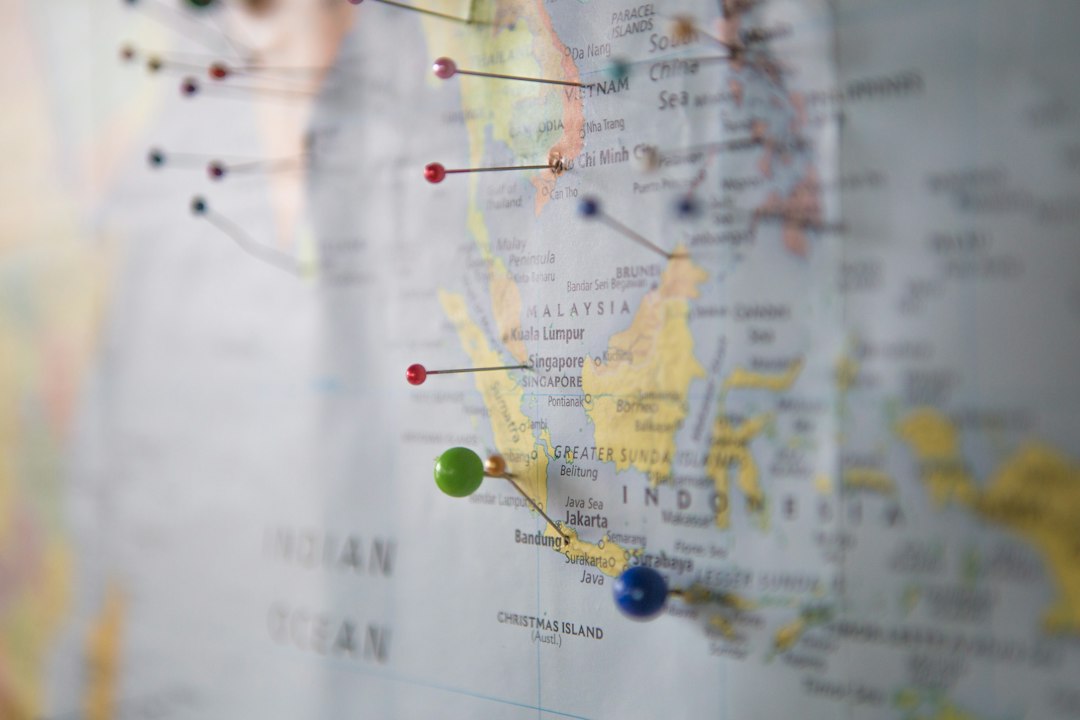
Without proxies, you only see the web from one location. That limits your insight.
4. Bypassing Rate Limits
Websites often set rate limits.
For example:
- 100 requests per hour per IP
- 1,000 requests per day
When you hit the limit, access stops.
Proxies solve this by spreading the load.
If you have 50 proxies, each one handles a small part of the work.
Your total capacity increases dramatically.
It is simple math. More IPs equals more room to move.
5. Better Success Rates
Scraping is not just about sending requests.
It is about getting valid responses.
Without proxies:
- More failed requests
- More timeouts
- More blocks
With well-managed proxies:
- Higher success rates
- Cleaner data
- More stable scraping sessions
This means less debugging. And less frustration.
Types of Proxies Used in Scraping
Not all proxies are the same. Choosing the right one matters.
Residential Proxies
These use real IP addresses from real homes.
Websites trust them more.
They are harder to detect.
They are great for sensitive targets.
Datacenter Proxies
These come from data centers.
They are fast. And affordable.
But they are easier to detect.
They work well for less protected websites.
Mobile Proxies
These use mobile network IPs.
They are extremely trustworthy.
Websites rarely block them aggressively.
They are powerful. But often more expensive.
Picking the right mix depends on your goal.
Proxy Rotation: The Secret Sauce
Using proxies is step one.
Rotating them is step two.
Rotation means changing the IP address frequently.
This can happen:
- After every request
- After a set time interval
- When a block is detected
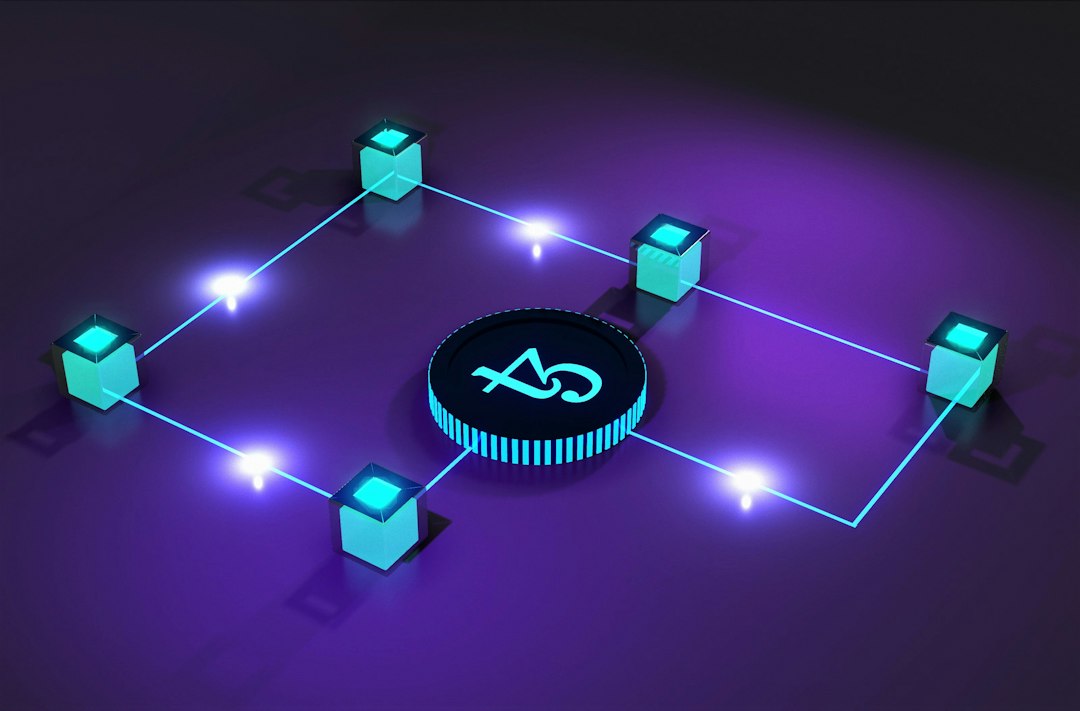
Rotation keeps your activity fresh.
It prevents patterns from forming.
And patterns are what detection systems love.
Proxies and Anti-Bot Systems
Modern websites use smart protection.
They analyze:
- IP reputation
- Browser fingerprints
- User behavior
- Request timing
Proxies help with the first layer: IP protection.
They reduce the risk of being flagged instantly.
But for large-scale projects, they often work together with:
- Headless browsers
- User-agent rotation
- Randomized delays
- Session management
Think of proxies as your shield. Other tools are your armor.
Business Benefits of Using Proxies
Let’s step back from the technical side.
Why do companies invest in proxies?
Because data is money.
E-commerce companies monitor competitors’ prices in real time.
Marketing agencies track search engine rankings across cities.
Travel platforms compare global ticket prices.
Financial firms monitor market signals and sentiment.
All of this requires large-scale scraping.
And that requires stable proxy networks.
No proxies. No data. No competitive edge.
What Happens Without Proxies?
Let’s imagine you skip them.
You launch a scraper from one server.
At first, it works.
Then:
- Requests slow down
- CAPTCHAs appear
- Access gets denied
- Your IP gets blacklisted
Now you must:
- Change servers
- Restart scripts
- Clean bad data
- Lose valuable time
It becomes a constant fight.
Proxies turn that chaos into a system.
Keeping It Ethical and Smart
Proxies are powerful. But they should be used responsibly.
Good scraping practices include:
- Respecting robots.txt where appropriate
- Not overloading servers
- Adding delays between requests
- Following local laws and terms
The goal is to collect data. Not to break websites.
Smart scraping is sustainable scraping.
Final Thoughts
Large-scale web scraping is not a small task.
It is technical. It is demanding. And it is competitive.
Without proxies, your scraper is exposed.
With proxies, you gain:
- Protection
- Scalability
- Flexibility
- Global reach
They are not just an add-on.
They are the backbone of serious scraping operations.
If data is the fuel of the digital economy, proxies are the roads that let you travel safely and quickly.
And in the world of large-scale web scraping, safe and fast wins every time.