
You land in a new country. You turn off airplane mode. Ping! A message pops up: “Welcome abroad. Data roaming charges may apply.” Suddenly, your relaxing trip feels a bit stressful. What is data roaming? Will it cost a fortune? And how can you avoid bill shock? Let’s break it all down in a simple and fun way.
TL;DR: Data roaming lets you use mobile data outside your home network, usually when you travel abroad. Your phone connects to a foreign network, and your home carrier may charge extra. Roaming can be expensive without a plan, but travel passes, local SIM cards, or eSIMs can save you money. Always check your carrier’s rates before you travel.
What Is Data Roaming?
Data roaming happens when your phone connects to a network that is not your regular mobile provider. This usually happens when you leave your home country.
Here’s how it works:
- Your carrier does not have towers in the country you are visiting.
- So they partner with a local network.
- Your phone connects to that partner network.
- You can use calls, texts, and mobile data.
Sounds convenient, right? It is. But it is often more expensive.

Why Is Roaming Expensive?
Think of it like renting someone else’s car. Your carrier is “borrowing” another company’s network. That costs them money. And they pass that cost to you.
Roaming charges can include:
- Data usage (per MB or GB)
- Phone calls (made and received)
- Text messages
In some cases, one gigabyte of roaming data can cost more than a nice dinner. Streaming one movie could cost you a small fortune. Yes, really.
What Counts as Data?
Many people think they are not using data. But their phone thinks otherwise.
Mobile data includes:
- Browsing websites
- Using social media
- Sending emails
- Using maps
- Streaming music or videos
- Background app refresh
Even checking the weather widget uses data. Small amounts add up fast.
Domestic vs. International Roaming
Not all roaming is international.
Domestic roaming happens when you connect to another network inside your own country. This usually does not cost extra.
International roaming happens when you cross borders. This is where extra fees usually appear.
Always read your carrier’s fine print. Some regions, like the European Union, have special roaming rules. You may roam at no extra cost between member countries. That is a sweet deal.
How to Check If You Are Roaming
Your phone normally tells you.
Look for:
- A small “R” or “Roaming” icon at the top of your screen
- A welcome text message from a foreign network
- A change in the carrier name on your display
If you see these signs, you are probably roaming.
How Much Does Data Roaming Cost?
Prices vary by carrier and country. But here is a general idea:
- Pay-per-use: Very expensive per MB or GB
- Daily roaming pass: Flat daily fee
- Travel add-on package: Fixed price for a set amount of data
Some carriers charge $10–15 per day for roaming passes. Others charge per megabyte if you do not have a plan. That can mean hundreds of dollars if you stream or upload photos.
Ways to Avoid Huge Roaming Bills
Good news. You have options.
1. Turn Off Data Roaming
You can disable roaming in your phone settings. This blocks mobile data when abroad.
Steps are simple:
- Open Settings
- Go to Mobile or Cellular
- Toggle off Data Roaming
You can still use Wi-Fi. This is the safest option.
2. Use Wi-Fi Whenever Possible
Hotels. Cafes. Airports. Free Wi-Fi is everywhere.
But be careful on public networks. Avoid banking apps unless you use a VPN.

3. Buy a Roaming Pass
Many carriers offer travel passes. You pay a daily fee. You use your phone like at home, within limits.
This option is easy. No SIM swapping. No setup stress.
But it can get expensive on long trips.
4. Get a Local SIM Card
When you arrive, buy a prepaid SIM from a local carrier.
Benefits:
- Cheaper local rates
- Large data bundles
- No surprise fees from home carrier
Downsides:
- You get a new phone number
- You must swap SIM cards
- Your phone must be unlocked
5. Use an eSIM
An eSIM is a digital SIM. No physical card needed.
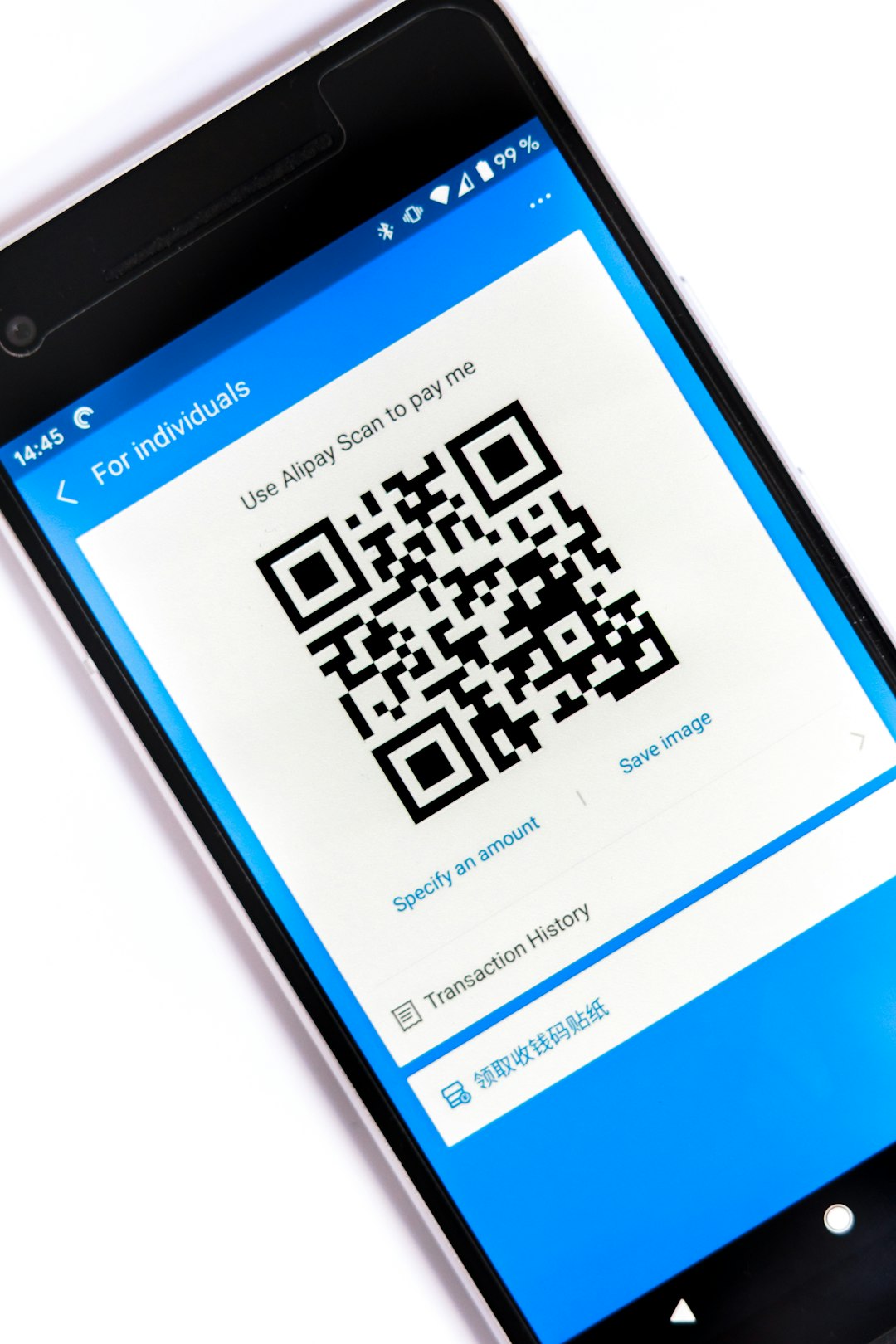
You download a data plan. Scan a QR code. Done.
It is perfect for travelers. Quick and flexible.
Comparison: Roaming Options
| Option | Cost | Convenience | Best For |
|---|---|---|---|
| Pay Per Use | Very High | Very Easy | Emergencies Only |
| Roaming Pass | Medium to High | Very Easy | Short Trips |
| Local SIM | Low | Medium | Longer Stays |
| eSIM | Low to Medium | Easy | Frequent Travelers |
What About Calls and Texts?
Roaming is not just about data.
Receiving calls abroad can cost money. Yes, even if you do not answer sometimes. Check your carrier’s rules.
Text messages are usually cheaper than calls. But messaging apps like WhatsApp or iMessage use data instead.
Tip: Use Wi-Fi calling or messaging apps when connected to Wi-Fi.
Should You Turn On Airplane Mode?
Airplane mode is your friend.
When you turn it on:
- Cellular connections stop
- No roaming charges apply
- You can still enable Wi-Fi manually
This gives you full control.
How to Estimate Your Data Needs
Ask yourself a few questions:
- Will you use maps daily?
- Will you upload photos and videos?
- Will you stream Netflix or YouTube?
- Is it a business trip with emails and video calls?
Light users may need 1–3 GB per week.
Moderate users may need 5–10 GB.
Heavy streamers need more.
Download maps and shows before you leave. Offline mode saves tons of data.
Common Roaming Mistakes
- Forgetting to disable background app refresh
- Uploading large videos on mobile data
- Not checking carrier rates in advance
- Assuming roaming is free everywhere
Do not assume. Always verify.
Is Roaming Ever Free?
Sometimes, yes.
Some premium mobile plans include international roaming. Some regions have roaming agreements. For example:
- European Union “Roam Like at Home” rules
- Special North America plans between US, Canada, and Mexico
But even “free” roaming often has fair use limits. After a certain amount of data, speeds may slow down.
The Future of Data Roaming
Good news. Roaming is getting better.
eSIM technology is expanding. More global data providers are offering affordable plans. Competition is lowering prices.
In the future, switching networks may become seamless and cheap. Travel connectivity is becoming simpler every year.
Final Tips Before You Travel
- Call your carrier and ask about roaming rates
- Compare eSIM and local SIM prices online
- Download offline maps
- Turn off automatic app updates
- Monitor your data usage in settings
A little preparation goes a long way.
Bottom Line
Data roaming is not scary. It is just your phone connecting to a foreign network. The real danger is surprise charges.
Understand your options. Pick the right plan. Use Wi-Fi wisely.
Then enjoy your trip. Post your photos. Navigate new streets. Stay connected.
Just do it smartly.