
Insurance claims can feel like a traffic jam. Papers pile up. Emails get buried. Customers grow impatient. And your team? They are trying to keep up while juggling calls and deadlines.
The good news is this: modern technology can clear that traffic fast. Today’s insurance claims tools are built to save time, cut errors, and make everyone’s life easier. Let’s explore five powerful tools that can seriously speed up your claims processing.
TL;DR: Insurance claims tools help you process claims faster and with fewer mistakes. Automation, AI damage assessment, document management, communication platforms, and analytics dashboards are game changers. They reduce manual work and improve accuracy. The result is happier customers and a more productive team.
1. Automated Claims Management Software
This is the backbone of fast claims processing.
An automated claims management system handles the entire workflow. From first notice of loss to final payout. It keeps everything moving in one central platform.
So what does it actually do?
- Assigns claims to adjusters automatically
- Tracks claim status in real time
- Sends reminders for pending tasks
- Stores all claim details in one place
- Reduces paperwork and manual data entry
No more digging through spreadsheets. No more sticky notes on desks.
Automation reduces human error. It also prevents bottlenecks. If one step is delayed, the system flags it. Managers can jump in quickly.
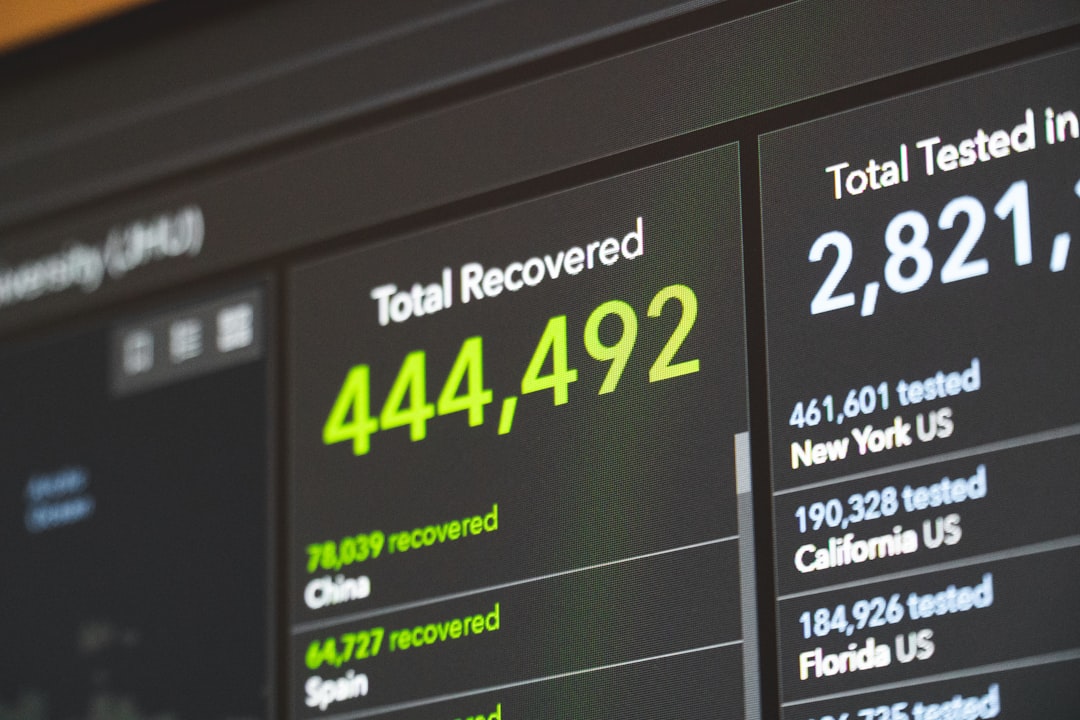
Why it speeds things up:
- Fewer repetitive tasks
- Faster claim routing
- Clear visibility into progress
- Centralized information
Instead of reacting to problems, your team stays ahead of them.
2. AI-Powered Damage Assessment Tools
Imagine uploading a photo of a damaged car. Then getting an instant estimate. That’s the power of AI damage assessment.
These tools use artificial intelligence and image recognition. They analyze photos of property or vehicle damage. Then they generate repair estimates.
It sounds futuristic. But it’s already here.
For example, a policyholder uploads pictures through a mobile app. The AI scans:
- Scratches
- Dents
- Broken parts
- Structural damage
Within minutes, the system provides a cost estimate. Adjusters review and approve.

How this helps:
- Cuts inspection time dramatically
- Reduces need for in-person visits
- Speeds up simple claim approvals
- Improves estimate consistency
This is especially useful for auto and property claims. Simple cases can be settled in hours instead of days.
Customers love fast answers. AI helps you deliver them.
3. Digital Document Management Systems
Paper files slow everything down. They get lost. They get misfiled. They take up space.
A digital document management system solves that.
All claim documents are scanned or uploaded. Everything is stored in searchable folders. Instantly accessible.
Typical documents include:
- Police reports
- Medical records
- Repair invoices
- Photos and videos
- Email correspondence
Instead of hunting through cabinets, adjusters type a keyword. The file appears in seconds.

But it gets better.
Many systems include smart tagging and auto-indexing. This means documents are categorized automatically. No manual sorting required.
Speed benefits:
- Instant file retrieval
- No physical paperwork delays
- Easy collaboration between teams
- Secure cloud access from anywhere
When adjusters, legal teams, and managers can access the same documents at the same time, decisions happen faster.
4. Real-Time Customer Communication Platforms
Silence frustrates customers.
When people file a claim, they are often stressed. They want updates. They don’t want to call five times for status checks.
Modern communication platforms fix that.
These tools provide:
- Automated SMS updates
- Email notifications
- In-app messaging
- Customer self-service portals
Customers can log in and see claim status instantly. No phone call required.
They can upload documents. Ask questions. Review settlement offers. All in one place.
How this speeds processing:
- Fewer inbound phone calls
- Faster document submission
- Clear communication reduces delays
- Less back-and-forth clarifying details
When customers respond quickly, claims move quickly.
And when they feel informed, they complain less. That’s a bonus.
5. Claims Analytics and Reporting Dashboards
You can’t improve what you don’t measure.
Claims analytics dashboards give you real-time performance data. They show where delays happen. They highlight workload imbalances.
Think of it as a control panel for your claims department.
Common metrics tracked:
- Average claim cycle time
- Settlement time by claim type
- Adjuster productivity
- Claim approval rates
- Fraud detection flags
If one adjuster is overloaded, managers can reassign claims. If a certain claim type takes longer, workflows can be improved.
Why this matters:
- Identifies bottlenecks quickly
- Improves staffing decisions
- Helps forecast claim volumes
- Supports data-driven process improvements
Instead of guessing what’s wrong, you see it clearly. Then you fix it fast.
Quick Comparison Chart
| Tool | Main Function | Best For | Speed Impact |
|---|---|---|---|
| Automated Claims Management | Workflow and task automation | End to end claim handling | High |
| AI Damage Assessment | Photo based damage estimation | Auto and property claims | Very High for simple cases |
| Document Management System | Digital file storage and search | All claim types | High |
| Customer Communication Platform | Real time updates and messaging | Customer satisfaction | Medium to High |
| Analytics Dashboard | Performance tracking | Team optimization | Long term High |
How These Tools Work Together
Here’s the secret. The real magic happens when these tools connect.
Picture this simple flow:
- A customer files a claim online.
- The automated system assigns it instantly.
- The customer uploads damage photos.
- AI evaluates the images in minutes.
- Documents are stored automatically.
- The customer receives real-time updates.
- Managers track the entire process on a dashboard.
That’s a smooth pipeline.
No unnecessary waiting. No confusion. No lost paperwork.
Speed is not about rushing. It’s about removing friction.
What to Look for When Choosing a Tool
Not all tools are created equal. Keep it simple. Look for:
- Easy integration with your existing systems
- User-friendly interface
- Strong data security
- Mobile accessibility
- Reliable customer support
Also consider scalability. Your claims volume may grow. Your software should grow with you.
The Bottom Line
Speed matters in insurance. But accuracy matters too.
The right claims tools help you achieve both.
Automation reduces manual effort. AI accelerates assessments. Digital document systems eliminate paper delays. Communication platforms keep customers informed. Analytics dashboards guide smarter decisions.
Each tool solves a different problem. Together, they transform your entire workflow.
And here’s the best part.
Faster claims processing doesn’t just benefit your company. It helps people during stressful times. After accidents. After property damage. After loss.
Processing claims quickly is not just efficient. It’s compassionate.
With the right tools in place, your team can focus less on paperwork and more on people.
That’s a win for everyone.