
Taxes are often associated with stable jobs, permanent addresses, and predictable incomes. Yet a common and important question remains: do homeless people pay taxes? The answer is more nuanced than many assume. Homelessness does not automatically exempt a person from tax obligations, and in many situations, individuals without housing still pay certain taxes—sometimes without even realizing it.
TLDR: Homeless people are generally required to pay taxes if they earn taxable income, just like anyone else. Even without a permanent address, they may owe federal, state, payroll, or sales taxes depending on their income and purchases. Many homeless individuals also have taxes withheld from wages or pay sales tax on everyday goods. However, low income, disability status, or reliance on public benefits can significantly reduce or eliminate income tax liability.
Understanding Tax Obligations in General
Tax liability in the United States and many other countries is based primarily on income, not housing status. Whether someone owns a home, rents an apartment, lives with friends, or resides in a shelter does not determine their obligation to pay taxes. Instead, the key factors include:
- Total annual income
- Type of income (wages, self-employment, disability benefits, etc.)
- Filing status
- Applicable deductions and credits
Homeless individuals who earn income above the federal filing threshold are legally required to file a tax return. In many cases, however, their income falls below that threshold, meaning they may not owe income tax—but that does not mean they are outside the tax system entirely.
Types of Taxes Homeless People May Pay
It is important to distinguish between different types of taxes. Even individuals with very limited income often contribute to public revenue in indirect ways.
1. Income Taxes
If a homeless person works and earns wages, those wages are typically subject to federal and sometimes state income tax withholding. Employers must withhold taxes from paychecks regardless of the employee’s housing situation.
Common examples include:
- Working part-time in retail or food service
- Day labor or temporary agency employment
- Seasonal agricultural or construction work
Even if income is low enough that no taxes are ultimately owed, withholding may still occur. In many cases, filing a tax return allows the individual to receive a refund.
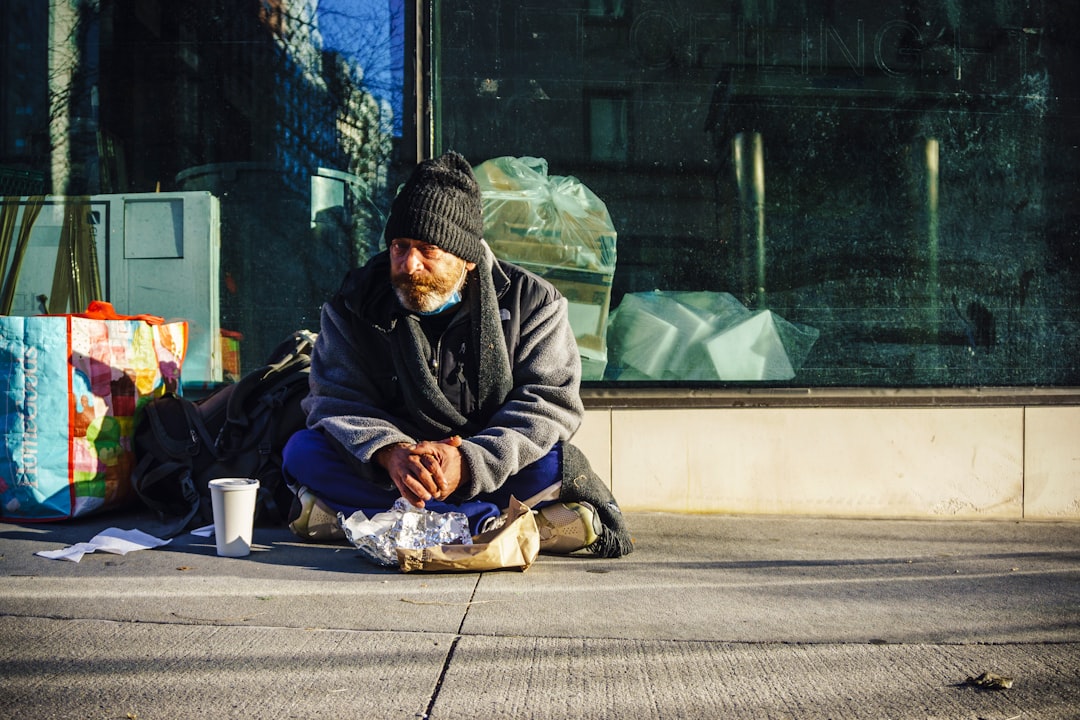
2. Payroll Taxes (Social Security and Medicare)
Payroll taxes are separate from income taxes. If someone earns wages as an employee, both the employer and employee contribute to:
- Social Security tax
- Medicare tax
These taxes apply regardless of income level (with limited exceptions for very low earnings). Therefore, a homeless individual working even a minimum-wage job typically contributes to Social Security and Medicare through automatic paycheck deductions.
3. Self-Employment Taxes
Some homeless individuals earn income through informal or independent work, such as:
- Recycling collection
- Street performance
- Freelance day labor
- Selling handmade goods
If this income exceeds certain thresholds, it may qualify as self-employment income. In that case, the individual may owe self-employment tax, which covers both the employee and employer portions of Social Security and Medicare.
4. Sales Taxes
Sales taxes apply to most consumer purchases. Housing status does not affect this obligation. When homeless individuals purchase:
- Food (in many states, certain types)
- Clothing
- Hygiene products
- Transportation tickets
They generally pay sales tax just like any other consumer. In practice, this means that even individuals with no earned income contribute to state and local tax revenue every time they make eligible purchases.
5. Property Taxes (Indirectly)
Homeless individuals typically do not pay property tax directly because they do not own real estate. However, when staying in certain transitional housing programs or group homes that include service fees, a portion of those payments may indirectly support property tax obligations of the facility owner.
What About Government Benefits?
Many people experiencing homelessness rely on public assistance programs. The tax treatment of these benefits varies significantly.
Image not found in postmetaGenerally Not Taxable:
- Supplemental Security Income (SSI)
- Supplemental Nutrition Assistance Program (SNAP)
- Housing assistance vouchers
- Temporary Assistance for Needy Families (TANF)
Sometimes Taxable:
- Social Security Disability Insurance (SSDI), depending on total income
- Unemployment benefits
If public benefits represent a person’s only income, that individual typically does not owe federal income taxes. However, if they combine benefits with employment income, tax liability may arise.
Filing Taxes Without a Permanent Address
A common misconception is that filing taxes requires a residential address. While the Internal Revenue Service (IRS) does require a mailing address, it does not require home ownership or tenancy.
Homeless individuals may use:
- A shelter address
- The address of a friend or family member
- A P.O. box
- The address of a trusted social service provider
For individuals receiving wages reported on a Form W-2 or independent work reported on a Form 1099, filing taxes may be not only possible but financially beneficial.
Tax Credits That May Benefit Homeless Individuals
Several refundable credits can significantly reduce tax burdens or result in refunds.
Earned Income Tax Credit (EITC)
The EITC is designed for low-income workers. Even individuals with modest earnings may qualify for a credit that exceeds the taxes withheld from their paychecks.
Child Tax Credit
Homeless parents who have qualifying children may also qualify, depending on specific income and custodial rules.
Recovery Rebate Credits
During certain periods, individuals who did not receive stimulus payments were able to claim them by filing a tax return—even without permanent housing.
Importantly, filing a tax return in these circumstances can mean receiving hundreds or even thousands of dollars.
Legal Consequences of Not Filing
If a homeless individual earns income above the required filing threshold and does not file a return, the legal obligations remain the same as for anyone else. Potential consequences include:
- Accumulated penalties
- Interest on unpaid taxes
- Future wage garnishment (if employment resumes)
However, enforcement for individuals with extremely low income is often limited by practical realities. The IRS cannot collect money that someone does not have, and collection policies often account for financial hardship.
Real-Life Examples

Example 1: Part-Time Worker Living in a Shelter
Maria works 20 hours per week at a grocery store while staying in a transitional shelter. Federal income tax and payroll taxes are withheld from her paychecks. At the end of the year, her income is below the taxable threshold, and she files a return. She receives a refund due to the Earned Income Tax Credit.
Example 2: Disabled Individual Receiving SSI
James relies solely on Supplemental Security Income. He has no earned income. Because SSI is not taxable and he does not exceed income limits, he does not owe federal income tax and is not required to file.
Example 3: Informal Worker Collecting Scrap Metal
David earns money collecting and selling scrap metal. His annual income exceeds the minimum self-employment threshold. Legally, he is required to report this income and may owe self-employment tax—even though he lacks stable housing.
Common Misconceptions
Myth 1: Homeless people do not pay any taxes.
Reality: Many pay sales taxes, payroll taxes, and sometimes income taxes.
Myth 2: You need a home to file taxes.
Reality: A mailing address is required, but it does not need to be a permanent residence.
Myth 3: Public benefits always eliminate tax responsibility.
Reality: Some benefits are taxable depending on total household income.
Policy and Ethical Considerations
The fact that homeless individuals often pay taxes raises broader policy questions. Indirect taxes like sales taxes are considered regressive, meaning they consume a higher percentage of income from low-income individuals than from higher earners.
Moreover, payroll taxes apply from the first dollar earned, which means even the lowest-wage workers contribute to national programs. Some policy analysts argue that the homeless population contributes proportionally more to public funding than commonly assumed—particularly through consumption taxes.
Understanding this reality can clarify discussions around public spending, social services, and civic contribution. Homeless individuals are not outside the legal or fiscal structure of society. In many cases, they contribute in ways that are less visible but nonetheless significant.
Conclusion
Homelessness does not automatically remove a person’s tax obligations. If a homeless individual earns taxable income, they are generally subject to the same federal and state tax laws as anyone else. Many also pay payroll taxes and sales taxes regardless of income level.
At the same time, low income, disability status, and eligibility for refundable tax credits often reduce or eliminate income tax liability. Some may even benefit financially by filing returns. The truth is both straightforward and complex: homeless people can and often do pay taxes, even if their financial circumstances look very different from the traditional image of a taxpayer.
A serious understanding of tax law requires recognizing that the system applies broadly—sometimes more broadly than public perception suggests.