
Robinhood has become one of the most popular platforms for new and active traders, especially those interested in day trading. With its commission-free model and easy-to-use mobile interface, it offers an accessible entry point into short-term trading strategies. However, day trading on Robinhood comes with specific rules, most notably the Pattern Day Trader (PDT) rule, which can significantly impact an account if not properly understood.
TLDR: Day trading on Robinhood is governed by the Pattern Day Trader (PDT) rule, which requires traders to maintain at least $25,000 in equity if they execute four or more day trades within five business days. Falling below this threshold can restrict an account from further day trades. Traders can avoid restrictions by understanding what qualifies as a day trade, managing trade frequency, and using risk controls. Careful planning and disciplined strategy are essential for success.
Understanding Day Trading on Robinhood
Day trading refers to buying and selling the same stock, option, or other security within the same trading day. The position is opened and closed before the market closes. On Robinhood, this applies to stocks and options, and in some cases, certain ETFs.
For example:
- Buying 100 shares of a stock at 10:00 AM and selling them at 2:00 PM the same day counts as one day trade.
- Buying an option contract and selling it later that same day also counts as one day trade.
- Selling short and then covering the position on the same day qualifies as a day trade.
Robinhood automatically tracks day trades and displays how many have been used within a rolling five-business-day period.
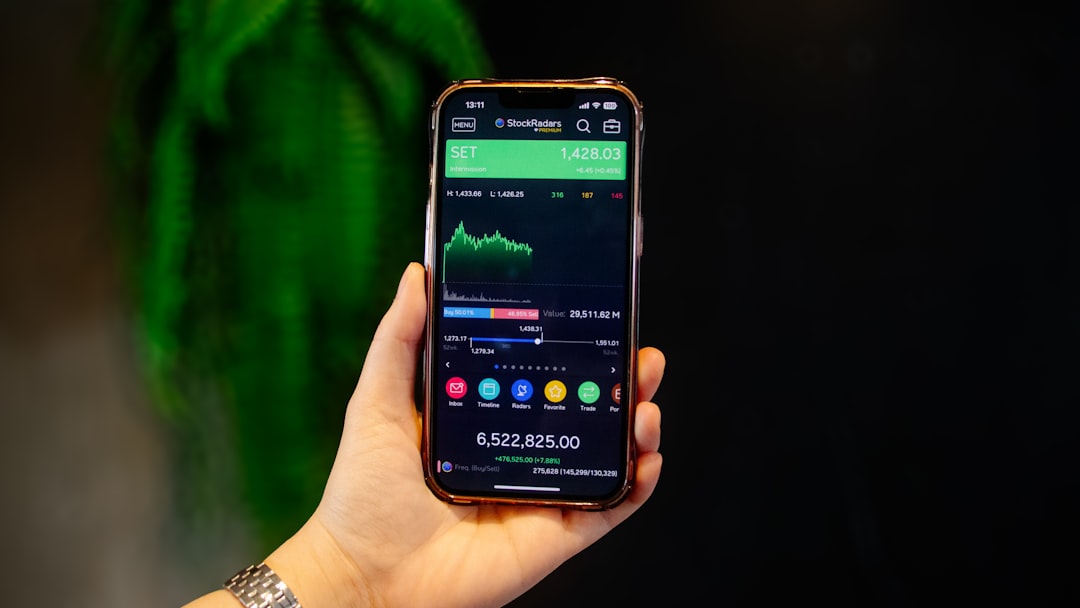
What Is the Pattern Day Trader (PDT) Rule?
The Pattern Day Trader rule is enforced by the Financial Industry Regulatory Authority (FINRA). The rule states that if a trader executes four or more day trades within five business days in a margin account—and those trades represent more than 6% of total trades in that period—the account is classified as a Pattern Day Trader.
Once classified as a Pattern Day Trader:
- The account must maintain at least $25,000 in equity.
- If equity falls below $25,000, day trading will be restricted.
- The trader cannot execute additional day trades until the balance requirement is met.
This rule applies specifically to margin accounts. Robinhood instant accounts are considered margin accounts by default, even if margin is not actively used.
How the $25,000 Minimum Works
The $25,000 minimum must be maintained at all times to continue day trading without restriction. This total includes:
- Cash
- Stocks
- Options contracts (valued at market price)
If the account falls below this amount after being flagged as a Pattern Day Trader, Robinhood may issue a day trade minimum equity call. The trader typically has five business days to deposit funds and restore the balance.
If the call is not met:
- The account may be restricted to closing trades only.
- Day trading buying power can be reduced.
- Further restrictions can apply for 90 days.
Cash Accounts vs. Margin Accounts
Some traders attempt to avoid PDT restrictions by switching to a cash account. In a cash account:
- The PDT rule does not apply.
- Traders can execute unlimited day trades.
- However, trades are limited by settled funds.
The downside is that funds from a sale must settle before being reused, which typically takes one business day for stocks (T+1 settlement as per current standards). This can limit trading flexibility.
Choosing between margin and cash accounts depends on trading frequency, capital availability, and strategy style.

How Robinhood Counts Day Trades
Understanding how day trades are counted can prevent accidental PDT classification.
Here are some key points:
- Buying multiple times and selling once in the same day counts as one day trade.
- Selling multiple times after one purchase in the same day still counts as one day trade.
- Buying, selling, then buying and selling again the same security in one day counts as two day trades.
Robinhood typically shows a tracker in the app that warns users when they are approaching the PDT threshold.
Strategies to Avoid PDT Restrictions
While the PDT rule can seem restrictive, disciplined planning can help traders operate within the limits.
1. Limit Trade Frequency
Keeping day trades under four in a five-day rolling period avoids the PDT label. Traders may reserve day trades for only their highest-conviction setups.
2. Swing Trading
Instead of closing trades the same day, some traders hold positions overnight. Swing trading can capture short-term moves without triggering day trade rules.
3. Use a Cash Account
Switching to a cash account removes the PDT limitation but introduces settlement waiting periods. This can still be viable for structured strategies.
4. Maintain a Capital Buffer
Traders who actively day trade often maintain equity slightly above $25,000 (e.g., $27,000–$30,000) to avoid accidental violations due to market fluctuations.
Risk Management Tips for Robinhood Day Traders
Day trading carries significant risk. Successful traders treat it as a disciplined business rather than impulsive speculation.
Set Stop Loss Orders
Using stop losses can limit downside risk. Predetermining acceptable loss levels prevents emotional decision-making during volatility.
Limit Position Size
Many experienced traders risk only 1–2% of their account per trade. Position sizing protects capital during losing streaks.
Avoid Overtrading
Frequent, low-quality trades often lead to losses and unnecessary PDT triggers. Patience and selectivity are key.
Understand Volatility
Stocks with high volatility can produce rapid gains but also substantial losses. Monitoring average true range (ATR) or daily price range helps gauge realistic expectations.

Robinhood Gold and Extended Buying Power
Robinhood Gold provides access to margin investing beyond the standard instant account features. While margin can increase buying power, it also amplifies risk.
Important considerations include:
- Margin interest charges on borrowed funds.
- Potential margin calls if positions decline significantly.
- Increased volatility impact on leveraged positions.
Using margin while under PDT rules requires careful capital monitoring. Losses can quickly push equity below $25,000.
Common Mistakes New Day Traders Make
- Ignoring the PDT tracker: Failing to monitor remaining day trades can trigger restrictions unexpectedly.
- Trading without a plan: Entering positions based on hype or social media commentary often leads to losses.
- Chasing breakouts late: Buying after large price spikes increases reversal risk.
- Neglecting tax implications: Day trading profits are typically taxed as short-term capital gains.
Education, planning, and a written trading strategy substantially increase the probability of long-term success.
Is Day Trading on Robinhood Worth It?
Robinhood offers simplicity and zero-commission trading, which lowers entry barriers. However, the ease of use can also encourage impulsive behavior. The reality is that most new day traders experience losses before reaching consistent profitability.
A disciplined trader who understands technical analysis, market psychology, and regulatory rules may find the platform sufficient for active trading. Others may eventually require more advanced charting tools available on professional trading platforms.
Ultimately, success depends less on the platform and more on risk management, emotional control, and strategy consistency.
Frequently Asked Questions (FAQ)
1. What happens if I accidentally make four day trades on Robinhood?
If the trades occur within five business days in a margin account, your account may be flagged as a Pattern Day Trader. If your equity is below $25,000, you may face temporary trading restrictions.
2. Can I day trade with less than $25,000?
Yes, but only up to three day trades in a rolling five-business-day period in a margin account. Alternatively, you can use a cash account without PDT restrictions, but you must wait for funds to settle.
3. Does cryptocurrency trading count toward PDT rules?
No. Cryptocurrency trades on Robinhood are not subject to the Pattern Day Trader rule because they are not regulated under the same securities framework.
4. How do I check how many day trades I have left?
Robinhood typically provides a day trade counter within the app, showing how many day trades remain in your current five-day window.
5. Can I remove the PDT flag from my account?
In some cases, Robinhood may allow a one-time PDT flag removal if it was placed by mistake. Otherwise, maintaining $25,000 in equity is required to continue day trading freely.
6. Is switching to a cash account better for beginners?
For some beginners, a cash account enforces discipline because trades are limited to settled funds. However, it reduces flexibility compared to a margin account.
Final Thought: Robinhood makes day trading accessible, but accessibility does not eliminate risk or regulatory obligations. Understanding the PDT rule, maintaining adequate capital, and applying strict risk management principles are essential steps for anyone serious about short-term trading success.