
By 2026, AI interior design is expected to move far beyond quick room mockups and novelty image generation. The tools most likely to dominate will be those that combine photorealistic visualization, space planning, product sourcing, budget awareness, and professional workflow integration. Instead of replacing designers, the strongest platforms will help homeowners, decorators, architects, real estate marketers, and retailers make faster and more confident design decisions.
TLDR: The AI interior design tools expected to dominate in 2026 will be platforms that connect creative inspiration with practical execution. Visual generators will remain popular, but the most valuable tools will include accurate room scanning, furniture placement, shopping links, cost estimates, and collaboration features. Professional-grade platforms, retail-connected apps, and AI-enhanced 3D planning tools are likely to lead the market rather than simple image-only apps.
The AI Interior Design Market Is Shifting Toward Practicality
Early AI interior design tools were mainly used to create impressive before-and-after images. A user could upload a photo of a living room, choose a style such as Scandinavian, Japandi, industrial, or modern luxury, and receive a redesigned image within seconds. That capability made AI feel magical, but it also exposed a key limitation: many generated designs were not physically accurate, purchasable, or easy to implement.
By 2026, the winners will likely be tools that solve real-world problems. Designers and clients will not only ask, “Does this look beautiful?” They will also ask, “Will the sofa fit?” “Can the lighting be installed?” “Where can the furniture be purchased?” “Does the design match the budget?” and “Can contractors work from this plan?” The platforms that answer those questions will have a major advantage.

1. AI Room Redesign Platforms Will Remain Highly Popular
AI room redesign platforms are expected to remain among the most visible tools in 2026 because they are simple, fast, and easy for non-professionals to understand. Tools in this category typically allow a person to upload a room photo and instantly generate new versions in different styles.
Platforms such as Interior AI, RoomGPT, REimagineHome, and similar image-based design apps have helped introduce the public to AI interiors. Their strength lies in speed and accessibility. In 2026, however, image-only tools will need to become more accurate and actionable to stay competitive.
The leading room redesign tools will likely include:
- Better room structure detection, including walls, floors, ceilings, windows, and doors.
- Editable design layers so individual furniture items, colors, and surfaces can be changed.
- Style consistency across multiple rooms in the same home.
- Shopping recommendations based on real furniture and decor catalogs.
- Budget filters for affordable, mid-range, and luxury design options.
These tools will dominate among homeowners, renters, real estate agents, and content creators who need quick visual ideas. Their challenge will be proving that the designs are not just attractive but also realistic.
2. 3D Space Planning Tools Will Become More Intelligent
While image-generation tools are exciting, 3D planning platforms may become even more important in 2026. Interior design depends heavily on scale, circulation, ergonomics, and layout. A beautiful AI image is not enough if a dining chair blocks a walkway or a bed cannot fit between two windows.
Tools such as Planner 5D, Homestyler, Coohom, Foyr Neo, and RoomSketcher are well positioned because they already combine floor planning, 3D visualization, and design customization. As AI features improve, these platforms may automatically suggest furniture layouts, lighting placement, color palettes, and material combinations based on room dimensions and user preferences.
By 2026, leading 3D space planning tools may offer features such as:
- AI-generated floor plans from photos, scans, or rough sketches.
- Automatic furniture arrangement for comfort, traffic flow, and function.
- Instant 3D walkthroughs with realistic lighting and shadows.
- Design rule checks for spacing, accessibility, and proportions.
- Collaborative editing for designers, clients, builders, and vendors.
These platforms are likely to dominate among serious DIY renovators, interior decorators, staging professionals, and small design studios. Their biggest advantage is that they can bridge the gap between inspiration and execution.
3. Professional Design Software Will Integrate AI Deeply
In 2026, many professional designers may not rely on stand-alone AI design apps. Instead, they may use AI inside the software they already know. This means established platforms such as SketchUp, Autodesk tools, Chief Architect, Vectorworks, and other CAD or BIM-based systems could become major forces in AI-powered interiors.
Professional users need more than decorative suggestions. They need accuracy, documentation, version control, material schedules, construction details, lighting studies, and client approvals. AI will likely assist with repetitive and technical tasks, allowing designers to spend more time on concept development and client communication.
Image not found in postmetaAI features in professional platforms may include:
- Automated drafting from sketches or measurements.
- Material and finish recommendations based on performance, cost, and style.
- Code-aware suggestions for commercial and residential interiors.
- Lighting simulations that account for daylight, fixtures, and room function.
- Client presentation generation with mood boards, renderings, and specification sheets.
The professional market will likely value reliability over novelty. A tool that produces technically usable information will dominate more sustainably than one that only creates beautiful concept art.
4. Retail-Connected AI Design Tools Will Gain Power
One of the strongest trends for 2026 will be the rise of AI design tools connected directly to furniture and home decor retailers. These platforms will not simply generate a fantasy room; they will recommend real sofas, rugs, lamps, tables, paint colors, tiles, and accessories that can be purchased.
This retail connection gives AI interior design a powerful commercial role. A shopper may upload a photo of a room, receive a redesigned concept, and then view a list of products needed to recreate the look. Retailers benefit because AI reduces uncertainty and helps customers visualize purchases in context.
Dominant retail-connected tools will likely have:
- Real-time inventory awareness so recommendations are actually available.
- Price-sensitive alternatives for similar looks at different budgets.
- Augmented reality previews for furniture and decor placement.
- Style matching between existing items and new purchases.
- Return-reduction features that improve confidence before checkout.
Large furniture retailers, home improvement brands, and marketplace platforms are expected to invest heavily in these capabilities. By 2026, the most successful AI interior design experiences may be embedded directly into shopping journeys.
5. Generative Image Tools Will Still Influence Interior Design
General-purpose generative AI tools will continue to influence interiors, especially during the concept phase. Platforms such as Midjourney, Adobe Firefly, DALL·E, and other image-generation systems can create striking mood concepts, unusual material combinations, and highly stylized room scenes.
These tools are unlikely to dominate practical interior design on their own because they may not understand measurements, budgets, product availability, or construction limitations. However, they will remain extremely useful for visual exploration. Designers may use them to test creative directions before translating the best ideas into professional planning software.
In 2026, these tools may be most useful for:
- Creating early mood boards and visual concepts.
- Exploring luxury, futuristic, or niche aesthetics.
- Generating client presentation imagery.
- Testing color palettes and material combinations.
- Producing marketing visuals for design studios and real estate listings.
Their influence will remain significant, but their dominance will depend on how well they connect with measurable, editable, and purchasable design workflows.
6. AR and Room Scanning Will Separate Leaders From Followers
Accurate room capture will be a major competitive advantage by 2026. Smartphones and tablets increasingly support depth sensing, LiDAR, improved camera processing, and spatial computing experiences. AI interior design tools that can scan a space accurately will deliver better layouts, measurements, and product recommendations.
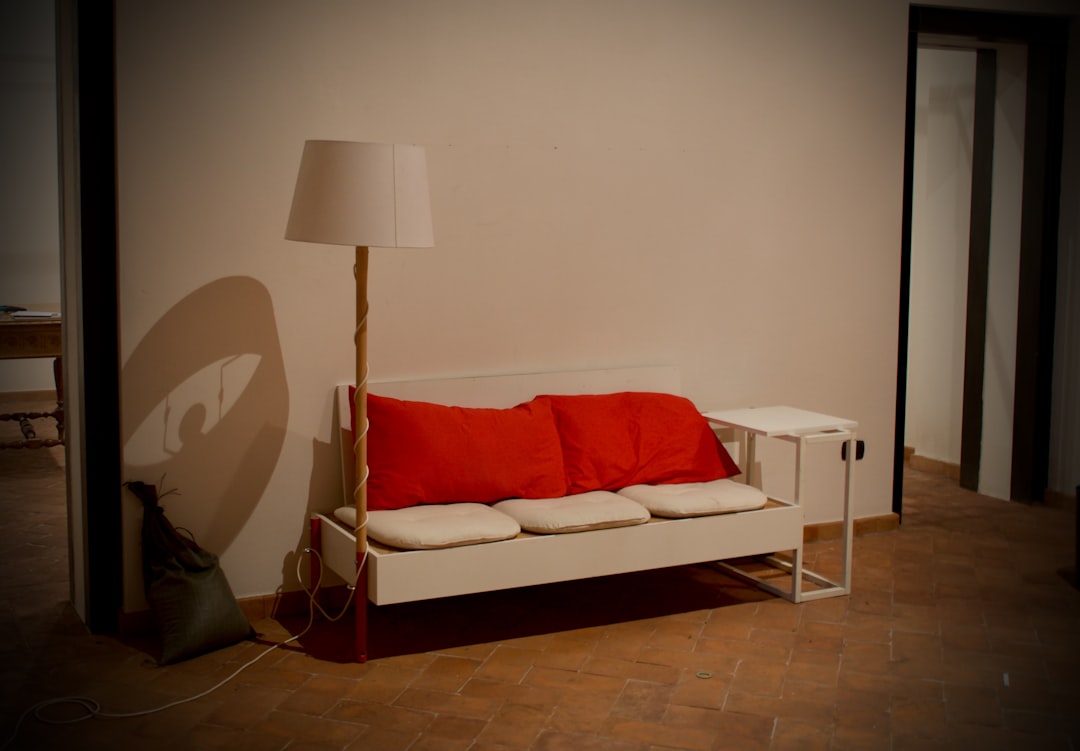
Augmented reality will also become more important. Instead of viewing a generated design as a flat image, users will expect to see furniture at true scale inside the room. This is especially important for large purchases such as sofas, beds, dining tables, wardrobes, and kitchen islands.
The strongest tools will combine AI creativity with spatial accuracy. They will understand the difference between a visual suggestion and a buildable layout. This combination may define the next generation of interior design technology.
7. Sustainability and Personalization Will Shape the Winners
By 2026, sustainability will likely become a more visible feature in AI interior design tools. Many homeowners and businesses are becoming more interested in durable materials, low-VOC finishes, energy-efficient lighting, vintage furniture, and responsible sourcing. AI platforms that recommend greener alternatives may stand out.
Personalization will also matter. The best tools will learn from a user’s lifestyle, not just preferred aesthetics. A family with children may need stain-resistant fabrics and safer layouts. A remote worker may need better lighting, acoustic comfort, and storage. A rental property owner may prioritize durability and broad appeal. A luxury client may value custom materials and artisan pieces.
In 2026, dominant tools will likely personalize designs based on:
- Lifestyle, including pets, children, hobbies, and work habits.
- Climate, including humidity, sunlight, and seasonal needs.
- Maintenance level, from low-care finishes to premium materials.
- Health and wellness, including air quality, lighting, and ergonomics.
- Environmental impact, including reuse, durability, and energy efficiency.
Which Tools Are Most Likely to Dominate?
No single AI interior design tool is likely to own the entire market in 2026. Instead, dominance will be divided by use case. Image-first apps will dominate quick inspiration. 3D planning tools will dominate practical room layouts. Professional platforms will dominate technical design. Retail-connected apps will dominate product-driven design and shopping.
The likely leaders will be tools that combine several capabilities into one smooth workflow. A platform that can scan a room, suggest a layout, generate a style concept, recommend real products, produce a budget, and allow collaboration will be far more powerful than a tool that only creates attractive images.
The most dominant AI interior design tools in 2026 will not simply be the most creative. They will be the most useful. The market will reward platforms that understand both beauty and practicality, because interior design is never only about appearance. It is also about comfort, budget, space, lifestyle, and execution.
Conclusion
AI interior design in 2026 will be more mature, competitive, and practical than it is today. The most successful tools will help people move from inspiration to implementation with fewer mistakes and faster decisions. Room redesign apps, 3D planners, professional software, retail-connected platforms, and generative image systems will all play important roles.
However, the true winners will be the platforms that connect imagination with real-world constraints. They will make rooms easier to plan, easier to visualize, easier to shop for, and easier to build. For designers and consumers alike, the dominant AI interior design tools of 2026 will be those that make good design more accessible, accurate, and actionable.
FAQ
What type of AI interior design tool will be most popular in 2026?
The most popular tools will likely be those that combine room visualization, 3D planning, product recommendations, and budgeting. Simple image generators will remain popular, but practical all-in-one platforms are expected to gain the most influence.
Will AI replace interior designers by 2026?
AI is unlikely to fully replace interior designers. Instead, it will assist with visualization, layout testing, sourcing, documentation, and client presentations. Human designers will still be needed for taste, strategy, problem-solving, project management, and emotional understanding.
Are AI interior design tools accurate enough for renovations?
Some tools are becoming more accurate, especially those with 3D planning, room scanning, and measurement features. However, major renovations will still require professional verification, especially for structural, electrical, plumbing, or code-related work.
Which features will matter most in 2026?
The most important features will include accurate room scanning, editable 3D layouts, realistic rendering, real product sourcing, budget controls, collaboration tools, and sustainability recommendations.
Will free AI interior design tools still be useful?
Free tools will remain useful for inspiration and early ideas. However, paid or professional platforms will usually offer better accuracy, higher-quality renderings, advanced editing, commercial use rights, and more reliable project workflows.
How should a person choose an AI interior design tool?
The best choice depends on the goal. For quick inspiration, an image-based redesign tool may be enough. For furniture layout, a 3D planner is better. For professional projects, software with drafting, documentation, and collaboration features will be more suitable.