
Launching a website used to mean hiring a developer, waiting through multiple design rounds, and budgeting for technical maintenance before a single visitor arrived. Today, no-code website builders have changed that timeline dramatically. Whether you are starting a business, creating a portfolio, opening an online store, or promoting an event, these platforms help turn an idea into a live website in hours or days instead of weeks.
TLDR: No-code website builders make it faster and easier to publish professional websites without writing code. They offer templates, drag-and-drop editing, hosting, design tools, ecommerce features, and integrations in one place. The best choice depends on your goals: speed, customization, online selling, content publishing, or long-term scalability.
Why No-Code Website Builders Are So Popular
The appeal of no-code platforms is simple: they remove the technical barrier between having an idea and putting it online. Instead of learning HTML, CSS, JavaScript, hosting setup, security certificates, and responsive design, users can focus on content, branding, and customer experience.
Most modern builders include everything needed to launch:
- Pre-designed templates for different industries and website types
- Drag-and-drop editors for arranging text, images, buttons, and sections
- Mobile responsive layouts that adapt to phones and tablets
- Built-in hosting so there is no separate server setup
- SEO settings for page titles, descriptions, URLs, and image alt text
- Integrations with email marketing, analytics, payments, calendars, and forms
This combination is especially valuable for small businesses and solo creators. Instead of coordinating several vendors, you can start with a template, customize the design, add your content, connect a domain, and publish from a single dashboard.
Speed Does Not Have to Mean Generic
One common misconception is that a fast website must look basic or identical to thousands of others. While that may have been true in the early days of website builders, today’s platforms provide stronger design flexibility. Many offer custom fonts, color systems, animations, reusable sections, layout controls, and media-rich components.
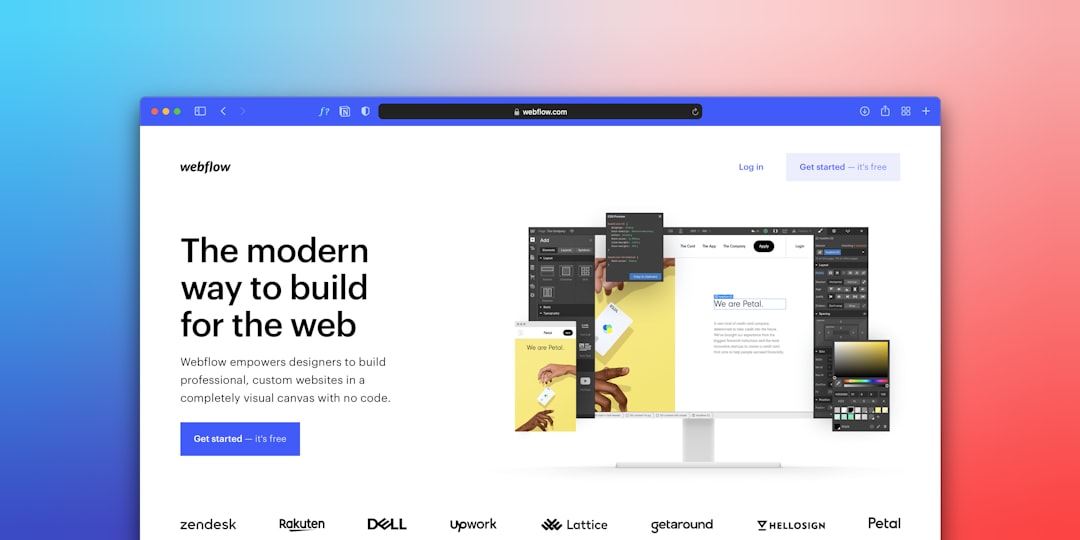
The key is to choose a builder that matches your comfort level. Some tools emphasize simplicity, giving you guided layouts and limited design decisions. Others offer more advanced visual control, allowing pixel-level customization without requiring code. Neither approach is automatically better; the right one depends on how much time you want to spend designing versus publishing.
If your goal is to go live quickly, avoid over-customizing every detail. Start with a clean template, adjust the brand colors, replace placeholder images, write clear copy, and make sure the call-to-action is easy to find. A polished, simple website that is live today is often more useful than a perfect website that remains unfinished for months.
What to Look for in a No-Code Builder
Before choosing a platform, consider what your website needs to do beyond looking attractive. A restaurant, consultant, online store, blogger, and nonprofit all have different priorities. The best website builder is the one that supports your immediate launch and your next stage of growth.
Important features to evaluate include:
- Ease of editing: Can you update pages without watching hours of tutorials?
- Template quality: Are the designs modern, accessible, and relevant to your industry?
- Performance: Do pages load quickly on mobile connections?
- SEO tools: Can you control metadata, headings, URLs, redirects, and indexing?
- Ecommerce options: If you sell products, are inventory, shipping, tax, and payment tools included?
- Blogging and content management: Can you publish articles, case studies, or updates easily?
- Integrations: Does it connect with the tools you already use?
- Pricing: Are essential features locked behind higher plans?
It is also wise to test the editor before committing. Many platforms offer free trials or free plans, giving you a chance to see whether the workflow feels natural. A builder may have excellent features, but if editing your homepage feels frustrating, it may slow you down later.
Best Use Cases for No-Code Builders
No-code builders are particularly effective for websites that need to be launched quickly and updated often. A local business can publish service pages, contact information, reviews, and booking links. A freelancer can showcase projects and collect leads. A startup can create a landing page to validate demand before investing in a custom build.
They are also useful for temporary or campaign-based websites. If you are promoting a product launch, conference, course, fundraiser, or seasonal sale, a no-code builder lets you create a focused site without involving a full development team.

For ecommerce, no-code platforms can help sellers move from idea to checkout quickly. Many include product pages, carts, secure payments, discount codes, abandoned cart emails, and basic analytics. While large or highly complex stores may eventually need custom development, many businesses can operate successfully for years using no-code commerce features.
How to Launch Faster Without Sacrificing Quality
Going live faster does not mean skipping strategy. In fact, a little planning can prevent delays and revisions. Before opening the builder, outline the essential pages your website needs. For most small sites, this includes a homepage, about page, services or products page, contact page, and perhaps a blog or FAQ.
Next, gather your content in advance. Write your main headline, short descriptions, customer benefits, pricing details, testimonials, and calls-to-action. Choose your images and make sure they are properly sized. When content is ready before design begins, the building process becomes much smoother.
Use this simple launch checklist:
- Pick one primary goal for the site, such as bookings, purchases, inquiries, or newsletter signups.
- Select a template that already fits your structure instead of forcing a design to work.
- Customize branding with consistent colors, fonts, and imagery.
- Write concise page copy that explains what you offer and why it matters.
- Test on mobile to confirm buttons, menus, and forms are easy to use.
- Set up SEO basics including page titles, meta descriptions, and readable URLs.
- Connect analytics so you can track visits and improvements after launch.
This approach keeps momentum high while still producing a professional outcome. Remember, your first version does not need to include every feature you can imagine. Launch the essentials, learn from real visitors, and improve from there.
The Limits of No-Code
No-code builders are powerful, but they are not perfect for every situation. If you need highly specialized functionality, complex databases, advanced user permissions, unusual performance requirements, or deeply customized workflows, you may eventually need developers. Some platforms can also make it difficult to migrate your site elsewhere, so it is worth understanding export options and long-term costs.
That said, many websites do not require custom engineering at the beginning. For entrepreneurs, creators, and small teams, the ability to launch quickly can be more valuable than having complete technical control. A live website can generate leads, test messaging, attract customers, and create momentum while a more advanced solution remains optional for the future.

Final Thoughts
No-code website builders have made the web more accessible, practical, and fast-moving. They allow people with ideas to publish, sell, promote, and grow without waiting for technical resources. The best results come from choosing a platform that fits your goals, starting with a strong template, focusing on clear content, and improving the site after launch.
If speed matters, no-code tools are not just a shortcut; they are a smart way to validate ideas and build a professional online presence with less friction. In a digital world where timing often matters as much as polish, the ability to go live faster can be a serious advantage.