
German SEO headlines have a special challenge: they must satisfy search intent, fit the nuances of the German language, and still feel compelling enough to earn the click. A title that works in English often sounds awkward when translated directly into German, especially because German users tend to respond well to clarity, specificity, and trust signals. The best headlines combine keyword relevance with natural wording, emotional precision, and a clear promise.
TLDR: For German SEO titles, put the main keyword early, keep the wording natural, and make the benefit immediately clear. For example, „Laufschuhe für Anfänger: 7 Modelle für mehr Komfort“ is stronger than „Die besten Schuhe zum Laufen kaufen“ because it matches intent and sounds human. In one typical content audit scenario, rewriting 40 German title tags with clearer benefits and better keyword placement could improve organic CTR by 12–25% within a few months, depending on rankings and industry. The goal is not just to rank, but to make users think: “This is exactly what I need.”
Why German SEO Headlines Need Their Own Strategy
German search behavior has its own rhythm. Users often enter precise, compound keywords such as „Krankenversicherung Vergleich Selbstständige“ or „beste Kaffeemaschine mit Mahlwerk“. These searches reveal strong intent, but they also create long titles that can become bulky if handled poorly.
A good German SEO headline must balance three elements: keyword alignment, readability, and click motivation. If the title is too keyword-heavy, it looks robotic. If it is too creative, it may miss the search intent. If it is too vague, users will scroll past it.
Place the Main Keyword Early, But Keep It Natural
As in many markets, German SEO titles usually perform better when the primary keyword appears near the beginning. This helps search engines and users quickly understand the page topic. However, German grammar can make exact keyword placement tricky.
For example, the keyword „Steuerberater München“ may be valuable, but a title like „Steuerberater München finden: Tipps für Unternehmen“ sounds more natural than „Steuerberater München Unternehmen Tipps finden“. The first version is readable, professional, and still keyword-focused.
- Weak: „Beste Tipps Steuerberater München Kosten Unternehmen“
- Better: „Steuerberater in München: Kosten, Leistungen und Tipps“
- Strong: „Steuerberater in München finden: Kosten und Auswahlkriterien“
The strongest version addresses a clear need: finding the right provider. It also includes supporting terms such as „Kosten“ and „Auswahlkriterien“, which can help match broader search intent.
Use German Compound Words Carefully
German is famous for compound nouns, and SEO titles often need them. Words like „Content Marketing Strategie“, „Baufinanzierungsrechner“, or „Datenschutzerklärung Vorlage“ can be powerful search terms. But too many compounds in one title can reduce readability.
Instead of stacking nouns, create a sentence-like structure. Compare these two titles:
- Hard to read: „Baufinanzierungsrechner Vergleich Zinsen Kosten 2026“
- Better: „Baufinanzierungsrechner 2026: Zinsen und Kosten vergleichen“
The second title still contains the key terms, but it feels like a useful result rather than a keyword list. This matters because German users tend to expect reliability and precision, especially for finance, legal, health, and B2B topics.
Mind Title Length and Pixel Width
German words are often longer than English words, so character limits can be misleading. A title with 55 characters may still be too wide for Google’s results page if it contains many broad letters or long nouns. As a practical rule, aim for 50–60 characters when possible, but always preview important titles in a SERP simulator.
Long titles are not automatically bad, but if the most persuasive part gets cut off, performance may suffer. Put the core value early. For instance:
- Risky: „Die besten Projektmanagement Tools für Agenturen im großen Vergleich“
- Improved: „Projektmanagement Tools für Agenturen: Vergleich 2026“
The improved title front-loads the keyword and makes the format clear. The year adds freshness, which can increase relevance for comparison-based searches.
Match Search Intent Before Adding Persuasion
Conversion-focused headlines should never ignore intent. A user searching „Was ist eine GmbH?“ wants an explanation, not a sales pitch. A user searching „GmbH gründen Kosten“ may be closer to taking action. Your headline should reflect that difference.
Common German search intents include:
- Informational: „Was ist Local SEO?“
- Commercial: „beste CRM Software für kleine Unternehmen“
- Transactional: „Buchhaltungssoftware kaufen“
- Local: „Zahnarzt Berlin Prenzlauer Berg“
For informational content, words like „Anleitung“, „Definition“, „Beispiele“, and „Checkliste“ can work well. For commercial pages, consider „Vergleich“, „Kosten“, „Testsieger“, or „Erfahrungen“, but only when the page genuinely delivers that content.
Write for Trust, Not Just Curiosity
Clickbait is risky in German SEO. Exaggerated headlines like „Dieser Trick verändert alles!“ may attract attention, but they can reduce trust, especially in professional niches. German audiences often appreciate directness, evidence, and practical value.
That does not mean headlines should be boring. You can create interest by being specific:
- Generic: „SEO Tipps für bessere Rankings“
- Specific: „SEO Tipps für Online Shops: 9 Maßnahmen mit schneller Wirkung“
The second version identifies the audience, promises a concrete number of measures, and suggests a benefit. It feels more actionable without becoming sensational.
Use Numbers, Years, and Brackets Strategically
Numbers often improve scanability in search results. German users can quickly understand what they will get: „7 Tipps“, „10 Beispiele“, or „5 Fehler“. Years can also help when freshness matters, such as software comparisons, legal updates, or market trends.
Brackets can add useful context, though they should not be overused. Examples include:
- „E Mail Marketing: 12 Tipps für mehr Öffnungen [Checkliste]“
- „LinkedIn Profil optimieren: Anleitung für Selbstständige“
- „Google Ads Kosten 2026: Was Unternehmen einplanen sollten“
Notice that the titles stay clear and benefit-oriented. The number or year supports the promise instead of distracting from it.
Avoid Common Translation Mistakes
Many weak German SEO titles come from direct English translations. Phrases like „ultimativer Guide“ can work in some industries, but they may sound overused or unnatural if every article uses them. Similarly, „wie man“ is grammatically correct, but „So erstellen Sie…“ or „So gelingt…“ often sounds more idiomatic.
Compare:
- Translated: „Wie man eine Content Strategie erstellt“
- More natural: „Content Strategie erstellen: Schritt für Schritt erklärt“
The improved version is compact, keyword-friendly, and familiar to German readers.
Test Headlines With Real Data
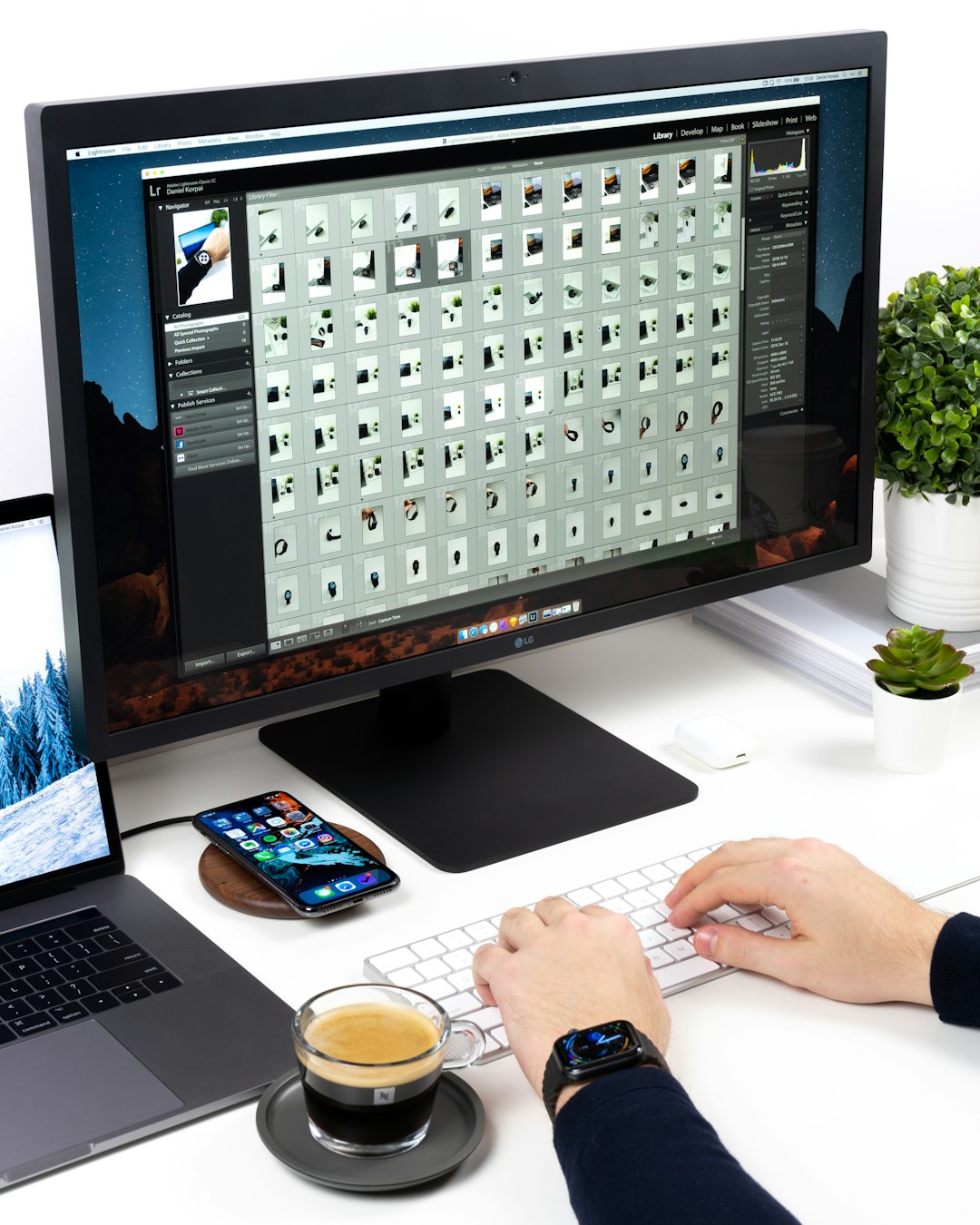
SEO headline writing improves when it is measured. Track impressions, average position, CTR, bounce behavior, and conversions. If a page ranks in positions 3–8 but has a low CTR, the title may not be attractive enough. If CTR is strong but engagement is poor, the headline may be promising something the page does not deliver.
A practical testing process looks like this:
- Identify pages with high impressions and below-average CTR.
- Rewrite titles to better match intent and clarify the benefit.
- Keep the URL and content stable if possible, so results are easier to compare.
- Review performance after 3–6 weeks, depending on traffic volume.
Final Thoughts
The best German SEO headlines are not simply stuffed with keywords. They are precise, readable, and trustworthy. They respect German grammar, use compounds intelligently, and make the page value clear within seconds.
If you want titles that rank and convert, start with search intent, place the main keyword naturally, and then add a concrete reason to click. In German SEO, clarity is often the most persuasive strategy of all.