
Sunwave EMR is a specialized electronic medical records platform built primarily for behavioral health, substance use disorder treatment, and mental health organizations. Unlike general-purpose EHR systems, it focuses on the operational realities of treatment centers: admissions, clinical documentation, billing coordination, compliance, utilization review, and patient engagement. This review evaluates Sunwave EMR’s features, pricing approach, strengths, limitations, and leading alternatives so decision-makers can assess whether it fits their clinical and business needs.
TLDR: Sunwave EMR is best suited for behavioral health and addiction treatment providers that need an integrated platform for clinical workflows, CRM, billing, and compliance. Pricing is typically quote-based, so organizations should request a tailored proposal and compare implementation, training, and support costs. For example, a 50-bed treatment center handling 300 monthly admissions inquiries may benefit from combining lead tracking, documentation, and revenue cycle tools in one system. However, smaller therapy practices may find alternatives like TherapyNotes, SimplePractice, or Valant more cost-effective.
What Is Sunwave EMR?
Sunwave EMR is part of the broader Sunwave healthcare technology platform, commonly used by treatment centers, behavioral health programs, and addiction recovery providers. Its core purpose is to help organizations manage the full patient lifecycle, from first contact and intake to treatment planning, documentation, billing, outcomes tracking, and discharge.
The platform is particularly relevant for organizations that need both a clinical system and a business operations tool. Many behavioral health providers struggle with fragmented software: one system for referrals, another for documentation, another for billing, and spreadsheets for utilization review. Sunwave aims to reduce that fragmentation by bringing multiple workflows into one environment.
Key Features of Sunwave EMR
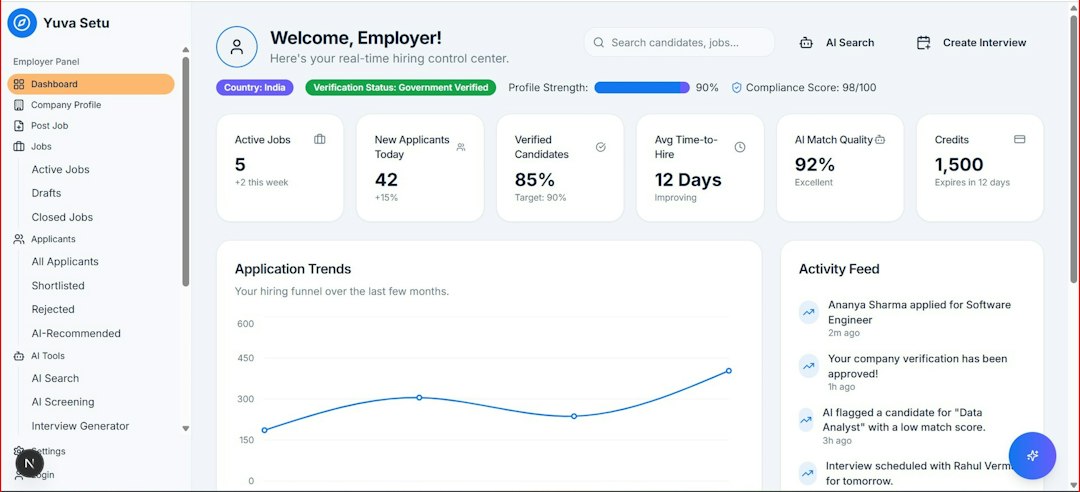
Sunwave EMR offers a broad set of features designed around behavioral health operations. While exact capabilities may vary depending on configuration and contract, the platform commonly includes the following areas:
- Clinical documentation: Providers can create progress notes, assessments, treatment plans, group notes, discharge summaries, and other required clinical records.
- Intake and admissions: Sunwave supports referral tracking, inquiry management, pre-admission workflows, insurance verification, and admission coordination.
- CRM functionality: The system includes tools for managing leads, referral sources, outreach activity, and admissions pipelines, which is valuable for treatment centers with active business development teams.
- Revenue cycle management: Billing-related workflows may include claims management, authorization tracking, utilization review support, and payment monitoring.
- Compliance tools: Behavioral health providers can use structured documentation templates and audit-support features to maintain consistency and reduce compliance risk.
- Patient engagement: Depending on setup, Sunwave may support patient communication, scheduling visibility, and digital forms.
- Reporting and analytics: Administrators can review operational metrics such as admissions conversion, census, billing performance, documentation completion, and referral trends.
One of Sunwave’s strongest advantages is its focus on the behavioral health continuum. For residential treatment centers, intensive outpatient programs, partial hospitalization programs, and substance use disorder facilities, this specialization can be more useful than a generic medical EHR.
User Experience and Workflow
Sunwave is designed for multi-role teams. Clinical staff use it for documentation, case managers may use it to follow treatment progress, admissions teams track inquiries, and billing teams monitor claims and authorizations. This shared visibility can reduce duplicated work and improve accountability across departments.
For example, if an admissions coordinator receives a referral, the same record can later support clinical intake, insurance verification, treatment planning, and billing. This can prevent data from being re-entered several times and may reduce administrative errors. In organizations with high inquiry volume, that workflow continuity can be a meaningful operational advantage.
However, broader platforms can require more onboarding. Practices looking for a simple note-taking and billing tool may find Sunwave more complex than needed. The system is most appropriate when an organization has enough operational complexity to justify a more comprehensive platform.
Pricing: How Much Does Sunwave EMR Cost?
Sunwave does not typically publish standardized pricing on its website. Like many enterprise healthcare software vendors, pricing is usually custom and quote-based. The final cost may depend on several factors:
- Number of users or staff members
- Number of locations or facilities
- Patient volume or census size
- Modules selected, such as CRM, EMR, billing, or analytics
- Implementation and data migration requirements
- Training, support, and customization needs
Prospective buyers should ask for a detailed proposal that separates recurring subscription fees from one-time implementation costs. It is also wise to clarify whether support, template customization, integrations, reporting setup, and staff training are included or billed separately.
For a fair evaluation, organizations should request a live demo using real-world workflows. A treatment center, for instance, might ask the vendor to demonstrate a complete path from inquiry to admission, treatment plan creation, group note completion, authorization tracking, claim submission, and discharge reporting.

Pros and Cons
Pros
- Behavioral health specialization: Sunwave is designed with treatment centers and behavioral health providers in mind.
- Integrated CRM and EMR: Combining admissions, referral management, and clinical records can improve visibility across teams.
- Operational reporting: Analytics can help leadership understand census trends, conversion rates, documentation gaps, and billing performance.
- Revenue cycle support: The platform may help organizations manage authorizations, claims, and billing workflows more effectively.
- Scalability: Sunwave can be suitable for multi-location or higher-volume providers that need standardized processes.
Cons
- No public pricing: Buyers must contact the company for a custom quote, making quick budget comparisons harder.
- Potential complexity: Smaller practices may not need the full range of features.
- Implementation effort: A comprehensive system can require planning, staff training, and workflow redesign.
- Vendor fit depends on specialty: General medical practices may be better served by broader EHR platforms.
Who Should Consider Sunwave EMR?
Sunwave EMR is a strong candidate for organizations that need more than basic electronic charting. It is especially relevant for:
- Substance use disorder treatment centers
- Residential behavioral health facilities
- Partial hospitalization programs
- Intensive outpatient programs
- Multi-location mental health organizations
- Providers that rely heavily on referral management and admissions tracking
A facility with separate admissions, clinical, utilization review, and billing teams may benefit from Sunwave’s connected workflows. On the other hand, an individual therapist or small counseling office may find the platform more robust than necessary.
Best Sunwave EMR Alternatives
Before selecting Sunwave, buyers should compare several alternatives based on specialty, budget, support needs, and workflow complexity.
- Kipu Health: A widely known EHR for addiction treatment and behavioral health organizations. It is often considered by providers needing strong treatment-center-specific documentation and operational tools.
- Netsmart: A large healthcare technology vendor serving behavioral health, human services, and post-acute care. It may be suitable for larger organizations with enterprise requirements.
- Valant: A behavioral health EHR focused on mental health practices, including documentation, scheduling, billing, and measurement-based care.
- TherapyNotes: A practical choice for small to midsize mental health practices that need scheduling, notes, billing, and a patient portal without enterprise complexity.
- SimplePractice: Popular among solo and small group practices for ease of use, telehealth, billing, documentation, and client communication.
- AdvancedMD: A broader medical practice platform with EHR, scheduling, billing, and reporting, suitable for organizations wanting a more general healthcare system.

Final Verdict
Sunwave EMR is a serious option for behavioral health and addiction treatment providers that need an integrated platform covering clinical, admissions, CRM, and revenue cycle workflows. Its greatest value lies in connecting teams that often operate in separate systems, helping organizations improve visibility from first inquiry through discharge and billing.
The main drawback is the lack of transparent public pricing, which means buyers must go through a sales and demo process to understand total cost. Decision-makers should evaluate Sunwave not only as an EMR, but as an operational platform. If your organization manages complex admissions pipelines, high patient volume, multiple programs, or detailed billing workflows, Sunwave may be worth strong consideration. If you need a simpler, lower-cost solution for private practice therapy, alternatives such as TherapyNotes, SimplePractice, or Valant may be a better fit.