
An IP Metropolitan Area Network, or IP MAN, is a city-scale network that connects offices, campuses, data centers, public services, and carrier sites using Internet Protocol. Think of it as a private or carrier-grade IP network that spans a metro area instead of a single building.
TLDR: An IP MAN links multiple sites across a city with high-speed IP connectivity, often using fiber, Ethernet, MPLS, or routed IP services. For example, a hospital group with 12 clinics across a 25-mile metro area might use an IP MAN to share patient records, voice traffic, imaging files, and backup data with 99.99% uptime. Compared with separate internet links at every branch, a managed MAN can cut latency by 30% to 60% and make security controls far easier to enforce. It is best for organizations that need reliable, private, citywide connectivity without building a full wide area network from scratch.
A Metropolitan Area Network sits between a LAN and a WAN. A LAN covers one building or campus. A WAN can span countries or continents. A MAN covers a city, town, industrial zone, or metro region. When that MAN is built around IP routing and packet delivery, it becomes an IP Metropolitan Area Network.
The goal is simple: connect many physical locations as if they were part of one coordinated network. A city government may connect police stations, libraries, traffic systems, and data centers. A university may connect dorms, research labs, sports venues, and satellite campuses. A bank may connect branches, ATMs, and local disaster recovery sites.

How an IP MAN Works
An IP MAN uses routers, switches, fiber links, and carrier transport systems to move packets between sites. The user does not usually see the physical complexity. They see a network path between Location A and Location B.
At each site, customer equipment connects to a provider edge device or a private aggregation switch. Traffic then enters the metro backbone. From there, it may cross fiber rings, Ethernet aggregation layers, MPLS cores, or routed IP paths before reaching the target site.
The architecture usually includes several layers:
- Access layer: Connects individual buildings, branches, towers, or campuses.
- Aggregation layer: Combines traffic from many access points into larger metro links.
- Core layer: Carries high-volume traffic across the city with redundant paths.
- Service layer: Adds VPNs, firewalls, quality of service, routing policies, and monitoring.
This layered design keeps the network organized. It also makes growth easier. Adding a new branch should not require redesigning the entire metro network. In real life, though, provisioning can still be annoying. Honestly, it feels wasteful when a simple circuit change takes 10 business days because three teams must approve a routing update.
Common MAN Architecture Models
There is no single MAN design. The right model depends on budget, distance, uptime needs, and who owns the infrastructure.
1. Fiber Ring Architecture
A fiber ring connects sites in a loop. If one fiber segment fails, traffic can travel the other way around the ring. This is common in carrier networks, city systems, and university networks.
Best for: high availability, predictable paths, and dense urban areas.
2. Hub and Spoke Architecture
Each remote site connects back to a central hub, such as a data center or main office. This is simple and often cheaper. The downside is obvious. If the hub has trouble, many sites feel it.
Best for: smaller branch networks, retail groups, and organizations with one main data center.
3. Partial Mesh Architecture
Important locations have direct links to each other, while smaller sites use shared paths. This balances cost and resilience. It is often used when a few sites handle most of the traffic.
Best for: hospitals, finance, public safety, and media networks.
4. MPLS or Carrier Ethernet MAN
Many providers build MAN services with MPLS, Carrier Ethernet, or EVPN. These technologies keep customer traffic separated and allow service guarantees. They also support quality of service, which matters for voice, video, and critical applications.
What Makes It “IP”?
The “IP” part means traffic is addressed, routed, and managed using Internet Protocol. That does not mean the network is the public internet. An IP MAN can be private, encrypted, segmented, and controlled by strict routing rules.
IP gives the network flexibility. It supports email, file sharing, cloud apps, voice over IP, video conferencing, surveillance feeds, IoT sensors, and backup traffic. It also works well with modern security controls such as firewalls, VPNs, zero trust gateways, and network access control.
In many designs, each site receives private IP address space. Routers exchange routes using protocols such as OSPF, BGP, or IS IS. Larger providers may use VRFs to keep customer networks separate on shared infrastructure.
Why Organizations Use IP MANs
An IP MAN is not only about speed. Speed helps, of course. But the bigger value is control.
- Lower latency: Citywide fiber routes can deliver very fast response times, often under 5 milliseconds between nearby sites.
- Better reliability: Redundant rings and dual paths keep traffic moving during fiber cuts or equipment failure.
- Centralized security: Traffic can pass through shared firewalls, inspection tools, and logging systems.
- Private connectivity: Sensitive data does not need to cross the open internet.
- Scalable capacity: Links can often grow from 1 Gbps to 10 Gbps or more without changing the whole design.
- Consistent service quality: Voice, video, and critical apps can receive priority treatment.
For example, a school district with 40 buildings might centralize internet access at one secure data center. Each school connects through the IP MAN. Web filtering, security logging, authentication, and cloud access all run through the same controlled path. That is much easier than managing 40 separate internet circuits with 40 different firewall policies.
IP MAN vs WAN vs Internet VPN
A WAN covers larger geography. It may connect cities, regions, or continents. A MAN focuses on a metro area. Because distances are shorter, a MAN can often offer better latency and higher bandwidth for the price.
An internet VPN is cheaper in many cases. It uses public internet access plus encryption. That can work well for small sites. The downside is performance variation. If a local ISP is congested at 3 p.m., your file transfer or video call suffers. Expect to waste time proving the problem is “the path” and not your app.
An IP MAN gives the organization or provider more control over routing, capacity, and service levels. That control is why hospitals, banks, carriers, universities, and local governments still pay for metro networks instead of relying only on broadband.
Security in a MAN Architecture
Security starts with segmentation. Different traffic types should not all sit in one flat network. Administrative systems, guest Wi Fi, cameras, payment systems, building controls, and backup traffic need separation.
Common security tools include:
- VRFs and VLANs to separate traffic groups.
- Firewalls at data centers, internet exits, or between departments.
- Encryption for sensitive links or regulated data.
- Access control lists on routers and switches.
- Monitoring for unusual traffic spikes, outages, and route changes.
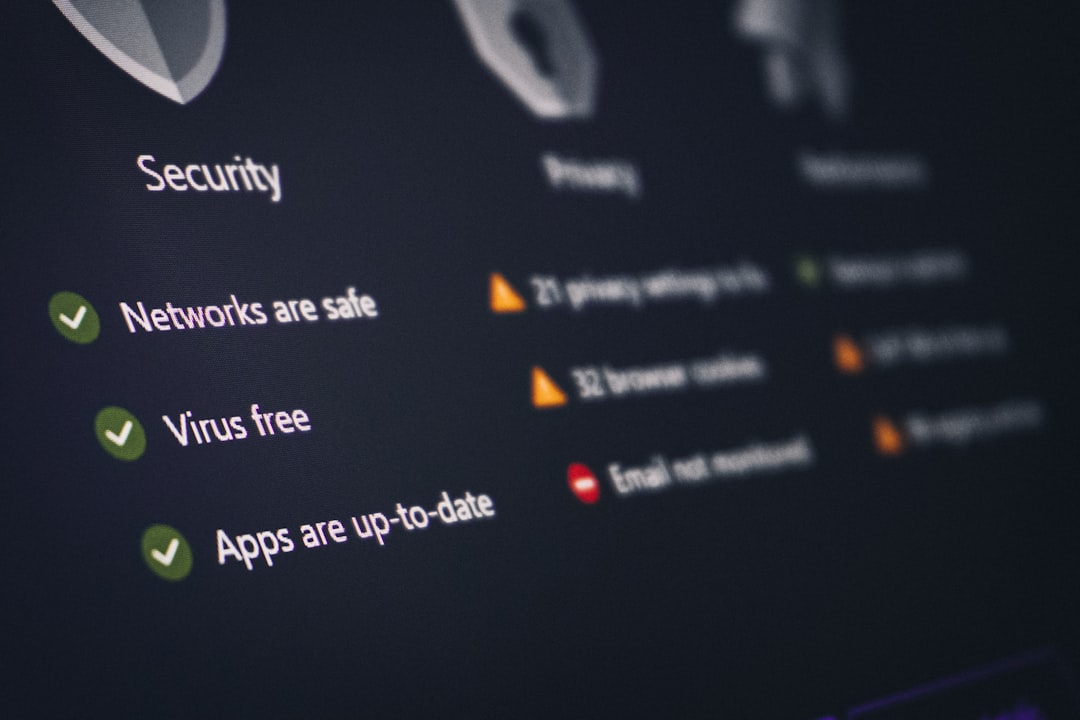
Good monitoring matters more than teams expect. A metro network may span dozens of cabinets, rooftops, basements, carrier meet me rooms, and street fiber paths. When something breaks, a clear fault map can save hours.
Real Use Case: City Healthcare Network
Picture a healthcare provider with one main hospital, two imaging centers, eight clinics, and a backup data center. Medical images are huge. A single MRI study can exceed 500 MB. Sending that over ordinary business broadband all day is painful.
With an IP MAN, each site gets a private 1 Gbps or 10 Gbps connection. Imaging files move to the hospital archive in seconds instead of minutes. Voice calls stay clear. Patient systems remain centralized. Backup jobs run overnight without crushing daytime traffic.
If the provider uses dual fiber paths, a single cable cut will not stop operations. Traffic shifts to another route. Staff may not even notice, which is exactly the point.
Key Design Questions
Before building or buying an IP MAN, teams should answer a few practical questions:
- How many sites need to connect now?
- How many sites will be added in three to five years?
- What applications need the lowest latency?
- Which sites need redundant links?
- Who manages routing, the provider or internal staff?
- What uptime target is required?
- What traffic must be encrypted or isolated?
Cost planning should include more than monthly circuit fees. Add router upgrades, optics, cross connects, rack space, monitoring tools, support contracts, and staff time. Those small items add up quickly.
The Bottom Line
An IP Metropolitan Area Network connects sites across a city through a managed, routed IP architecture. It gives organizations faster local traffic, stronger control, better uptime, and cleaner security design than scattered standalone connections.
For any organization with many citywide locations, an IP MAN can turn disconnected branches into one coordinated network. The best designs stay simple where possible, redundant where needed, and closely monitored at every layer.