
Pick Demandbase when ROI must be proven by account; pick HubSpot when ROI is mostly lead, contact, and channel based. That is the clean answer. ABM cares about which companies are warming up. Traditional marketing cares about which people clicked. That difference matters because 87% of marketers measuring ABM ROI say it outperforms other marketing investments [source: Momentum ITSMA].
TLDR: Demandbase is better for measuring ROI from named account campaigns, buying groups, intent signals, and pipeline lift. HubSpot is better for measuring ROI from emails, forms, ads, landing pages, and lead sources. Example: if a campaign targets 300 enterprise accounts and creates $1.2 million in pipeline from 42 engaged accounts, Demandbase tells that story faster. If the same campaign brings in 3,000 leads at $38 per lead, HubSpot makes that report easier.
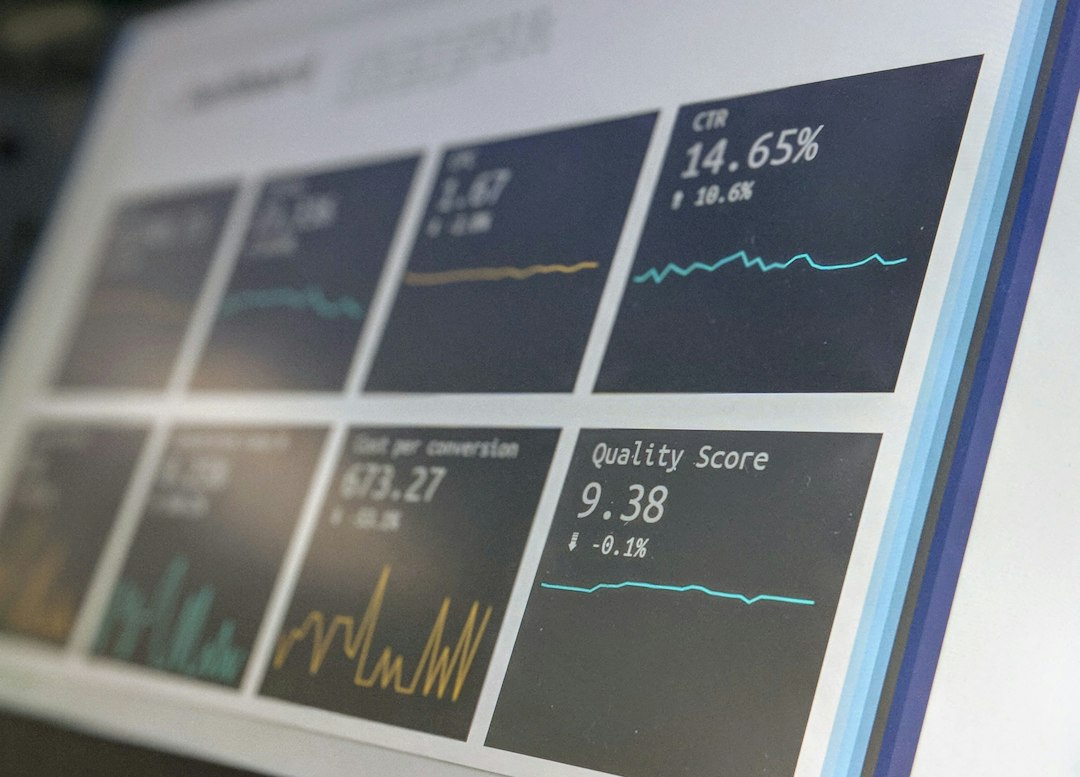
ABM KPIs and traditional metrics are not enemies
They just answer different questions.
Traditional marketing metrics ask: “Did people respond?”
ABM KPIs ask: “Did the right companies move closer to buying?”
That sounds simple. It is not always simple in the tools. Honestly, it feels like some dashboards were built by people who enjoy making marketers click 14 times to prove one obvious thing.
Still, the split is useful.
- Traditional metric: click through rate
- ABM KPI: target account engagement
- Traditional metric: cost per lead
- ABM KPI: pipeline created from target accounts
- Traditional metric: email opens
- ABM KPI: buying committee coverage
- Traditional metric: form fills
- ABM KPI: account stage progression
Both styles matter. But if you use the wrong scorecard, the campaign can look bad when it is actually working.
What ABM ROI really measures
ABM is not about getting the most leads. It is about getting the right accounts to take action.
So the KPIs shift.
- Target account engagement: Are named accounts visiting, clicking, reading, or attending?
- Account progression: Did accounts move from cold to aware, engaged, opportunity, or customer?
- Pipeline created: How much sales pipeline came from target accounts?
- Deal velocity: Did deals close faster after the campaign?
- Win rate: Did engaged accounts close at a higher rate?
- Average contract value: Did the campaign help land bigger deals?
- Buying group coverage: Are multiple people from the account involved?
Here is a simple ROI example.
A company spends $60,000 on an ABM campaign. It creates $450,000 in new pipeline. Sales closes $150,000 of that revenue. The ROI is:
($150,000 revenue – $60,000 cost) / $60,000 = 150% ROI
That is the kind of math ABM teams want. Not just “we got 822 clicks.” Lovely. But did the dream accounts care?
Where Demandbase shines
Demandbase is built for ABM measurement. It thinks in accounts first. That is its main strength.
It helps teams see which target accounts are showing intent, engaging with ads, visiting pages, and moving through the funnel. It is strong when marketing and sales both care about the same named account list.
Demandbase is useful for questions like:
- Which target accounts are heating up?
- Which accounts saw ads and later became opportunities?
- Which buying groups have enough engagement?
- Which accounts should sales call this week?
- How much pipeline came from tier 1 accounts?
Demandbase also pairs well with long B2B sales cycles. Think enterprise software, cybersecurity, cloud tools, manufacturing, fintech, or any sale with five meetings and one spreadsheet that never dies.
The catch is the setup. Demandbase needs clean account lists, CRM discipline, stages, firmographic data, and sales buy in. If your CRM is a junk drawer, Demandbase will expose every snack wrapper inside it.

Where HubSpot shines
HubSpot is great for traditional campaign ROI. It is easy to understand. That matters.
HubSpot is strong with forms, landing pages, emails, ads, workflows, lead scoring, contact source tracking, and CRM reporting. If your team runs inbound campaigns, webinars, newsletters, paid search, paid social, or content offers, HubSpot feels natural.
HubSpot answers questions like:
- Which campaign created the most contacts?
- What was the cost per lead?
- Which email drove meetings?
- Which landing page converted best?
- Which source created the most deals?
HubSpot also has ABM tools, including target accounts and company scoring [source: HubSpot]. They are handy. But for deep account level intent and ABM ad measurement, Demandbase tends to go further.
The annoying part? HubSpot can make multi touch ROI feel too neat. A contact downloads an ebook, joins a webinar, clicks an email, talks to sales, then closes six months later. HubSpot can report that. But the story may still depend on tracking rules and clean lifecycle stages.
ABM KPIs vs traditional metrics: the fun version
Imagine marketing is a party.
Traditional marketing counts everyone who walks in, grabs a snack, and signs the guest book.
ABM checks if the 50 people you actually invited showed up, talked to your sales team, and asked where to sign.
Both are useful. But they are not the same party.
If you report ABM with traditional metrics, your boss may ask why lead volume is low. That is like judging a steakhouse by how many cupcakes it sold. Wrong menu.
Which tool measures campaign ROI better?
Use Demandbase if your campaign ROI depends on account movement.
Pick it when you need to prove that specific accounts saw ads, showed intent, engaged with content, entered pipeline, and became revenue. It is the better fit for enterprise ABM and named account selling.
Use HubSpot if your campaign ROI depends on contact and channel performance.
Pick it when you need simple reports on lead source, conversion rate, email impact, ad spend, landing page performance, and contact to deal tracking.
Here is the simple split:
- Best for ABM ROI: Demandbase
- Best for inbound ROI: HubSpot
- Best for sales account signals: Demandbase
- Best for easy campaign reporting: HubSpot
- Best for small and mid sized teams: HubSpot
- Best for mature enterprise ABM: Demandbase
A quick user case scenario
Let’s say a B2B SaaS company sells to banks. The sales team has 600 target accounts. Marketing runs display ads, executive webinars, direct mail, and sales email sequences.
After 90 days, the campaign gets:
- 18,000 ad impressions
- 1,250 landing page visits
- 210 form fills
- 74 engaged target accounts
- 19 new opportunities
- $980,000 in pipeline
HubSpot will be great at showing visits, forms, emails, lead sources, and contacts created. Demandbase will be better at showing which banks engaged, which accounts showed buying intent, and which opportunities came from the account list.
The best answer may be both. HubSpot tracks the contact journey. Demandbase tracks the account journey. Together, they give marketing fewer excuses and sales fewer reasons to grumble.

Final rule of thumb
If your CEO asks, “How many leads did we get?” HubSpot is your friend.
If your CRO asks, “Did we move the accounts sales actually cares about?” Demandbase is your friend.
For campaign ROI, do not pick metrics because they are easy. Pick metrics that match the sales motion. Lead based marketing needs lead metrics. Account based marketing needs account KPIs. Simple. Slightly painful. Very true.