
Comcast Enterprise Services make the most sense when a business needs one provider for internet access, private networking, managed equipment, security, and voice. The main choice is not “Which Comcast product is best?” It is “Which mix fits the way your sites, staff, apps, and customers actually work?” A single headquarters has very different needs from a hospital group, a retail chain, or a logistics firm with warehouses across several states.
TLDR: Comcast Enterprise Services fall into three main buckets: connectivity, networking, and business communications. A 20-location retailer, for example, might use fiber internet at its main office, broadband backup at stores, SD WAN to control traffic, and cloud voice for sales teams. If that setup cuts outages by 30% and reduces separate vendor bills from five to two, the operational gain can be just as valuable as the bandwidth upgrade.
What Comcast Enterprise Services Usually Include
Comcast’s enterprise portfolio is built for organizations that need more than basic office internet. These services are often sold under Comcast Business or Comcast Business Enterprise Solutions. The goal is to connect offices, users, cloud apps, phones, devices, and customer-facing systems with fewer weak spots.
At a high level, the options fit into three groups:
- Connectivity: internet access, Ethernet, broadband, fiber, and backup links.
- Networking: SD WAN, managed routers, private networks, WiFi, monitoring, and security tools.
- Business communications: cloud phone systems, SIP trunks, PRI, collaboration features, and call management.
The catch is that these categories often overlap. A branch office may need internet, but it may also need traffic prioritization, firewall policies, guest WiFi, and failover. That is where planning matters.

Connectivity Options: Getting Sites Online
Connectivity is the foundation. If the connection is slow or unreliable, every other tool suffers. Comcast offers several access options for enterprise customers, depending on location and service availability.
Dedicated Internet
Dedicated Internet Access is meant for businesses that need consistent performance. It usually offers symmetrical speeds, meaning upload and download capacity can be the same. That matters for video meetings, cloud backups, design files, healthcare records, financial apps, and hosted systems.
This option suits headquarters, data-heavy offices, call centers, schools, and medical facilities. It often comes with stronger service level agreements than standard broadband. That means clearer expectations around uptime, latency, repair times, and support.
Business Broadband
Broadband is often used for small branches, retail stores, pop-up sites, or backup access. It can be cost-effective and quick to install where cable infrastructure already exists. Speeds can be high, but performance may vary more than dedicated fiber during busy periods.
Honestly, it feels like many companies underplan upload speed. Downloads look great on a sales sheet, then a team tries to send large files while running video calls and everything starts to drag. Upload capacity deserves real attention.
Ethernet Services
Ethernet services connect multiple locations through private or semi-private links. These may include Ethernet Dedicated Internet, Ethernet Private Line, or Ethernet Network Service. They are useful when offices need to share data securely without sending all traffic over the public internet.
Common use cases include bank branches, healthcare networks, university campuses, manufacturing sites, and regional offices. Ethernet can also support disaster recovery, data center access, and large file replication.
Networking Options: Controlling Traffic Between Sites
Once the connections exist, the next problem is control. Which apps get priority? What happens when a circuit fails? How are branch routers updated? Who watches for performance drops at 2 a.m.?
That is where Comcast’s networking services come in.
SD WAN
SD WAN is one of the most useful enterprise networking options. It uses software to steer traffic across multiple links, such as fiber, broadband, wireless backup, or private circuits. Instead of treating all traffic the same, it can prioritize key apps like voice, payments, customer portals, or video meetings.
For example, if a retail store uses cloud point-of-sale software, SD WAN can give payment traffic priority over guest WiFi. If the main fiber link drops, traffic can shift to backup broadband or wireless access. Staff may notice a brief hiccup, not a full outage.
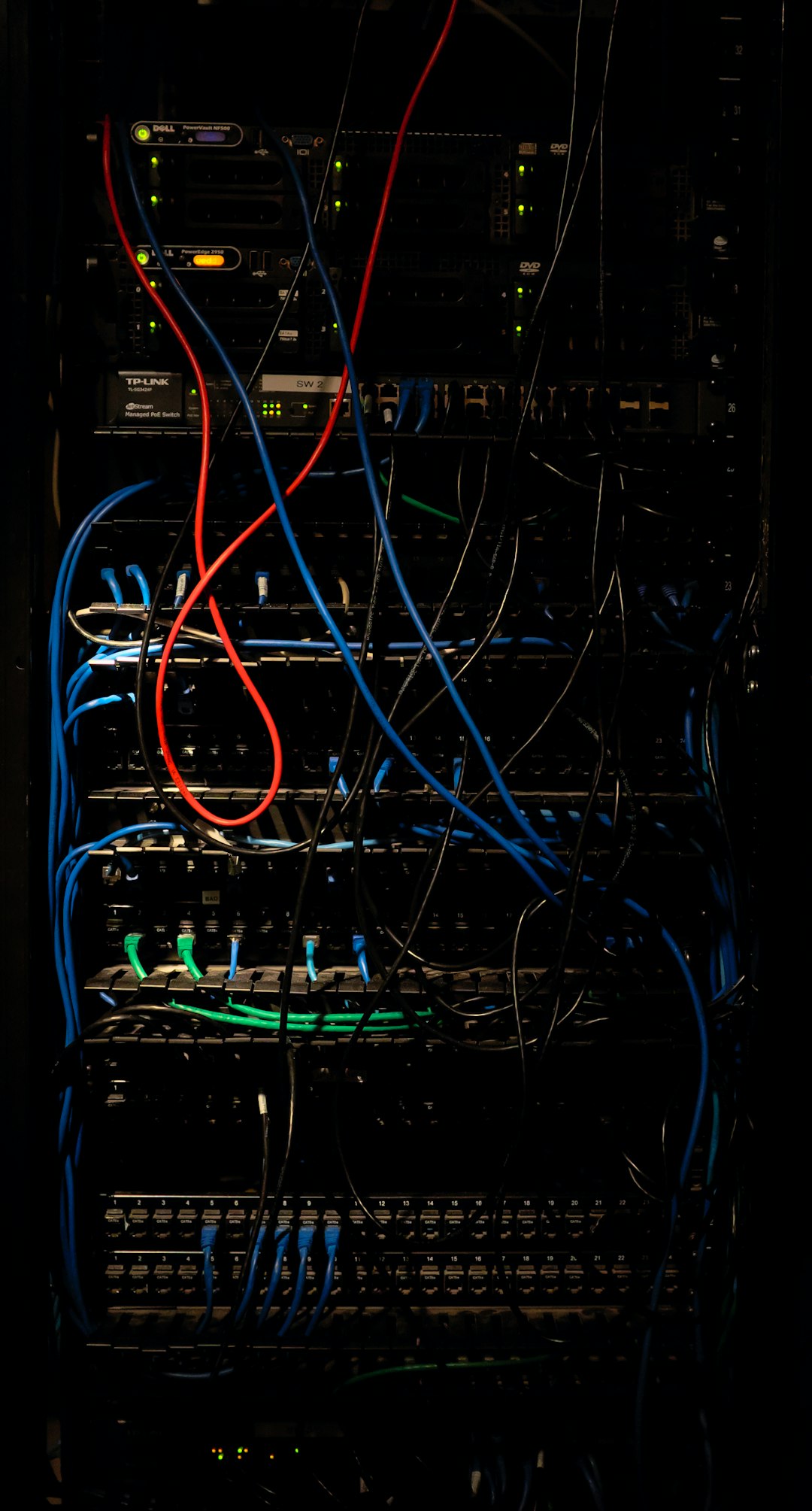
Managed Router and Managed Network Services
Managed router services shift daily network hardware tasks to Comcast or a managed service team. This may include configuration, updates, monitoring, alerts, and troubleshooting. For lean IT teams, this is a big relief.
It drives me crazy that some businesses still expect one IT generalist to manage phones, routers, WiFi, security, printers, and every “quick question” from 80 employees. Managed services can reduce that strain, especially across many sites.
These services are best for companies that want standard setups across locations. They also help when a business lacks in-house network engineers.
WiFi and Security Services
Enterprise WiFi is not just a password on a router. Businesses may need separate networks for staff, guests, devices, and contractors. A restaurant, for instance, may run guest WiFi, payment terminals, kitchen systems, and employee devices on separate segments.
Security services may include firewall management, threat filtering, endpoint protection, and network monitoring. Comcast also offers options aimed at blocking malicious sites and reducing exposure to common attacks. These tools do not replace a full security program, but they can close common gaps.
Business Communications Options: Voice, Collaboration, and Calling
Voice still matters. Customers call. Vendors call. Patients call. Field staff call. The difference is that phone systems now often live in the cloud instead of a back closet with blinking hardware.
Cloud Voice and Hosted PBX
Comcast Business VoiceEdge is a hosted voice option for companies that want calling features without owning a full PBX system. Users can get voicemail, call forwarding, auto attendants, hunt groups, mobile app access, and desktop calling features.
This works well for distributed teams. A sales manager can take business calls from a desk phone, laptop, or mobile app. A receptionist can route calls across offices. A service team can use call groups so customers are not stuck calling one person who is at lunch.
SIP Trunking
SIP trunking is better for businesses that already have an IP PBX and want internet-based voice connectivity. It can reduce the need for older phone lines and support more flexible call capacity. It is common in larger offices, contact centers, and companies with existing phone infrastructure.
PRI and Traditional Voice
Some organizations still use PRI or traditional voice services due to legacy systems, regulations, elevator lines, alarm systems, or older call center platforms. These setups are less modern, but they may still be necessary during a phased upgrade.

How to Compare the Options
The best choice depends on risk, size, budget, and app usage. Do not start with bandwidth alone. Start with business impact.
- If outages cost money fast: choose dedicated fiber, backup access, and SD WAN failover.
- If apps are mostly cloud-based: focus on reliable internet, traffic priority, and security filtering.
- If sites share sensitive data: consider Ethernet services or private networking designs.
- If IT staff is small: managed router, managed WiFi, and monitoring can save time.
- If calling is central to sales or service: use hosted voice, SIP trunking, or contact center features.
Example Scenarios
Retail chain: A retailer with 35 stores may use broadband at each store, fiber at headquarters, SD WAN for traffic control, and cloud voice for managers. Payment traffic gets priority. Guest WiFi stays separate. Backup links keep stores selling during an outage.
Healthcare group: A clinic network may need dedicated internet, private Ethernet between sites, secure WiFi, and reliable voice. Upload speed matters because imaging files and cloud health records can be large. Security controls also carry more weight.
Professional services firm: A law or accounting firm may choose dedicated internet, managed firewall services, cloud phones, and secure remote access. The focus is uptime, confidentiality, and smooth video meetings with clients.
Pros and Tradeoffs
Pros: Comcast can bundle many services under one provider. That can simplify billing, support, installation, and upgrades. Its broad network reach is useful for companies with many locations.
Tradeoffs: Availability varies by address. Pricing can be complex. Install timelines may depend on construction, permits, building access, or last-mile fiber. Expect to spend time confirming service levels, contract terms, support paths, and equipment ownership.
Final Recommendation
For most enterprise buyers, the smart path is a layered design. Use dedicated connectivity where uptime matters most. Add SD WAN and managed networking where multiple locations or cloud apps are involved. Use cloud voice or SIP trunking based on whether you want to replace or keep your phone system.
Comcast Enterprise Services are not one product. They are a menu of building blocks. Pick the blocks that protect revenue, reduce downtime, and make daily work less annoying for users and IT staff alike.