
Rail yards have become high-pressure operating environments where visibility, safety, asset utilization, and dwell time determine whether a network runs smoothly or falls behind. As freight volumes fluctuate and intermodal operations become more complex, rail operators, industrial shippers, ports, and terminal managers increasingly depend on rail yard management software platforms to coordinate movements, track equipment, schedule crews, and improve decision-making.
TLDR: The best rail yard management software platforms help operators reduce dwell time, improve railcar visibility, automate switching plans, and coordinate yard resources more efficiently. Leading options include solutions from Wabtec, Kaleris, Navis, Tideworks, Railinc, Trimble, and specialized logistics platforms serving industrial and intermodal yards. The right platform depends on yard size, integration needs, automation goals, and whether the operation is focused on railroad, terminal, port, or private industrial rail activity.
Why Rail Yard Management Software Matters
A rail yard is not simply a storage area for railcars. It is a dynamic operating hub where locomotives, railcars, containers, crews, inspection teams, and customer service requirements intersect. Without accurate information, yard managers may struggle with misplaced assets, inefficient switching moves, delayed departures, and poor communication between departments.
Rail yard management software provides a digital layer that connects yard inventory, track capacity, inbound and outbound trains, maintenance alerts, work orders, and operational priorities. In many cases, these platforms also integrate with transportation management systems, terminal operating systems, positive train control data, electronic data interchange, and customer portals.
The strongest platforms do more than show where equipment is located; they help operations teams decide what should happen next. This is especially important for yards handling high volumes of intermodal containers, bulk commodities, automotive freight, chemicals, energy products, or finished goods.

Key Features Found in Top Platforms
Although rail yard management systems vary by vendor and market segment, the leading platforms usually include several core capabilities. These features help distinguish basic tracking tools from comprehensive operational systems.
- Real-time asset visibility: Tracks railcars, locomotives, containers, chassis, trailers, and yard equipment across tracks and zones.
- Switching and move planning: Helps supervisors create optimized switching instructions and reduce unnecessary moves.
- Track inventory management: Shows which cars are on each track, where capacity is available, and which assets require attention.
- Inbound and outbound train planning: Supports train arrival preparation, blocking, classification, and departure sequencing.
- Inspection and maintenance workflows: Captures defects, bad-order information, repair status, and release documentation.
- Integration with enterprise systems: Connects with ERP, TMS, WMS, terminal operating systems, billing systems, and railroad data networks.
- Mobile access: Enables yard crews and inspectors to update information from tablets or rugged handheld devices.
- Analytics and reporting: Measures dwell time, cycle time, yard congestion, labor productivity, and asset utilization.
Top Rail Yard Management Software Platforms
1. Wabtec RailConnect and Yard Solutions
Wabtec is one of the most recognized technology providers in the rail industry, offering a broad portfolio that supports freight railroads, short lines, industrial shippers, and rail logistics operations. Its RailConnect ecosystem and related yard management capabilities help organizations manage railcar movements, billing, interchange, train operations, and operational reporting.
Wabtec’s strength lies in its deep connection to railroad operations and its ability to support complex rail workflows. For organizations that need a platform aligned with established rail practices, interchange requirements, and operational compliance, Wabtec is often considered a serious option.
Best suited for: freight railroads, short line railroads, industrial rail operators, and organizations needing robust rail-specific functionality.
2. Kaleris Yard Management System
Kaleris provides yard management and execution software across logistics, marine terminals, rail, and intermodal environments. Its platform focuses on visibility, orchestration, and automation, making it useful for organizations that need to coordinate complex freight movements across multiple modes.
Kaleris solutions can help teams manage gate activity, yard inventory, equipment moves, rail loading and unloading, and appointment coordination. Its value is particularly strong where rail activity is part of a broader supply chain operation involving trucks, containers, warehouses, and distribution centers.
Best suited for: intermodal operators, distribution yards, manufacturing facilities, ports, and logistics hubs with mixed transportation modes.
3. Navis Terminal Operating Solutions
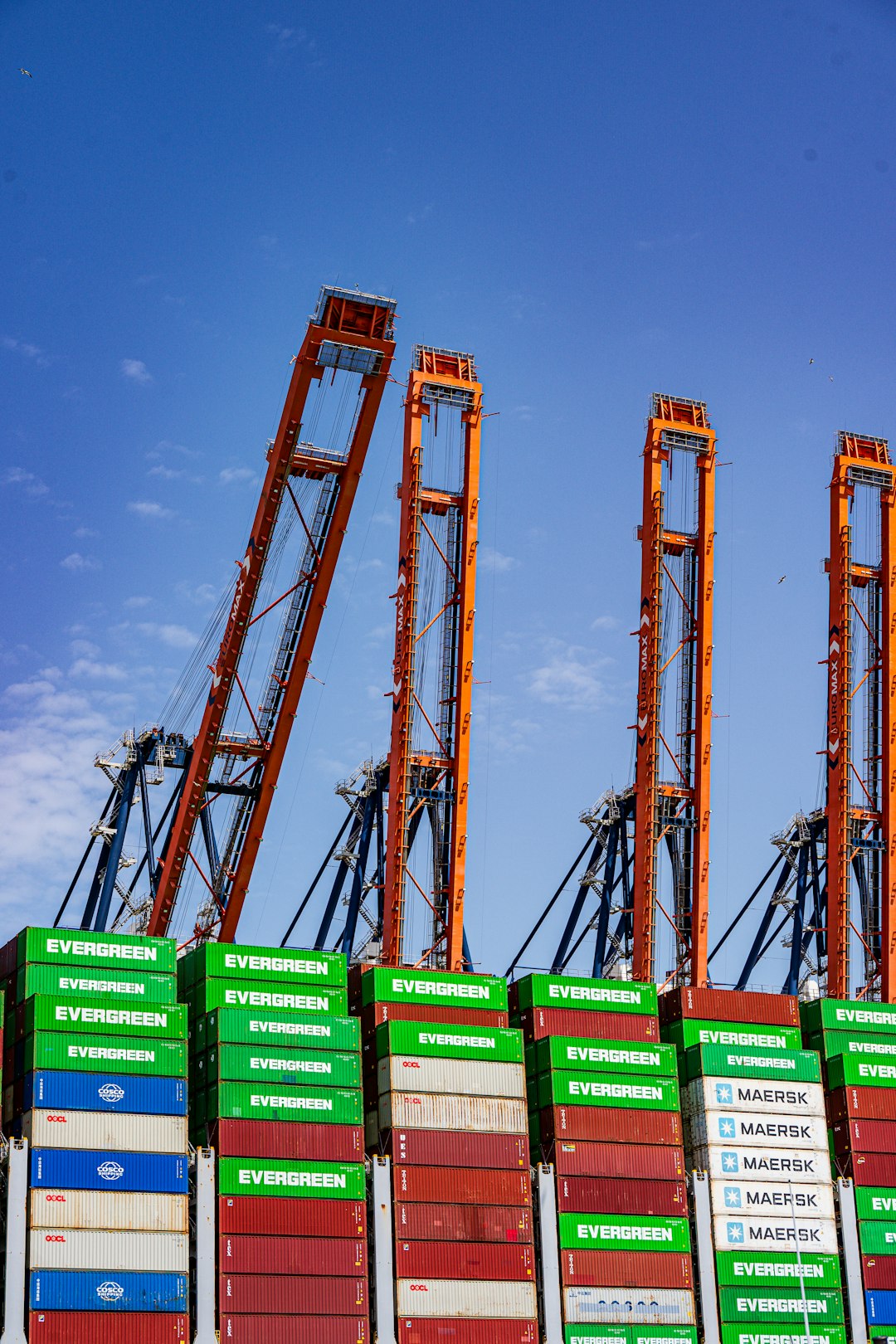
Navis, known widely for terminal operating systems, is often associated with container terminals and port environments. While not limited to rail yards alone, Navis platforms are relevant where rail is integrated into marine terminal and intermodal terminal workflows.
For terminals that move containers between vessels, stacks, trucks, and rail, a system like Navis can help optimize container handling, rail planning, equipment dispatching, and terminal visibility. Its strongest use case is not a traditional classification yard, but rather a high-volume container terminal where rail is a critical transfer mode.
Best suited for: ports, container terminals, intermodal terminals, and large logistics gateways.
4. Tideworks Technology
Tideworks Technology offers terminal operating systems designed for marine and intermodal terminals. Its solutions support planning, equipment control, gate processing, billing, and rail operations within terminal environments.
Tideworks is frequently considered by terminal operators that need strong rail planning features alongside container yard management. The platform supports the coordination of rail-mounted operations, intermodal transfers, and terminal workflows where timing and equipment utilization are essential.
Best suited for: intermodal facilities, port rail operations, container yards, and terminal operators seeking integrated planning tools.
5. Railinc RailSight and Data Services
Railinc provides critical data and information services used throughout the North American freight rail industry. Its RailSight tools and related data services support rail shipment visibility, equipment tracing, event reporting, and data exchange among railroads and shippers.
Railinc is not always used as a complete yard execution system in the same way as a dedicated yard management platform, but it plays an important role in rail visibility. Many organizations depend on Railinc data to understand railcar location, interchange activity, equipment status, and network events.
Best suited for: shippers, railroads, logistics providers, and companies needing reliable rail visibility and industry data connectivity.
6. Trimble Rail Asset and Transportation Solutions
Trimble offers transportation and asset management technologies that can support rail logistics, fleet visibility, maintenance planning, and operational analytics. Its broader transportation software portfolio is useful for organizations managing complex freight networks that may include rail, trucking, and intermodal movements.
Trimble’s strength is its emphasis on connected transportation data and operational intelligence. For companies that need to manage assets across multiple transportation modes, Trimble can serve as part of a larger visibility and planning environment.
Best suited for: logistics providers, asset managers, fleet operators, and enterprises coordinating rail with other transportation modes.
7. Bourque Logistics Rail Yard and Shipment Management Tools
Bourque Logistics offers rail shipment management, fleet management, and yard-focused solutions for shippers and industrial operators. Its tools often serve companies that rely heavily on railcars to move bulk commodities, chemicals, plastics, energy products, and manufactured goods.
The platform can help organizations improve railcar visibility, manage inventory, coordinate plant switching, and track shipment execution. For private industrial yards, Bourque Logistics is especially relevant because it focuses on the shipper’s perspective, not only the railroad’s perspective.
Best suited for: industrial shippers, chemical producers, energy companies, manufacturers, and private rail yard operators.
8. IntelliTrans Global Supply Chain Visibility Solutions
IntelliTrans provides supply chain visibility and freight management solutions with strong relevance for rail shippers. Its platform helps companies monitor shipments, manage exceptions, analyze carrier performance, and gain better control over freight execution.
While IntelliTrans is broader than yard management alone, it can be valuable for companies whose rail yard decisions depend on upstream and downstream shipment visibility. When railcars are delayed, misrouted, or dwelling too long, visibility tools can help logistics teams respond faster.
Best suited for: enterprise shippers, bulk commodity companies, logistics teams, and organizations needing shipment visibility across carriers.
How to Choose the Right Platform
Selecting a rail yard management platform requires more than comparing feature lists. A system that works well for a marine terminal may not fit a short line railroad, and a platform designed for railroad interchange may not be ideal for a private industrial plant.
Decision-makers usually evaluate the following factors:
- Operational environment: The yard may be a classification yard, industrial plant yard, intermodal terminal, port terminal, transload facility, or short line yard.
- Integration requirements: The software should connect with existing ERP, TMS, EDI, billing, maintenance, and customer systems.
- Real-time accuracy: Yard data must reflect actual conditions, not outdated manual updates.
- Scalability: The platform should support future volume growth, additional facilities, and more complex workflows.
- User adoption: Yard crews, dispatchers, inspectors, and customer service teams need interfaces that fit daily work habits.
- Analytics depth: Strong reporting helps management identify dwell patterns, bottlenecks, congestion, and service failures.
The best choice is usually the platform that fits the yard’s operating model rather than the platform with the longest feature list.
Benefits of Rail Yard Management Software
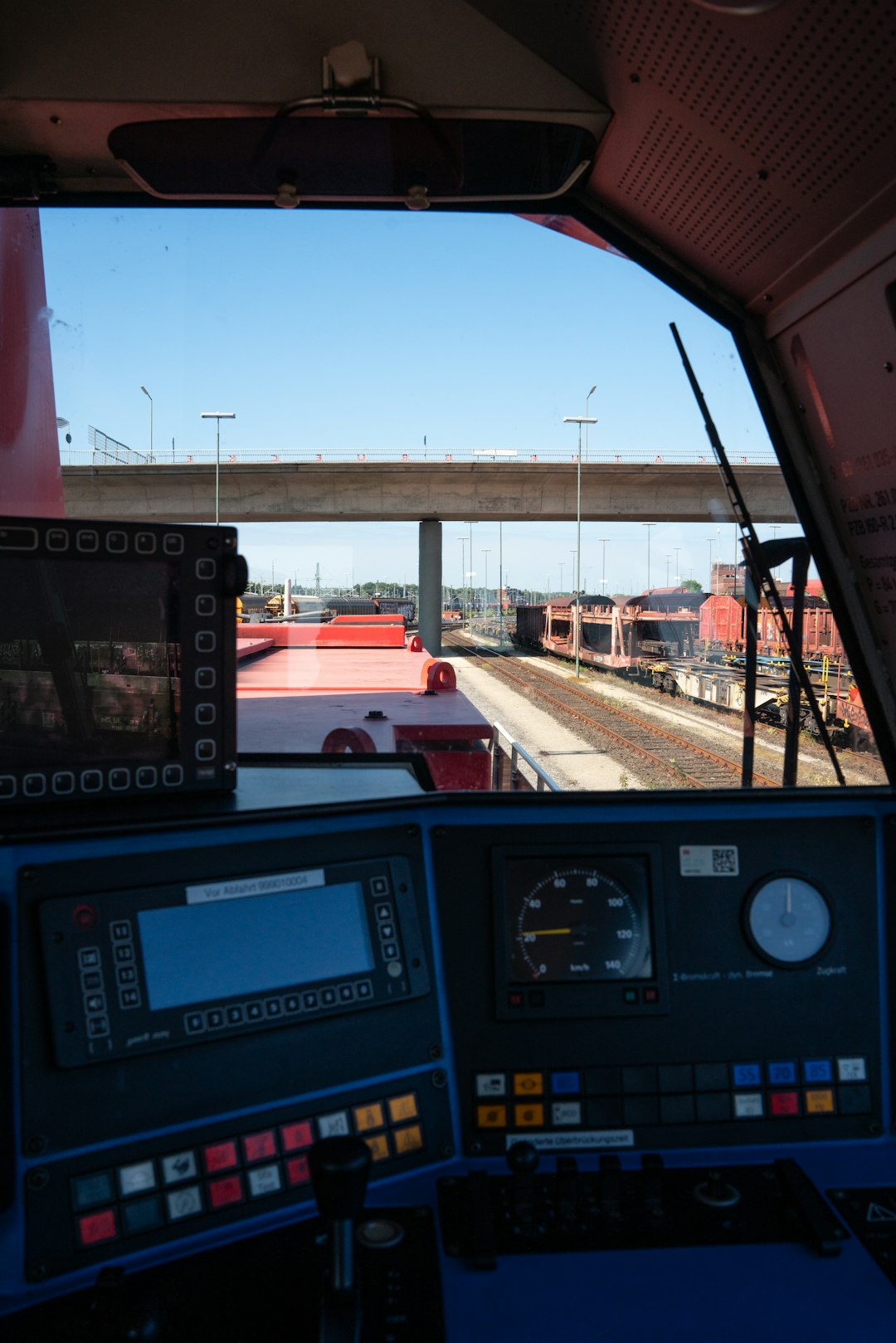
When implemented effectively, rail yard management software can deliver measurable operational improvements. Reduced dwell time is often one of the most important benefits, because every unnecessary hour that a railcar sits idle can affect asset utilization and customer satisfaction.
Other benefits include improved safety through better coordination, fewer manual errors, faster inspections, more accurate billing, and better communication between office teams and field crews. Managers also gain a clearer view of performance trends, making it easier to justify process changes and capital investments.
For large operations, software can support advanced optimization by recommending move sequences, identifying track conflicts, and forecasting congestion. For smaller facilities, the biggest improvement may be replacing spreadsheets, radios, and paper notes with one shared source of truth.
Trends Shaping Rail Yard Management
The market is moving toward greater automation and predictive intelligence. More platforms are incorporating IoT devices, GPS data, automated equipment identification, machine learning, and mobile workflows. These technologies help reduce dependence on manual reporting and improve the speed of operational decisions.
Another major trend is the integration of rail yard systems with broader supply chain visibility platforms. Customers increasingly want to know not only where a shipment is, but when it will arrive, whether it is at risk, and what action is being taken to prevent delays.
Sustainability is also becoming more important. By reducing unnecessary switching, minimizing idling, and improving equipment utilization, rail yard software can contribute to lower emissions and more efficient freight movement.
Final Thoughts
Rail yard management software has become essential for organizations that need reliable visibility, efficient switching, and better control over rail assets. Platforms from Wabtec, Kaleris, Navis, Tideworks, Railinc, Trimble, Bourque Logistics, and IntelliTrans each serve different parts of the rail and intermodal ecosystem.
The right platform depends on the nature of the yard, the complexity of operations, and the level of integration required. A private industrial yard may prioritize plant switching and shipment visibility, while a port terminal may need container rail planning and equipment orchestration. In every case, the most effective systems help teams move from reactive problem-solving to proactive operational control.
FAQ
What is rail yard management software?
Rail yard management software is a digital platform used to track railcars, manage yard inventory, coordinate switching moves, plan inbound and outbound trains, and improve visibility across rail operations.
Who uses rail yard management software?
It is used by freight railroads, short line railroads, industrial shippers, intermodal terminals, ports, transload facilities, logistics providers, and private plant rail yards.
What is the most important feature in a rail yard management platform?
Real-time visibility is often the most important feature because accurate yard inventory supports better switching, planning, maintenance, and customer communication.
Can rail yard software reduce dwell time?
Yes. By improving move planning, asset visibility, track utilization, and exception management, rail yard software can help reduce unnecessary dwell and improve equipment productivity.
Is rail yard management software only for large railroads?
No. Smaller industrial yards and short line operators can also benefit, especially when replacing manual spreadsheets, paper lists, and radio-based coordination with a centralized system.
How does rail yard software integrate with other systems?
Most modern platforms can integrate with ERP systems, transportation management systems, warehouse systems, terminal operating systems, billing platforms, EDI networks, and rail industry data services.
Which platform is best for intermodal terminals?
Platforms such as Navis, Tideworks, and Kaleris are commonly relevant for intermodal and terminal environments, depending on the facility’s container, rail, gate, and equipment planning needs.
How should an organization choose a rail yard management platform?
An organization should evaluate its yard type, operational complexity, integration needs, reporting requirements, scalability, and ease of use before selecting a platform.